A Serene Vision of Ukraine: The Life and Art of Baruch Zvi Ring
Baruch Zvi Ring, born in Kyiv, Ukraine, in 1890, remains a quietly compelling figure within the landscape of early 20th-century watercolor painting. While biographical details surrounding his life are somewhat scarce, the enduring beauty and contemplative nature of his work speak volumes about his artistic sensibility and deep connection to his homeland. Ring’s art offers a poignant glimpse into a world on the cusp of immense change, capturing the serene essence of Ukrainian cityscapes and rural scenes before the tumultuous events that would reshape the region. His paintings are not merely depictions of place; they are imbued with an ethereal quality, reflecting a deeply personal and spiritual response to the landscapes he so lovingly rendered.
Early Life and Artistic Development
Born into a Jewish family in Kyiv, Ring’s early life was undoubtedly shaped by the rich cultural tapestry of the city—a vibrant center of both Eastern European tradition and burgeoning modernity. Though specific details regarding his formal artistic training remain elusive, it is clear that he dedicated himself to mastering the delicate art of watercolor. This choice of medium itself speaks to a particular temperament; watercolor demands precision, sensitivity, and an intimate understanding of light and atmosphere. Unlike the bolder strokes of oil painting, watercolor allows for a fluidity and transparency that perfectly suited Ring’s vision. His early works likely focused on capturing the everyday life of Kyiv—the bustling markets, quiet streets, and the Dnieper River winding through the city. These formative experiences instilled in him a deep appreciation for the subtle nuances of light and shadow, which would become hallmarks of his mature style.
A Contemplative Palette: Style and Technique
Ring’s watercolors are immediately recognizable for their soft, pastel hues and ethereal quality. He eschewed dramatic contrasts, instead favoring a harmonious blend of colors that evoke a sense of tranquility and contemplation. His brushwork is delicate and precise, yet never overly detailed; he prioritized capturing the *feeling* of a place rather than its literal representation. The influence of Impressionism can be subtly detected in his handling of light and atmosphere, but Ring’s work possesses a unique character—a quiet introspection that sets it apart. He often depicted scenes bathed in soft morning or evening light, creating an almost dreamlike quality. This technique wasn't simply about aesthetic preference; it was a way to convey the emotional resonance of the Ukrainian landscape, imbuing his paintings with a sense of nostalgia and longing.
Themes and Symbolism
The primary subject matter of Ring’s work revolves around Ukrainian landscapes and cityscapes. He frequently depicted scenes along the Dnieper River, capturing the river's changing moods and its importance to the life of Kyiv. His paintings often feature traditional Ukrainian architecture—wooden churches with their distinctive onion domes, quaint cottages nestled amongst fields, and bustling marketplaces filled with local life. However, Ring’s work is not simply a documentary record of these scenes; it is imbued with a deeper symbolism. The river itself can be interpreted as a metaphor for the passage of time and the enduring spirit of Ukraine. The churches represent faith and tradition, while the cottages symbolize the simple beauty of rural life. His paintings also offer a subtle commentary on the Jewish experience in Ukraine—a community deeply rooted in the land but often facing persecution and displacement.
Legacy and Historical Significance
Baruch Zvi Ring passed away in 1962, leaving behind a body of work that continues to resonate with audiences today. While his paintings were not widely exhibited during his lifetime, they have gained increasing recognition in recent years as scholars and art enthusiasts rediscover the beauty and historical significance of his oeuvre. His work provides a valuable glimpse into Ukrainian life in the early 20th century—a period marked by both cultural flourishing and political upheaval. Ring’s serene watercolors stand as a testament to the enduring power of art to capture the essence of place and convey the emotional resonance of human experience. He is remembered not only for his technical skill but also for his ability to imbue his paintings with a sense of quiet dignity and profound spiritual depth, offering a poignant legacy of a Jewish artist deeply connected to his Ukrainian homeland. His work serves as a reminder of the beauty that can be found in even the most challenging times.
Редакцией WahooArt.com
Тест по искусству
В каждом вопросе только один правильный ответ.
Вопрос 1:
Vincent van Gogh primarily worked during which decade?
Вопрос 2:
Which artistic movement heavily influenced Van Gogh's style after his time in Paris?
Вопрос 3:
What was a key subject matter for Van Gogh during his time in the Netherlands?
Вопрос 4:
Which brother provided significant financial and emotional support to Vincent van Gogh?
Вопрос 5:
Van Gogh is best known for his use of which technique?
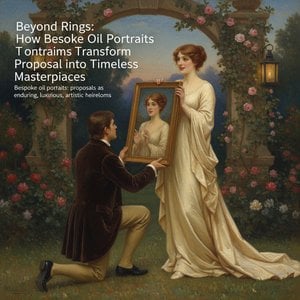
Elevate engagement storytelling with bespoke art. Discover how custom oil portraits transform proposals into unforgettable, heirloom-quality experiences. A guide for wedding planners seeking luxury, romantic alternatives to traditional rings that create lasting legacies.
Discover the exquisite intersection of science and fine art. Explore the history of scientific illustration, from botanical watercolor masters to nature's intricate geometry, through an expert lens of art history and technical precision.
Transform your cherished photos into breathtaking watercolor masterpieces with WahooArt. Experience the perfect fusion of AI innovation and hand-painted artistry to create timeless, bespoke legacy pieces for your home. Discover premium quality and a 100% satisfaction guarantee.