Примерить в интерьере Примерить в AR Заказать репродукцию ручной работы Перейти к цифровым изображениям Отправить
Подробнее Руководство Добавить в избранное Скачать Похожие объекты Рентгенография Слайд-шоу Статистика

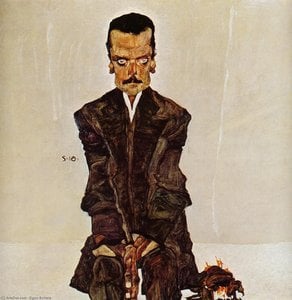
Поцелуй

Эттинг Эгона Шиле «Поцелуй» – завораживающее изображение любви и страсти. Погрузитесь в мир экспрессионизма, ощутите напряжение линий и глубокие эмоции великого художника.

Эгон Шиле – экспрессионист, чьи работы полны тревоги и страсти. Его портреты, автопортреты и символические пейзажи исследуют границы человеческого существования. Откройте для себя мир Шилля!

Жикле / Арт-принты

Печать (жикле) или холст музейного качества с быстрыми сроками изготовления и широким выбором вариантов отделки. ( Заказать репродукцию ручной работы Перейти к цифровым изображениям)

Corner sample of the P118B picture frame: формованный полистирол, 5 cm wide and 3 cm thick
P118B $10
Corner sample of the P118H picture frame: формованный полистирол, 5 cm wide and 3 cm thick
P118H $10
Corner sample of the P118W picture frame: формованный полистирол, 5 cm wide and 3 cm thick
P118W $10
Corner sample of the P438Z picture frame: формованный полистирол, 5.5 cm wide and 3.5 cm thick
P438Z $10
Corner sample of the P508JH picture frame: формованный полистирол, 7 cm wide and 3.5 cm thick
P508JH $12
Corner sample of the P508YH picture frame: формованный полистирол, 7 cm wide and 3.5 cm thick
P508YH $12
Corner sample of the P805H picture frame: формованный полистирол, 5 cm wide and 3.5 cm thick
P805H $10
Corner sample of the P805Z picture frame: формованный полистирол, 5 cm wide and 3.5 cm thick
P805Z $10
Corner sample of the P919BZ picture frame: формованный полистирол, 7 cm wide and 3.5 cm thick
P919BZ $10
Corner sample of the P919G picture frame: формованный полистирол, 7 cm wide and 3.5 cm thick
P919G $10
Corner sample of the P919XJ picture frame: формованный полистирол, 7 cm wide and 3.5 cm thick
P919XJ $10
Corner sample of the P959ZH picture frame: формованный полистирол, 5 cm wide and 3 cm thick
P959ZH $10
Corner sample of the P968JZ picture frame: формованный полистирол, 6 cm wide and 4 cm thick
P968JZ $12
Corner sample of the W106C picture frame: массив дерева, 5 cm wide and 3 cm thick
W106C $8
Corner sample of the W218G picture frame: массив дерева, 5 cm wide and 3 cm thick
W218G $10
Corner sample of the W218JH picture frame: массив дерева, 5 cm wide and 3 cm thick
W218JH $8
Corner sample of the W218Y picture frame: массив дерева, 5 cm wide and 3 cm thick
W218Y $10
Corner sample of the W307PJ picture frame: массив дерева, 6 cm wide and 3 cm thick
W307PJ $10
Corner sample of the W316G picture frame: массив дерева, 6 cm wide and 3 cm thick
W316G $10
Corner sample of the W316PJ picture frame: массив дерева, 6 cm wide and 3 cm thick
W316PJ $8
Corner sample of the W316Y picture frame: массив дерева, 6 cm wide and 3 cm thick
W316Y $10
Corner sample of the W398PJ picture frame: массив дерева, 5 cm wide and 3 cm thick
W398PJ $8
Corner sample of the W4111J picture frame: массив дерева, 6.5 cm wide and 3.5 cm thick
W4111J $10
Corner sample of the W500HY picture frame: массив дерева, 7 cm wide and 5 cm thick
W500HY $15
Corner sample of the W500JH picture frame: массив дерева, 7 cm wide and 5 cm thick
W500JH $15
Corner sample of the W692G picture frame: массив дерева, 8 cm wide and 4 cm thick
W692G $12
Corner sample of the W849H picture frame: массив дерева, 5 cm wide and 3 cm thick
W849H $8
Corner sample of the W940BG picture frame: массив дерева, 7.5 cm wide and 4.5 cm thick
W940BG $15
Corner sample of the W953PJ picture frame: массив дерева, 6 cm wide and 3.5 cm thick
W953PJ $8

Стандартный размер
индивидуальный заказ
CM
INCH

Выберите один из наших стандартных размеров, соответствующих оригинальным пропорциям произведения искусства.

ширина
высота

Введите необходимую ширину и высоту, чтобы репродукция подошла к вашей раме или стене. При печати изображение можно только уменьшить, но нельзя увеличить больше оригинала, поэтому при выборе другого формата часть изображения может быть обрезана. Перед печатью мы отправим вам цифровой макет на утверждение. Изображение на этой странице не отображает реальную обрезку — ее можно увидеть только на макете.

Доставка по всему миру () за 2 недели вместо стандартных 4–5 недель. (26 Октябрь)

Бесплатная экспресс-доставка по всему миру
Высококачественный льняной холст
Полное страхование при транспортировке
Гарантия возврата таможенных пошлин
Гарантия точного цветового соответствия
100-дневный период возврата (только при обнаружении дефектов)
Гарантия возврата 100% средств
Скидка при заказе нескольких работ

Итоговая стоимость

$ 68

Поцелуй

Жикле / Арт-принты

Размер репродукции

-

Итоговая стоимость

$ 68

Краткая справка

  • Artist: Эгон Шиле
  • Medium: Масло и бумага
  • Location: Музей современного искусства, Нью-Йорк
  • Artistic style: Экспрессивный стиль
  • Influences:
    • Шиле
    • Климт
  • Dimensions: 26 x 38 см

Викторина по искусству

В каждом вопросе только один правильный ответ.

Вопрос 1:
Какая техника преобладает в рисунке «Поцелуй» Эгона Шиле?
Вопрос 2:
В каком году был создан рисунок «Поцелуй» Эгона Шиле?
Вопрос 3:
Какие фигуры видны на заднем плане рисунка «Поцелуй»?
Вопрос 4:
Какое настроение преобладает в рисунке «Поцелуй»?
Вопрос 5:
Какой стиль живописи наиболее характерен для творчества Эгона Шиле?

Эгонов Шилле: Погружение в Тьму и Страсть

Картина "Поцелуй" (Le Baiser) Эгона Шилле – это не просто изображение двух фигур, обнимающихся в объятиях. Это глубоко личное и тревожное исследование человеческой природы, пронизанное ощущением хрупкости, страсти и неизбежной смерти. Созданная в период творческого расцвета художника, но также и в преддверии его трагической кончины, она является ярким примером экспрессионизма Шилле – стиля, характеризующегося искаженными формами, интенсивной цветовой гаммой и глубокой психологической проработкой. В отличие от более светлых и оптимистичных работ Густава Климта, "Поцелуй" Шилле окутан мраком и ощущением надвигающейся опасности, что отражает его собственное внутреннее состояние.

Шилле был художником, чье творчество было тесно связано с личными трагедиями. Смерть отца от сыпи, болезнью, которая разрушила его жизнь, и смерть сестры – все это оставило глубокий след в его душе и нашло отражение в его работах. "Поцелуй" не является романтическим идеалом любви; скорее, это изображение двух существ, находящихся на грани, готовых погрузиться в темные глубины страсти и, возможно, саморазрушения. Фигуры изображены в полумраке, их тела искажены и деформированы, что создает ощущение тревоги и напряжения. Лица героев скрыты, акцент делается на объятиях и жестах, которые передают интенсивность чувств.

Техника и Стиль: Искажение Реальности

Шилле был мастером линии – он использовал ее не для создания реалистичных изображений, а для передачи эмоций и ощущений. Его работы отличаются резкими, динамичными линиями, которые создают ощущение движения и тревоги. В "Поцелюе" эти черты особенно заметны: тела фигур искажены, линии подчеркивают их хрупкость и уязвимость. Художник использовал технику карандаша и уголь, что придало картине мрачный, почти монохромный вид. Отсутствие ярких цветов усиливает ощущение тревоги и безысходности.

Шилле был одним из первых художников, кто осмелился изображать человеческое тело в таком откровенном и провокационном виде. Его работы часто вызывали споры и критику, но они также оказали огромное влияние на развитие искусства XX века. Его экспрессивный стиль, его внимание к деталям и его глубокое понимание человеческой психологии сделали его одним из самых значительных художников своего времени.

Символизм и Интерпретация

Интерпретации "Поцелуя" Шилле разнообразны. Некоторые видят в нем изображение страстной любви, другие – символ смерти и самоуничтожения. Некоторые исследователи полагают, что картина отражает внутреннюю борьбу художника с собственной смертью и его страхом перед неизбежным концом. Искаженные тела фигур могут символизировать хрупкость человеческой жизни и ее уязвимость перед лицом судьбы.

Особого внимания заслуживает поза героев: мужчина находится на левой стороне, а женщина – на правой, что создает ощущение дисбаланса и напряжения. Их объятия кажутся не столько символом любви, сколько попыткой удержаться друг от друга перед лицом надвигающейся катастрофы. В целом, "Поцелуй" Шилле – это сложная и многослойная картина, которая требует внимательного изучения и интерпретации.

Воспроизведение: Ощутите Эмоциональную Глубину

WahooArt предлагает высококачественные репродукции "Поцелуя" Эгона Шилле, выполненные вручную нашими художниками. Мы используем только лучшие материалы и технологии, чтобы обеспечить максимальное соответствие оригиналу. Благодаря нашей репродукции вы сможете насладиться красотой и глубиной этой знаменитой картины в своем доме или офисе. Это прекрасный способ прикоснуться к миру экспрессионизма Шилле и ощутить всю эмоциональную силу его творчества.

Закажите свою репродукцию "Поцелуя" сегодня и позвольте себе погрузиться в мир страсти, смерти и человеческой души!

Вопросы и ответы

Можно ли предварительно просмотреть «Поцелуй», Шиле перед заказом?

Чтобы предварительно просмотреть репродукцию «Поцелуй», Шиле, откройте страницу Предпросмотр произведения.

Кому стоит подарить «Поцелуй», Шиле?

«Поцелуй» — отличный вариант подарка для Свадьба.

Какая палитра и преобладающий цвет определяют "Поцелуй"?

В произведении «Поцелуй» преобладает Монохромная палитра, в которой доминирует Серо-бежевый (#dfd0c1).


Биография художника

A Life Forged in Expression

Egon Schiele, born in Tulln an der Donau in 1890 – a town nestled amidst the rolling hills and vineyards of Austria – embarked on a life that was both intensely creative and profoundly marked by personal tragedy. His early years were shadowed by illness and loss; his father, Adolf Eugen Schiele, succumbed to syphilis when Egon was just fourteen, a devastating event that would indelibly shape the artist’s perspective and fuel an enduring preoccupation with mortality and the fragility of human existence. Raised initially by his mother and later under the somewhat controlling guardianship of his uncle Leopold Czihaczek, Schiele's childhood lacked the stability often associated with conventional upbringing, yet it fostered within him a remarkable independence of spirit – a characteristic that would become central to his artistic approach. Even as a young boy, he displayed an undeniable fascination with trains—a motif that subtly and repeatedly reappeared in his paintings, symbolizing both movement and perhaps, the relentless passage of time. Alongside this burgeoning interest in trains, Schiele cultivated a talent for drawing, though it was initially met with reservations from his father who viewed artistic pursuits as a distraction from more practical endeavors. The untimely death of his sister Elvira further deepened the emotional landscape of his youth, contributing to a sense of vulnerability and loss that would permeate much of his work. These formative experiences—a confluence of illness, grief, and familial constraints—instilled within Schiele a profound sensitivity and an emotional rawness that became defining features of his artistic expression, driving him to grapple with the fundamental questions of life, death, and the human condition.

The Crucible of Vienna: Artistic Development

Schiele’s formal artistic training commenced at the Kunstgewerbeschule (School of Arts and Crafts) in Vienna, but he quickly found himself stifled by its conservative curriculum and adherence to traditional methods. Seeking a more liberating environment, he transferred to the Akademie der bildenden Künste (Academy of Fine Arts), only to discover that even this institution failed to satisfy his artistic aspirations. The rigid academic traditions and restrictive approach left him feeling disillusioned, leading him to abandon formal training altogether in favor of forging his own path—a bold decision that underscored his unwavering conviction in his artistic vision. Crucially, Schiele’s early years were profoundly influenced by the work of Gustav Klimt, a celebrated figure of Viennese Secessionism. He admired Klimt's distinctive decorative style and his exploration of symbolism, even receiving mentorship from the established artist. However, Schiele soon diverged significantly from Klimt’s aesthetic, developing a uniquely personal style characterized by its stark honesty, psychological intensity, and unflinching portrayal of human vulnerability. This divergence was further solidified through his involvement in the *Neues Wiener Kunstgruppe* (New Viennese Art Group), an avant-garde collective that challenged prevailing artistic norms and embraced innovative approaches to artmaking. The group, comprised of artists like Anton Faistauer and Hans Ehrlich, provided a space for Schiele to experiment with new techniques and explore unconventional themes, solidifying his position as a leading figure in the burgeoning modern art scene of Vienna.

Raw Emotion and Unflinching Truth

Egon Schiele’s art is immediately recognizable for its raw honesty and psychological depth. He fearlessly confronted subjects often considered taboo – sexuality, death, anxiety, isolation – with an unflinching gaze. His distinctive style features elongated figures, contorted poses, and expressive lines that convey a sense of unease and emotional intensity. The human form, particularly the nude, became his primary subject, not as an object of idealized beauty but as a vehicle for exploring the complexities of human experience. Self-portraits constitute a significant portion of his oeuvre, offering intimate glimpses into his inner world—a world often marked by loneliness and self-doubt. He didn’t shy away from depicting himself in unflattering or vulnerable poses, revealing a profound level of self-awareness and introspection. Beyond self-portraiture, Schiele created numerous portraits of others, capturing their likenesses with an unsettling realism that seemed to penetrate beneath the surface. His landscapes, while less central to his work than his figurative paintings, demonstrate his mastery of form and color, often reflecting the same emotional intensity as his portraits. Recurring motifs like the *Physalis* plant – symbolizing death and transience with its delicate, papery husk – further underscore this preoccupation with mortality. The use of line is particularly striking in Schiele’s work; it's not merely a tool for defining shape but an expressive force that conveys emotion and psychological tension.

A Legacy Cut Short: Achievements & Significance

Despite facing censorship and legal challenges—including a brief imprisonment for allegedly corrupting minors with his art—Schiele gained recognition within Vienna’s avant-garde circles. His work challenged the conventions of the time, provoking both admiration and outrage. By the time of his untimely death during the Spanish flu pandemic in 1918 at the age of twenty-eight, he had established himself as a leading figure in Austrian Expressionism. Significant works such as *Self-Portrait with Physalis*, *Couple Embracing*, and *Field Landscape (Kreuzberg near Krumau)* stand as testaments to his artistic genius. His influence on subsequent generations of artists is undeniable, particularly those interested in exploring psychological themes and challenging conventional artistic norms. Schiele’s bold approach to form and subject matter continues to resonate with audiences today, making him one of the most important and influential figures in early 20th-century art. His paintings are now held in major museum collections worldwide, including the Leopold Museum in Vienna and the Egon Schiele Art Centrum in Český Krumlov, ensuring his artistic legacy endures. He left behind a body of work that is not merely aesthetically compelling but profoundly human—a testament to the power of art to confront the complexities of existence with honesty, courage, and unwavering vision.
  • Key Themes: Mortality, sexuality, isolation, psychological turmoil.
  • Influences: Gustav Klimt, Viennese Secession, personal trauma.
  • Style Characteristics: Elongated figures, contorted poses, expressive lines, raw emotion.
Шиле

Шиле

1890 - 1918 , Австрия

Краткая справка

  • Artistic Movement Or Style: Экспрессионизм
  • Artists Or Movements Influenced By This Artist: ['Экспрессионизм']
  • Artists Who Influenced This Artist: ['Густав Климт']
  • Date Of Birth: 1890
  • Date Of Death: 1918
  • Full Name: Egon Leo Adolf Ludwig Schiele
  • Nationality: Австриец
  • Notable Artworks:
    • Автопортрет с физиалисом
    • Пара обнимаются
    • Полевая панорама (Крُمáу)
  • Place Of Birth: Тюльн, Австрия
Откройте для себя произведения искусства, распределенные по темам, стилям и характеристикам.