x
ПредпросмотрПредпросмотр Предпросмотр в ARПредпросмотр в AR Купить принт Купить принтКупить картину ручной работы Купить картину ручной работы ПоделитьсяПоделиться
Детали произведенияДетали произведения Добавить в избранное Добавить в избранное СкачатьСкачать Похожие работыПохожие работы РентгенографияРентгенография Слайд-шоуСлайд-шоу

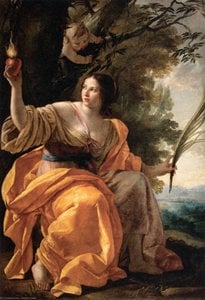
Крестущение

Французский барокко: Монументальное полотно Симона Вюэ передает глубокую религиозную эмоцию и драматизм эпохи Людовика XIII, вдохновленное итальянским искусством Ренессанса.

Откройте для себя жизнь и творчество Симона Вуэ (1590–1649), ключевой фигуры французской живописи эпохи барокко, который принес итальянские стили и сформировал искусство XVII века!

Приобретите цифровое изображение высокого разрешения в улучшенном качестве, которое значительно превосходит онлайн-превью.

Каждый файл тщательно подготавливается нашими специалистами с использованием передовых инструментов и экспертной ручной ретуши. Мы гарантируем исключительную четкость, точную цветопередачу и детальную проработку каждого изображения.

Финальный файл доставляется по электронной почте в течение 72 часов и оптимизирован для немедленного использования в профессиональной среде, при верстке и печати. Это тот же уровень качества, которому доверяют ведущие дизайнерские студии, издательства и галереи.

Цифровое изображение

Скачайте файл высокого разрешения для личного использования, печати и творческих проектов. (Купить принт Купить принтКупить картину ручной работы Купить картину ручной работы)

Итоговая стоимость

$ 24,90

Включено в каждый заказ цифровых изображений

Гарантия экспертной цифровой доставки

Выбирая WahooArt.com, вы получаете не просто изображение — вы приобретаете профессионально обработанное цифровое произведение искусства, созданное с безупречной точностью и под защитой гарантии качества. Вот всё, что автоматически входит в ваш заказ:

shipping_icon
Мгновенная доставка по e-mail

Ваш цифровой файл в высоком разрешении будет отправлен вам по электронной почте в течение 72 часов после оформления заказа — и сразу станет доступен для использования.

canvas_icon
Цифровой файл с ИИ-улучшением

Ваше произведение искусства проходит профессиональную оптимизацию с использованием передовых инструментов ИИ и ручной обработки, что гарантирует максимальную детализацию, четкость и точность цветопередачи.

insurance_icon
Бессрочная бесплатная повторная доставка

Случайно удалили или потеряли файл? Не беспокойтесь — мы отправим его вам повторно в любое время и совершенно бесплатно.

tax_icon
Без импортных пошлин — навсегда

Наслаждайтесь вашим произведением искусства мгновенно без таможенных пошлин, сборов или затрат на доставку — цифровые загрузки всегда не облагаются налогом.

color_icon
Гарантия точности цветопередачи

Мы гарантируем, что ваше цифровое изображение максимально точно передает оригинальные цвета благодаря использованию профессиональных инструментов и систем управления цветом.

return_icon
Гарантия удовлетворения в течение 60 дней

Если вы останетесь не удовлетворены покупкой цифрового изображения, мы внесем в него правки или вернем 100% стоимости в течение 60 дней — без лишних вопросов.

guarantee_icon
100% Гарантия возврата средств

Не удовлетворены покупкой? Мы гарантируем полный возврат средств в течение 60 дней после получения вашего цифрового файла — без лишних вопросов.

discount_icon
Скидки на оптовые заказы

Купите 3 изображения, сэкономьте 10% — Купите 5, сэкономьте 15% — Купите 10+, сэкономьте 20%. Отличное решение для творческих проектов, галерей и агентств.

Основные сведения

  • Notable elements or techniques: Dramatic lighting, realistic depiction
  • Artist: Simon Vouet
  • Artistic style: Classical Baroque
  • Medium: Oil on canvas
  • Title: Crucifixion
  • Influences: Italian Renaissance
  • Year: 1622

Описание коллекции

The Weight of Sorrow: Simon Vouet’s Baroque Masterpiece

In the annals of French art history, few works capture the raw, visceral pulse of the Baroque era as profoundly as Simon Vouet’s Crucifixion. Completed in 1622, this monumental canvas serves as a breathtaking window into an age defined by spiritual fervor and dramatic realism. At its heart, the painting presents the pivotal moment of Christ's sacrifice, yet it transcends mere religious iconography to become a profound study of human suffering and divine grace. Vouet, a pioneer who bridged the gap between the stylized abstractions of Mannerism and the emotive power of the Baroque, utilizes the scene to invite the viewer into a state of deep, spiritual contemplation.

The composition is a masterclass in orchestrated tension. Christ dominates the vertical axis, his body rendered with an anatomical precision that honors humanist ideals while emphasizing the physical toll of the crucifixion. Surrounding him, a constellation of mourners creates a sea of grief that anchors the divine event to the earthly realm. On the left, Mary Magdalene kneels in a posture of heartbreaking devotion, her red robes providing a striking visual anchor amidst the somber tones. Nearby, the Virgin Mary embodies maternal agony, her blue drapery and sorrowful gaze reflecting a universal experience of loss. Through this carefully arranged pyramidal structure, Vouet guides the eye upward, from the heavy, earth-bound grief of the disciples to the luminous, transcendent figure of Christ.

A Symphony of Light and Shadow

Technically, the Crucifixion is a triumph of chiaroscuro. Vouet employs a dramatic interplay of light and shadow to sculpt form and heighten the painting's emotional intensity. This technique, heavily influenced by his formative years in Italy and the works of Caravaggio, allows the light to strike the figures with a theatrical brilliance, pulling them out from the surrounding darkness. The shadows are not merely absences of light but are deep, velvety textures that add weight and mystery to the atmosphere. By utilizing sophisticated glazing techniques, Vouet achieved a luminous quality in the skin tones and a rich, tactile depth in the folds of the heavy fabrics, making the scene feel almost tangible to the observer.

The color palette is intentionally somber, dominated by deep earth tones, rich ochres, and the symbolic blues and reds of the holy figures. This restrained use of color ensures that the viewer's focus remains on the emotional narrative and the dramatic lighting. For the discerning collector or interior designer, this painting offers a profound sense of gravitas. It is a piece that does not merely decorate a space but transforms it, providing a focal point of immense historical significance and aesthetic sophistication. Whether placed in a grand gallery or a curated private study, Vouet’s work commands attention through its ability to evoke a visceral, emotional response, making it an enduring inspiration for those who appreciate the intersection of technical mastery and spiritual depth.


Биография художника

Simon Vouet: A Pioneer of French Baroque Painting

Simon Vouet was a pivotal figure in the transition of French painting from Mannerism to the Baroque style—a transformation that fundamentally reshaped the artistic landscape of France and cemented his place as one of the most important artists of the seventeenth century. Born into an artistic family – Laurent Vouet, his father, was himself a painter – Simon received early training that instilled in him a deep appreciation for artistic innovation and meticulous craftsmanship. His grandson, Ludovico Dorigny, would continue the Vouet lineage’s dedication to art, ensuring the preservation of their distinctive aesthetic vision.

Early Career and Italian Influences (1608-1627)

Vouet's artistic journey began in Paris, where he honed his skills as a portraitist—a profession that would define much of his early career. Demonstrating remarkable talent from a young age, he embarked on a formative trip to England in 1608, commissioned to depict a prominent noble family. This experience exposed him to the burgeoning artistic fervor of Northern Europe and solidified his reputation as a rising star. However, Vouet’s ambitions extended beyond national borders; he eagerly embraced opportunities for exploration and learning abroad. His fascination with Italian art culminated in a momentous decision: in 1611, he joined the entourage of Baron de Sancy, France's ambassador to the Ottoman Empire—a journey that transported him to Constantinople and subsequently to Venice in 1612. These travels were not merely expeditions for pleasure; they served as invaluable catalysts for artistic growth. In Venice, Vouet immersed himself in the vibrant atmosphere of the Serenissima Republic, absorbing the stylistic precepts championed by Paolo Veronese and Giovanni Battista Tiepolo—artists who epitomized the grandeur and theatricality of the Venetian Baroque. Rome, from 1614 to 1627, proved to be Vouet’s crucible – a period of intense artistic experimentation and profound intellectual engagement. He resided within the epicenter of Baroque innovation, surrounded by luminaries such as Caravaggio, Guido Reni, Lanfranco, and Domenichino. These masters profoundly influenced Vouet's stylistic sensibilities, prompting him to meticulously analyze their techniques—particularly their masterful use of chiaroscuro (the dramatic interplay of light and shadow)—and to incorporate elements of Mannerism into his compositions. He wasn’t merely imitating; he was synthesizing disparate influences into a singular artistic idiom that would become his hallmark.

Development of Vouet’s Distinctive Style

The culmination of Vouet's Italian sojourn arrived in 1624 when he ascended to the presidency of Accademia di San Luca—Rome’s premier art institution—a prestigious honor reflecting both his exceptional skill and the recognition accorded him by fellow artists. This position afforded him unparalleled access to artistic discourse and enabled him to champion innovative approaches to painting. During this time, Vouet perfected a style characterized by its remarkable ability to absorb and transform diverse influences into a cohesive whole. He achieved this feat through painstaking observation of nature—a practice that informed his meticulous rendering of drapery folds and anatomical detail—and by embracing the principles of di sotto in su (foreshortened perspective), pioneered by Veronese, which created an illusion of depth and grandeur.

Major Achievements and Legacy

Upon returning to France in 1627, Vouet immediately established himself as a leading figure in Parisian artistic circles—a role he would maintain until his death in 1649. He was appointed *Premier peintre du Roi* (First Painter to the King)—a position of considerable prestige and influence—by Louis XIII—who recognized Vouet’s unparalleled talent and unwavering dedication to artistic excellence. This patronage afforded him access to royal commissions that allowed him to produce monumental paintings adorning Versailles and other palaces, solidifying his reputation as a master of decorative art. Vouet's workshop flourished during his lifetime, nurturing the careers of numerous aspiring artists—among them Charles Le Brun, Valentin de Boulogne, Pierre Mignard, Eustache Le Sueur, Claude Mellan—who would carry Vouet’s stylistic legacy throughout France. His influence extended beyond individual works; he established a distinctively Baroque school of painting that profoundly shaped the artistic sensibilities of subsequent generations. Vouet's enduring contribution to French art lies in his role as a catalyst for stylistic innovation and in his unwavering commitment to upholding the highest standards of artistic craftsmanship—a testament to his place among the titans of seventeenth-century European painting.
Симон Воюэт

Симон Воюэт

1590 - 1649 , Франция

Основные сведения

  • Artistic Movement Or Style: Барокко
  • Artists Or Movements Influenced By This Artist: ['Французское барокко']
  • Artists Who Influenced This Artist:
    • Караваджо
    • Паоло Веронезе
  • Date Of Birth: Янв 9, 1590
  • Date Of Death: Июнь 30, 1649
  • Full Name: Simon Vouet
  • Nationality: Франция
  • Notable Artworks: ['Анотация с Благовещением Святой Маргариты и Святого Ансана']
  • Place Of Birth: Париж, Франция