Продавайте свое искусство
x
ПредпросмотрПредпросмотр Предпросмотр в ARПредпросмотр в AR Перейти к печати Перейти к печатиПереключиться на изображение Переключиться на изображение ПоделитьсяПоделиться
Детали произведенияДетали произведения Добавить в избранное Добавить в избранное СкачатьСкачать Похожие работыПохожие работы РентгенографияРентгенография Слайд-шоуСлайд-шоу

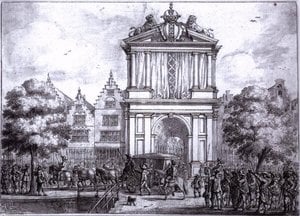
Вход Марии Медичи в Амстердам

Великое произведение искусства Яна Мартцена «Вход Марии Медичи в Амстердам» (1638) демонстрирует роскошный процессионный портрет эпохи Золотого века Нидерландов. Изысканная гравюра и детализированная композиция отражают историческое событие.

Explore the dynamic battle scenes of Jan the Younger Martszen (1609-1647), a Dutch engraver & painter known for his military skirmishes & Italianate style.

Масляная репродукция ручной работы

Картина маслом на холсте в выбранном вами размере и раме, написанная на заказ нашими художниками. (Перейти к печати Перейти к печатиПереключиться на изображение Переключиться на изображение)

P118B $10
P118H $10
P118W $10
P438Z $10
P508JH $12
P508YH $12
P805H $10
P805Z $10
P919BZ $10
P919G $10
P919XJ $10
P959ZH $10
P968JZ $12
W106C $8
W218G $10
W218JH $8
W218Y $10
W307PJ $10
W316G $10
W316PJ $8
W316Y $10
W398PJ $8
W4111J $10
W500HY $15
W500JH $15
W692G $12
W849H $8
W940BG $15
W953PJ $8

Standard
custom
CM
INCH

Выберите один из наших стандартных размеров, соответствующих оригинальным пропорциям произведения искусства.

ширина
высота

Вы можете указать собственные размеры, чтобы картина идеально вписалась в выбранную раму или пространство. Если выбранный вами размер не соответствует пропорциям оригинала, мы либо обрежем полотно, либо расширим его за счет дополнительных элементов, написанных вручную. Цифровой макет будет отправлен вам на утверждение перед началом производства.
Обратите внимание, что предварительный просмотр на экране не отражает фактическую обрезку или расширение. Только макет точно покажет окончательную композицию.
Хотя доступны индивидуальные размеры, мы рекомендуем выбирать вариант из предопределенного списка, чтобы сохранить исходные пропорции.

Примеры того, что можно изменить: заменить лицо на фото клиента; добавить домашнее животное (например, заменить кошку на собаку); добавить скрытое послание на фон; изменить пейзаж или детали фона.
После оформления заказа команда WahooArt.com свяжется с клиентом по электронной почте для уточнения деталей и предоставит предварительный макет

Доставка по всему миру () за 3–4 недели вместо стандартных 5 недель. (5 Август). Без компромиссов в качестве.

why_choose_icon
Бесплатная экспресс-доставка по всему миру
why_choose_icon
Высококачественный льняной холст
why_choose_icon
Полное страхование доставки
why_choose_icon
Гарантия возмещения таможенных пошлин
why_choose_icon
Гарантия точного соответствия цветов
why_choose_icon
Политика возврата в течение 60 дней (только при наличии дефектов)
why_choose_icon
Гарантия возврата 100% средств
why_choose_icon
Предложение оптовых скидок

Общая стоимость

$ 272

reproduction

Вход Марии Медичи в Амстердам

Техника репродукции

Размер репродукции

-

Итоговая стоимость

$ 272

Основные сведения

  • Artistic style: Realistic; Detailed shading
  • Movement: Italianate Painting
  • Dimensions: 280 x 388 cm
  • Title: The Entry of Maria de' Medici to Amsterdam
  • Subject or theme: Historical procession; Royal arrival
  • Location: National Gallery of Art
  • Notable elements or techniques: Monumental archway; Lions and shield; Atmospheric perspective

Тест по искусству

В каждом вопросе только один правильный ответ.

Вопрос 1:
What artistic movement is Jan Martszen de Jonge primarily associated with?
Вопрос 2:
The painting depicts a procession celebrating the arrival of whom in Amsterdam?
Вопрос 3:
What architectural element is prominently featured in the background of 'The Entry of Maria de' Medici to Amsterdam', contributing to its grandeur?
Вопрос 4:
What technique was predominantly used by Jan Martszen de Jonge in creating this artwork?
Вопрос 5:
The image shows a detailed depiction of the procession, capturing the importance of this historical event. What year was the painting created?

Описание произведения

Jan Martszen de Jonge: A Flemish Landscape Painter Amidst Baroque Splendor

Jan Martszen de Jonge (1609 – 1647) stands as a relatively obscure figure within the grand tapestry of Dutch Golden Age art, yet his contribution to landscape painting and particularly his depictions of military skirmishes holds considerable interest for scholars examining the artistic currents of the era. Primarily active in Haarlem, Martszen’s oeuvre reflects both the stylistic innovations of the Baroque period—characterized by dramatic chiaroscuro, opulent color palettes, and a fervent embrace of emotional expression—and a grounding in Flemish traditions—a duality that distinguishes him from many of his contemporaries. This blending of influences resulted in artworks imbued with a palpable sense of dynamism and grandeur, mirroring the turbulent political landscape of seventeenth-century Europe.
  • Early Life & Training: Precise biographical details surrounding Martszen's formative years remain scarce. He apprenticed under Hans van Steenwyck II, a prominent Haarlem landscape painter known for his dramatic compositions and meticulous attention to detail. This association undoubtedly instilled in Martszen a foundational understanding of Flemish landscape aesthetics—characterized by atmospheric perspective, luminous color palettes, and an emphasis on conveying mood and emotion through visual cues. Notably, Martszen’s artistic sensibilities were shaped by the broader artistic landscape of Haarlem during the Baroque period, fostering collaborations with luminaries like Jan Brueghel the Elder, a celebrated Flemish painter renowned for his monumental landscapes and allegorical narratives—a partnership that exemplifies the cross-border exchange of ideas and techniques prevalent in 17th-century art circles.

The Entry of Maria de’ Medici into Amsterdam: A Monumental Scene

“The Entry of Maria de' Medici to Amsterdam,” executed in 1638 by Jan Martszen de Jonge, transcends mere topographical representation; it embodies the spirit of its time—a testament to Haarlem’s artistic vitality during its zenith. The painting captures a pivotal moment in Dutch history: the triumphant return of Maria de' Medici, Queen consort of Louis XIII and Marie Theresa, to Amsterdam after years of exile. This procession, depicted with breathtaking realism, unfolds within a meticulously crafted cityscape dominated by a monumental archway adorned with lions and a heraldic shield—symbols of royal authority and prestige. The artist’s masterful use of chiaroscuro illuminates the scene, highlighting figures dressed in sumptuous attire and conveying an overwhelming sense of ceremonial grandeur.
  • Detailed Observation & Technique: Martszen's meticulous approach to landscape painting is evident in every brushstroke. He skillfully renders architectural details—including stepped gables characteristic of Dutch Golden Age architecture—and incorporates elements like trees and foliage to create a convincing illusion of depth and space. The artist’s dedication to capturing light and shadow contributes significantly to the overall emotional impact of the artwork, mirroring the Baroque fascination with theatrical presentation and psychological realism.

Symbolism & Narrative Significance

Beyond its visual splendor, “The Entry of Maria de' Medici into Amsterdam” carries profound symbolic weight. The archway serves as a focal point for the procession, representing stability and continuity amidst political upheaval—a crucial message conveyed during a period marked by religious tensions and international conflicts. Furthermore, Martszen’s depiction of civic guardsmen armed with muskets underscores the importance of military defense in safeguarding Dutch independence. The inclusion of Maria de' Medici herself—dressed in regal splendor—emphasizes the queen’s role as guarantor of peace and prosperity—a sentiment reflected in the serene expressions of many participants within the scene.
  • Influence & Legacy: Martszen’s work stands as a cornerstone of Flemish landscape painting and exemplifies the artistic dialogue between Northern and Southern European traditions during the Baroque era. His meticulous observation of nature combined with dramatic compositional techniques—a hallmark of his style—continues to inspire artists today, securing his place within art history as a master of visual storytelling and emotional resonance.

A Reproduction Worthy of Distinction

WahooArt.com offers exceptional reproductions of “The Entry of Maria de' Medici to Amsterdam,” meticulously crafted to preserve the artwork’s original beauty and detail. Choose from our curated selection of sizes—designed to complement any interior space—and experience the grandeur of Martszen’s masterpiece firsthand. Delivered swiftly and securely, this high-quality reproduction embodies the spirit of artistic excellence—a lasting tribute to a remarkable artist and an unforgettable moment in Dutch history. Explore our collection today!

Биография художника

Jan Martszen de Jonge (1609 – 1647): A Flemish Landscape Painter Amidst Baroque Splendor

Jan Martszen de Jonge (1609 in Haarlem – 1647 in Haarlem) stands as a relatively obscure figure within the illustrious tapestry of Dutch Golden Age art, yet his contribution to landscape painting and particularly his depictions of military skirmishes holds considerable interest for scholars examining the artistic currents of the era. Primarily active in Haarlem, Martszen’s oeuvre reflects both the stylistic innovations of the Baroque period and a grounding in Flemish traditions—a duality that distinguishes him from many of his contemporaries.
  • Early Life & Training: Precise biographical details surrounding Martszen's formative years remain scarce. He apprenticed under Hans van Steenwyck II, a prominent Haarlem landscape painter known for his dramatic compositions and meticulous attention to detail. This association undoubtedly instilled in Martszen a foundational understanding of Flemish landscape aesthetics—characterized by atmospheric perspective, luminous color palettes, and an emphasis on conveying mood and emotion through visual cues.
  • Notable Works & Artistic Style: Martszen’s artistic style is notable for its blend of Baroque grandeur and Flemish realism. He excelled in capturing the dynamism of battle scenes with impressive accuracy—a genre that gained considerable popularity during his lifetime, fueled by ongoing conflicts between European powers. However, he wasn't solely focused on military subjects; he produced serene landscapes imbued with subtle tonal variations and evocative lighting effects. The Rijksmuseum houses several paintings attributed to Martszen, including “The Entry of Maria de’ Medici to Amsterdam,” showcasing his masterful command of color and composition.
  • Influences & Connections: Martszen's artistic sensibilities were undoubtedly shaped by the broader artistic landscape of Haarlem during the Baroque period. He collaborated closely with Jan Brueghel the Elder, a celebrated Flemish painter known for his monumental landscapes and allegorical narratives—a partnership that exemplifies the cross-border exchange of ideas and techniques prevalent in 17th-century art circles. Furthermore, Martszen’s work demonstrates an awareness of scientific observation, mirroring the burgeoning interest in natural history during this era.
  • Legacy & Historical Significance: While Martszen's fame didn't rival that of Rembrandt or Vermeer, his paintings continue to resonate with viewers today due to their skillful execution and expressive qualities. He represents a crucial link between Flemish landscape painting and the Dutch Baroque tradition—a testament to Haarlem’s artistic vitality during its golden age. His contribution to documenting military events provides valuable insight into the visual culture of the time.

Exploring Martszen's Landscape Vision

Martszen’s landscapes aren’t merely scenic representations; they are imbued with a palpable sense of atmosphere and emotion. Unlike some contemporaries who prioritized idealized beauty, Martszen sought to capture the complexities of nature—its subtle shifts in light and color—with remarkable precision. His use of tonal gradations—particularly his masterful manipulation of chiaroscuro—creates dramatic contrasts that heighten visual impact and convey psychological depth. Consider “Battle Scene,” where Martszen skillfully depicts a chaotic battlefield, utilizing muted colors and dynamic brushstrokes to convey the intensity of combat. This approach aligns with the broader Baroque preoccupation with conveying emotion through art, distinguishing Martszen from artists prioritizing purely decorative considerations.

Further Resources

For deeper exploration into Jan Martszen de Jonge’s artistic life and work, consult the following resources:

Related Artists

Consider examining the works of Jan Brueghel the Elder and Pieter Van Laan for comparative insights into Flemish Baroque landscape painting during Martszen’s era.
jan the younger martszen

jan the younger martszen

1609 - 1647 , Netherlands

Основные сведения

  • Artistic Movement Or Style: Italianate Painting
  • Artists Or Movements Influenced By This Artist: ['Baroque']
  • Artists Who Influenced This Artist:
    • Hans Memling
    • Jan Brueghel the Elder
  • Date Of Birth: 1609 Haarlem Netherlands
  • Full Name: Jan Martszen de Jonge
  • Nationality: Dutch
  • Notable Artworks:
    • The Entry of Maria de' Medici to Amsterdam
    • Battle Scene
  • Place Of Birth: Haarlem Netherlands
Откройте для себя произведения искусства, подобранные по темам, стилям и характеристикам.