

O Eco do Rei Sol: Revelando a Majestade de Versalhes
O Château de Versailles não é meramente um edifício; é uma experiência, um portal para um mundo meticulosamente moldado pela ambição e pelo virtuosismo artístico. Erguendo-se das planícies verdejantes a oeste de Paris, esta antiga residência real ergue-se como um testemunho da visão de Luís XIV – uma declara de poder, uma celebração da beleza e uma influência profunda na estética europeia. Mais do que simples paredes e salas, Versalhes encarna uma era inteira, uma ilusão cuidadosamente construída de direito divino e luxo incomparável que continua a cativar visitantes séculos depois. Sua história está entrelaçada com a ascensão e queda de dinastias, o florescimento de movimentos artísticos e a própria definição da vida cortesã. O apelo duradouro do palácio reside não apenas em sua grandeza opulenta, mas também nas camadas de história que abriga – um elo tangível ao período mais transformador da França.
A gênese de Versalhes começou com um desejo simples: Luís XIII buscava um pavilhão de caça, um refúgio das restrições da vida na corte parisiense. No entanto, seu filho, Luís XIV, transformou este início modesto em algo extraordinário. Movido por uma necessidade insaciável de afirmar sua autoridade e estabelecer a França como a força dominante na Europa, ele embarcou em uma campanha de décadas de expansão e ornamentação. Não se tratava apenas de construir um palácio; tratava-se de construir um símbolo – uma manifestação visível do poder absoluto. A escala da empreitada é de tirar o fôlego: um complexo labiríntico de apartamentos de Estado, residências privadas, jardins meticulosamente cuidados e fontes em cascata — cada elemento projetado para impressionar, inspirar temor e reforçar o reinado incontestável do Rei Sol. O projeto inicial do arquiteto Louis Le Vau foi radicalmente alterado sob Jules Hardouin-Mansart, resultando na forma icônica que reconhecemos hoje – uma mistura harmoniosa de contenção clássica e exibição extravagante.
Galeria dos Espelhos: Reflexos da Majestade
Sem dúvida o espaço mais icônico de Versalhes, esta vasta galeria é um espetáculo deslumbrante de luz e reflexo. Dezessete arcos espelhados, meticulosamente trabalhados e posicionados estrategicamente, capturam a luz do sol que flui dos jardins abaixo, criando um brilho etéreo que parece se estender infinitamente ao longe. As pinturas que adornam as paredes – cenas triunfantes retratando vitórias francesas – amplificamente aumentam a sensação de grandeza e reforçam o poderio militar da França. Note o uso sutil da perspectiva; os espelhos não apenas refletem a sala, mas também criam a ilusão de um espaço infinito, espelhando o poder percebido da monarquia. O design arquitetônico de André Le Nôtre garantiu que cada raio de sol iluminasse a galeria, realçando seu impacto visual e simbolizando o domínio de Luís XIV sobre a natureza. A Galeria dos Espelhos não era apenas um elemento decorativo; era uma ferramenta cuidadosamente calculada para projetar uma imagem de riqueza ilimitada e brilhantismo estratégico. Serviu como palco para recepções diplomáticas, bailes elaborados e performances teatrais, consolidando o papel de Versalhes como o centro da diplomacia europeia.
Apartamentos de Estado: Retratos do Poder
Cada suíte dentro do palácio conta uma história da vida real, refletindo o status e os gostos de seu ocupante. Do opulento Grande Apartamento, projetado para impressionar dignitários estrangeiros, ao mais íntimo Apartamento da Rainha, que personifica elegância e refinamento, esses espaços oferecem um vislumbre fascinante dos rituais diários e das dinâmicas sociais da corte. Preste atenção especial aos detalhes – as tapeçarias retratando cenas mitológicas, o mobiliário elaborado feito de madeiras preciosas e as coleções de porcelana meticulosamente organizadas — tudo contribui para a impressão geral de riqueza e sofação. O mobiliário foi escolhido com extremo cuidado, refletindo a inclinação de Luís XIV pelo suntuoso e demonstrando o domínio da França sobre o artesanato. A arte narrativa desempenhou um papel crucial; tapeçarias e pinturas serviam como narrativas visuais, transmitindo temas de autoridade real e celebrando as glórias da história francesa. A coleção inclui exemplos requintados do design de móveis do século XVII, exibindo a habilidade de artesãos renomados como André Charles Boulle, cuja marqueteria é particularmente celebrada. Os Apartamentos da Rainha, em particular, oferecem um contraste pungente com a grandeza dos aposentos do Rei, revelando um espaço mais íntimo e pessoal para Maria Antonieta.
Além das Muralhas: Os Jardins de Versalhes
Além das muralhas do palácio, os jardins meticulosamente planejados por André Le Nôtre representam um triunfo do controle humano sobre a natureza – um espelhamento deliberado da ambição de Luís XIV de impor ordem tanto ao seu reino quanto ao mundo natural. Estas não são simplesmente paisagens decorativas; são obras de arte cuidadosamente orquestradas, projetadas para evocar sentimentos de grandeza, perspectiva e harmonia divina. A precisão geométrica dos parterres – padrões intrincados de sebes podadas e canteiros de flores – contrasta belamente com as formas mais orgânicas das árvores e arbustos, criando um equilíbrio dinâmico entre o artifício e a natureza. As fontes serviam como poderosos símbolos da autoridade real, reforçando os temas do direito divino e do poder absoluto. Os próprios jardins são um livro de história vivo, refletindo a evolução dos gostos e das técnicas hortícolas ao longo dos séculos. Uma visita a Versalhes está incompleta sem experimentar a serenidade e a escala destes magníficos terrenos – um testemunho da visão do Rei Sol de um mundo perfeitamente ordenado.
Um Legado Preservado: Arte e Arquitetura
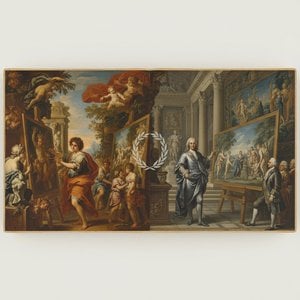
Hoje, o Château de Versailles continua a cativar os visitantes com sua beleza incomparável e significado histórico. O museu abriga uma extensa coleção de pinturas de mestres como Jean-Baptiste Adolphe Lafosse e Jean-Victor Schnetz – obras que oferecem um vislumbre dos gostos artísticos da corte francesa. Retratos de reis e rainhas adornam as paredes, enquanto cenas alegóricas celebram a glória da França. Esculturas, mobiliário e artes decorativas realçam ainda mais os interiores opulentos do palácio, proporcionando uma visão abrangente da arte francesa dos séculos XVII e XVIII. Exposições notáveis destacam regularmente aspectos específicos da história de Versalhes ou apresentam artefatos recém-descobertos. O museu também mantém um centro de pesquisa dedicado, engajado ativamente na preservação e interpretação da vasta coleção do palácio para as gerações futuras. Uma visita a Versalhes não é apenas uma jornada no tempo; é uma imersão em um mundo de arte incomparável e ambição real.