Tullio Pericoli: A Life in Lines and Landscapes
Born in Colli del Tronto, Italy, in 1936 – a region steeped in artistic tradition yet retaining an independent spirit – Tullio Pericoli’s career is a testament to the enduring power of observation and the transformative potential of illustration. His journey began not with grand pronouncements or revolutionary techniques, but with a quiet relocation to Milan in 1961, a move that marked the beginning of his ascent as a significant figure in Italian visual culture. Pericoli’s work isn't simply about depicting subjects; it’s about engaging with them, dissecting their essence and presenting it through a uniquely layered and often satirical lens.
Early recognition came during the 1970s, a period of vibrant artistic experimentation in Italy. He quickly established himself as a regular contributor to the influential cartoon magazine “Linus” and the respected daily newspaper “Corriere della Sera,” demonstrating an ability to capture both the immediacy of current events and the complexities of human character. This early exposure honed his skills in caricature and portraiture, laying the foundation for his later explorations of broader themes – from literary figures to the landscape itself.
Portraits of Power and Perspective
Pericoli’s portraits are perhaps his most celebrated work. He doesn't merely reproduce likenesses; he constructs narratives around his subjects, often employing a deliberately chaotic and layered style reminiscent of a visual encyclopedia. His subjects – writers, artists, intellectuals – are presented in a whirlwind of references, quotations, and symbolic imagery, inviting the viewer to engage in a complex dialogue with both the individual and the broader cultural context. The “Who is Who?” drawing, a particularly striking example, exemplifies this approach—a sprawling, densely packed composition brimming with historical figures and biting commentary. It’s a testament to Pericoli's ability to distill vast amounts of information into a single, visually arresting image.
His work for "Corriere della Sera" further solidified his reputation, showcasing his talent for capturing the personalities of prominent public figures. The meticulous detail combined with a subtle sense of humor created portraits that were both informative and engaging, reflecting Pericoli’s keen understanding of human psychology.
Beyond Portraits: Landscapes and Set Design
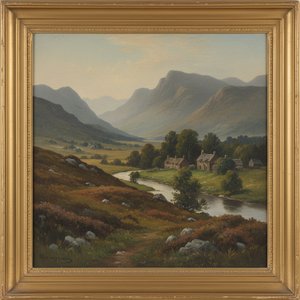
While renowned for his portraiture, Pericoli's artistic range extends far beyond the individual. He has consistently demonstrated a deep appreciation for landscape painting, producing evocative works that capture the essence of Italian scenery. These landscapes are not simply representations of physical space; they’re imbued with emotional resonance and often carry symbolic weight. His use of color and composition creates a sense of atmosphere and invites contemplation.
Furthermore, Pericoli's contributions to set design for opera productions – notably his work on Donizetti’s *L’elisir d’amore* at the Zurich Opernhaus and La Scala in Milan – reveal another facet of his creative talent. These designs demonstrate a sophisticated understanding of theatrical space and a willingness to experiment with form and color, creating visually stunning environments that enhance the dramatic impact of the performances.
A Continuing Legacy
Throughout his career, Pericoli has remained a prolific and versatile artist, continually pushing the boundaries of illustration and visual communication. His work is characterized by a distinctive blend of meticulous detail, satirical wit, and profound insight. From his early contributions to “Linus” and “Corriere della Sera” to his more recent projects, Pericoli’s art continues to challenge viewers to think critically about the world around them. His books on art and culture further demonstrate his commitment to engaging with broader cultural themes, solidifying his position as a significant voice in Italian visual arts.
Pericoli's influence extends beyond Italy; his work has been exhibited internationally and is held in private collections worldwide. He remains an active artist today, continuing to create new works that reflect his enduring vision and artistic spirit. His legacy lies not just in the finished artworks themselves, but also in the way he encourages viewers to see the world with a more discerning eye.