Thomas Ryder I (1746–1810): The Master of Stipple Engraving
Thomas Ryder I (1746–1810) stands as a pivotal figure in the history of English engraving, celebrated for his unparalleled skill and meticulous attention to detail—particularly within the technique of stipple printing. Born in London during the reign of George III, Ryder’s artistic journey began under the tutelage of James Basire, a respected artist whose influence shaped Ryder's formative years and instilled him with foundational knowledge of classical art and engraving methods. This apprenticeship solidified his connection to the burgeoning Society of Artists, where he established drawings in 1766 and 1767, marking an early engagement with artistic discourse and innovation. Notably, Ryder was one of the first students admitted to the Royal Academy’s schools, providing him with access to elite training and fostering collaborations that would propel his career forward.- Early Life & Training: Ryder's upbringing instilled in him a deep appreciation for classical aesthetics and artistic precision. His studies under Basire honed his technical abilities and exposed him to the stylistic conventions of the era, preparing him for a distinguished artistic vocation.
- Association with Key Artists & Institutions: Ryder’s membership within the Society of Artists and subsequent enrollment at the Royal Academy fostered invaluable connections with fellow artists and scholars—individuals who would inspire his creative endeavors and contribute to the advancement of engraving as an art form.
A Virtuoso of Stipple Printing
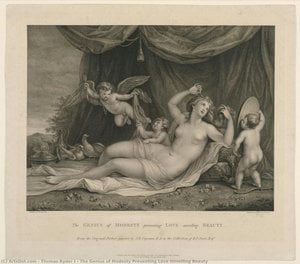
Ryder’s artistic legacy rests primarily upon his mastery of stipple printing, a technique that distinguishes him from many of his contemporaries. Unlike mezzotint, which employs tonal shading through roughening the plate surface, stipple involves applying tiny dots of ink to create subtle gradations of tone—a process demanding exceptional patience and precision. Ryder’s engravings exemplify this technique's potential for capturing nuanced textures and conveying profound emotional depth.
- Notable Engravings: Ryder produced a remarkable body of work, including depictions of Angelica Kauffmann portraits (demonstrating his ability to convey likeness and character), Joshua Reynolds landscapes (reflecting the grandeur of the Romantic era), and scenes from Shakespearean dramas—each piece meticulously executed with painstaking detail.
- Technique & Aesthetic Considerations: Ryder’s stipple prints are characterized by their remarkable subtlety and tonal richness, achieved through countless hours of labor. He skillfully utilized dot patterns to emulate naturalistic textures and illuminate the emotional core of his subjects, establishing himself as a champion of artistic excellence.
Major Achievements & Recognition
Ryder’s engravings gained considerable acclaim during his lifetime and continue to be admired for their aesthetic qualities and technical virtuosity. His prints were housed in prestigious collections—including those of Pembroke College Oxford and Somerville College Oxford—testament to the enduring value of his artistic vision.
- Collections & Exhibitions: Ryder’s engravings graced the walls of prominent institutions, showcasing his talent before a discerning public.
Legacy & Influence
Thomas Ryder I's contribution to English art history remains significant—his stipple prints stand as enduring symbols of artistic refinement and technical mastery. He cemented his place among the foremost engravers of his time, shaping the visual culture of the Georgian era and inspiring subsequent generations of artists.
- Continuing Relevance: Ryder’s meticulous approach to engraving continues to resonate with contemporary art historians and collectors who recognize the enduring beauty and expressive power of his work.