Uma Vida Gravada com Astúcia: O Mundo de Peggy Bacon
Peggy Bacon, nascida Margaret Frances Bacon em 1895, em Ridgefield, Connecticut, foi uma observadora singularmente perspicaz da vida americana, traduzindo suas percepções em um corpo de obra celebrado por seu traço satírico e brilhantismo técnico. Sua jornada artística não foi fruto de um treinamento convencional ou de uma adesão rígida aos estilos predominantes; pelo contrário, floresceu a partir de uma criação não convencional, imersa em criatividade e curiosidade intelectual. Ambos os seus pais eram artistas – seu pai, Charles Roswell Bacon, pintor de paisagens e figuras, e sua mãe, Elizabeth Chase Bacon, uma miniaturista – o que fomentou na jovem Peggy uma inclinação precoce para a expressão visual. Esse incentivo não se limitava a lições formais; os Bacon priorizavam uma educação ampla para sua filha, abrangendo latim, mitologia grega e história antiga ao lado das artes. Viagens frequentes pela Europa e o tempo passado em Nassau, nas Bahamas, ampliaram ainda mais seus horizontes, expondo-a a diversas culturas que sutilmente informariam seu trabalho posterior. O trágico suicídio de seu pai em 1913 lançou uma longa sombra sobre sua vida, mas também pareceu aguçar seu foco, impulsionando-a para uma carreira onde pudesse dissecar e comentar as complexidades da experiência humana.Forjando uma Identidade Artística: Dos Estudos na League à Maestria da Ponta-seca
A educação artística formal de Bacon começou na School of Applied Design for Women, antes de transitar rapidamente para o ambiente mais estimulante da School of Fine and Applied Arts. Foi, no entanto, seu período na Art Students League, entre 1915 e 1920, que se provou verdadeiramente formativo. Ali, ela esteve sob a influência de artistas proeminentes como Kenneth Hayes Miller, John Sloan e George Bellows – figuras que defendiam o realismo e o foco na vida cotidiana. Este período também viu o florescimento de importantes amizades artísticas com Dorothea Schwarz (Greenbaum), Anne Rector (Duffy), Betty Burroughs (Woodhouse) e Yasuo Kuniyoshi, criando um círculo vibrante de apoio mútuo e inspiração. Por volta de 1917, Bacon descobriu a técnica da ponta-seca, um método que dominaria para tornar sua marca registrada. Autodidata nesse processo intrincado, ela encontrou nele o veículo perfeito para sua visão cada vez mais satírica. Simultaneamente, com colegas de classe, cofundou a *Bad News*, uma revista satírica que serviu como um dos primeiros canais para seu talento emergente e inteligência afiada. Essa experimentação não era meramente técnica; era uma declaração de independência artística, uma recusa em conformar-se às normas estabelecidas.O Olhar da Caricaturista: Sátira e Comentário Social
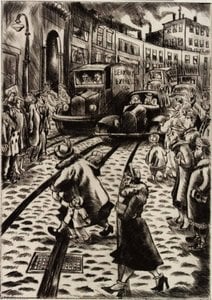
Peggy Bacon ascendeu ao destaque como uma caricaturista cujas obras adornaram as páginas de publicações prestigiadas como *The New Yorker* e *Vanity Fair*. Suas gravuras não eram simples semelhanças; eram comentários perspicazes, muitas vezes mordazes, sobre as personalidades e as falhas de seus temas. Ela possuía uma habilidade extraordinária de destilar a essência de uma pessoa – sua vaidade, pretensão ou vulnerabilidade – em poucas linhas desenhadas com maestria. Bacon não apenas exagerava traços físicos; ela amplificava características de caráter, revelando verdades ocultas através da exageração visual. Seus retratos não pretendiam ser tributos lisonjeiros, mas sim observações astutas do cenário social. Além da caricatura, Bacon também explorou o pastel, criando retratos caracterizados por paletas seletivas e composições harmoniosas. Essa versatilidade demonstrou seu domínio de várias técnicas, mantendo consistentemente uma voz artística distinta. O reconhecimento veio na forma de inúmeros prêmios, incluindo uma Bolsa Guggenheim, e exposições individuais em galerias influentes como a Intimate Gallery de Stieglitz e a Weyhe Gallery, consolidando sua reputação como uma força significativa na arte americana.Visões em Evolução: Da Sátira à Serenidade e um Legado Duradouro
A vida de Bacon tomou vários rumos – o casamento com o pintor Alexander Brook em 1920, a maternidade e o eventual divórcio em 1940 – contudo, sua dedicação artística permaneceu inabalável. Embora tenha continuado a produzir trabalhos satíricos por um tempo, seu foco mudou gradualmente para representações da vida cotidiana e paisagens imbuídas de uma qualidade lírica ou onírica. Essa evolução não foi uma rejeição de seu estilo anterior, mas sim uma expansão de seu vocabulário artístico. Mesmo quando a perda da visão a desafiou nos anos finais, Bacon perseverou, continuando a pintar até sua morte em 1987, aos 91 anos. Seu legado repousa em sua capacidade única de misturar o humor aguçado com uma habilidade técnica excepcional, criando imagens memoráveis que capturaram o espírito de sua época e ofereceram um comentário perspicaz sobre a sociedade e a cultura. A obra de Peggy Bacon permanece como uma contribuição significativa para a arte americana, particularmente nos campos da gravura e da ilustração satírica, lembrando-nos do poder da arte de tanto refletir quanto desafiar o mundo ao nosso redor.Obras Notáveis e Influência Contínua
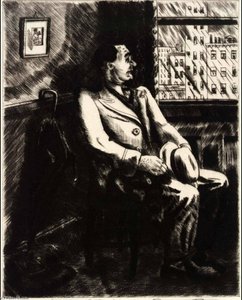
Diversas obras permanecem como testemunhos da destreza artística de Bacon. “Alexander Brook”, um cativante desenho a caneta de 1934, exibe seu estilo minimalista e linhas expressivas, pertencendo hoje à coleção Smithsonian. "Tired Eyes" e "Self Portrait", também disponíveis através da WahooArt, oferecem vislumbres íntimos de sua visão pessoal. Suas ilustrações para publicações como o *The New Yorker* continuam sendo exemplos icônções da ilustração americana de meados do século XX. A influência de Peggy Bacon estende-se além de sua produção artística direta. Ela abriu caminho para futuras gerações de mulheres artistas e satiristas, demonstrando que a arte poderia ser tanto esteticamente agradável quanto intelectualmente provocativa. Seu trabalho continua a ressoar com o público atual, oferecendo um comentário atemporal sobre a natureza humana e as complexidades da vida moderna.Perguntas e Respostas
Onde as obras de Peggy Bacon estão agrupadas por palavras-chave?
Para encontrar obras de Peggy Bacon sobre um tema específico, utilize a página de Por palavras-chave do artista, que agrupa as obras por palavra-chave.
Onde posso explorar as obras de Peggy Bacon mapeadas por tema?
O Atlas de Temas de Peggy Bacon é uma página que mapeia as obras do artista por seus temas.
A qual período histórico pertence a obra de Peggy Bacon?
Peggy Bacon atuou no período Modernismo. Este período situa a atividade do artista na história.