primeira infância e formação
Mori Tetsuzan, um renomado pintor japonês, nasceu em 1775 na vila de Yoshida, em Hyogo, no seio da família Iwasaki. Sua jornada artística foi moldada sob a orientação de um artista de Osaka, também chamado Mori Tetsuzan (vide), e mais tarde uniu sua vida ao casar-se com sua filha, Ryu.estilo artístico e contribuições
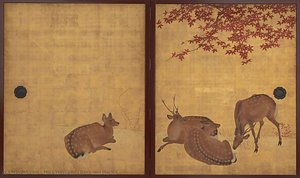
A obra de Mori Tetsuzan é definida por sua profunda adesão aos estilos tradicionais da pintura japonesa, concentrando-se no uso de cores vibrantes e contornos marcantes. Seu estilo artístico reflete a influência da pintura chinesa, uma estética que predominou desde o final do século XV até o período Meiji.obras notáveis
Embora as informações disponíveis sobre as obras específicas de Mori Tetsuzan sejam limitadas, suas contribuições para a pintura japonesa são inegáveis. Entre os artistas notáveis cujas obras podem ser encontradas no WahooArt.com, destacam-se:- Julius Mordecai Pincas, conhecido por suas pinturas expressivas e emotivas, como Seated Woman /en/art/show/painting-by-julius-mordecai-pincas-seated-womanhttpsWahooArtcomartnsfart-enopen/
- Thomas Gainsborough, um mestre do classicismo, com obras como Elizabeth Wrottesley [https://WahooArt.com/@@/8bwvq4-thomas-gainsborough-elizabeth-wrottesley](https://WahooArt.com/@@/8bwvq4-thomas-gainsborough-elizabeth-wrottesley).
- Tsukioka Yoshitoshi, uma figura proeminente na arte japonesa, com obras notáveis como Gen no Sanmi Yorimasa [https://WahooArt.com/@@/9ftjl4-tsukioka-yoshitoshi-gen-no-sanmi-yorimasa](https://WahooArt.com/@@/9ftjl4-tsukioka-yoshitoshi-gen-no-sanmi-yorimasa).
legado e influência
O estilo artístico de Mori Tetsuzan, caracterizado por cores audaciosas e contornos fortes, exerceu um impacto duradouro na pintura japonesa. Suas contribuições para o desenvolvimento da arte tradicional japonesa servem como um testemunho de sua habilidade e dedicação incansável.museus e coleções
Alguns museus notáveis que exibem arte japonesa incluem:- The Pinacoteca Vatican Museums, Roma, Itália, reconhecida por sua extensa coleção de arte religiosa [https://WahooArt.com/@@/a@d3aflp-the-pinacoteca-vatican-museums-rome-italy](https://WahooArt.com/@@/a@d3aflp-the-pinacoteca-vatican-museums-rome-italy).
- Hokkaido Museum of Modern Art (Japão), que apresenta uma coleção impressionante de arte japonesa moderna e contemporânea /en/art/show/art-d3cpwr-en/
conclusão
Mori Tetsuzan, um talentoso pintor japonês do século XVIII, deixou uma marca indelével no mundo da arte. Sua fidelidade aos estilos tradicionais e o uso audacioso das cores influenciaram gerações de artistas, consolidando seu lugar nos anais da história da pintura japonesa.Perguntas e Respostas
Onde as obras de Mori Tetsuzan estão agrupadas por palavras-chave?
As obras de Mori Tetsuzan podem ser exploradas por palavra-chave na página de Por palavras-chave do artista. Cada palavra-chave agrupa as obras relacionadas.
Onde posso ver as obras de Mori Tetsuzan em ordem cronológica?
Existe uma linha do tempo das obras de Mori Tetsuzan: a página Linha do tempo das obras do artista organiza as obras por data de criação.
Onde as obras de Mori Tetsuzan estão agrupadas por movimento artístico?
Os movimentos em que Mori Tetsuzan atuou podem ser conferidos na página de Todos os Movimentos do artista, que agrupa as obras por movimento.