Juventude, Família e Formação
Para compreender os alicerces da pintura armênia moderna, é necessário retornar às circunstâncias singulares do nascimento de Martiros Saryan. Nascido em 16 de fevereiro [28 de fevereiro, Novo Estilo], de 1880, em Nakhichevan-on-Don, na Rússia, ele era o sétimo filho de Sargis Saryan e Ustian Chiligaryan, crescendo em um ambiente moldado pela dinâmica de uma numerosa estrutura familiar. Sua educação inicial não emanou de uma instituição formal, mas sim do olhar atento de seu irmão mais velho, Hovhannes Saryan, que foi o responsável por suas primeiras e fundamentais instruções artísticas.
O rigor técnico que viria a definir sua produção posterior foi forjado durante seus anos na Escola de Pintura, Escultura e Arquitetura de Moscou. Entre 1897 e 1903, Saryan transcendeu o aprendizado doméstico com seu irmão para mergulhar na esfera profissional da cena artística russa. Este período não se limitou ao aprendizado de técnicas; foi um processo de absorção das metodologias específicas dos instrutores mais significativos da época. Ele trabalhou nos estúdios de Konstantin Korovin e Valentin Serov, duas figuras fundamentais que forneceram a base técnica necessária para seus subsequentes desenvolvimentos estilísticos.
Essa formação proporcionou algo que ia muito além da mera habilidade manual; ela ofereceu uma conexão direta com os padrões em constante evolução da época. Ao estudar sob a tutela de Korovin e Serov, Martiros Saryan adquiriu uma disciplina profissional que o permitiu, eventualmente, evoluir para além da simples representação figurativa. Sua transição de um estudante em Moscou para uma figura central na arte armênia foi construída sobre essa combinação única de orientação familiar e um rigoroso estudo acadêmico.
Viagens e Inspiração Artística
A obra de Martiros Saryan encontra sua lógica em uma busca deliberada por uma linguagem visual específica, profundamente enraizada em sua terra natal. Sua viagem à Armênia em 1901 não foi uma mera excursão casual, mas sim um projeto focado de pesquisa artística. Ao percorrer regiões como Lori, Shirak, Echmiadzin, Haghpat, Sanahin, Yerevan e Sevan, ele transcendeu a simples observação para documentar a paisagem através de uma lente profundamente pessoal. Este período estabeleceu o alicerce geográfico e emocional que viria a definir toda a sua produção artística.
Sua perspectiva expandiu-se através de um movimento estratégico pelo Oriente Médio e pelo Norte da África. Ele esteve em Constantinopla em 1910, no Egito em 1912, no sudoeste da Armênia em 1913 e na Pérsia em 1914. Essas viagens permitiram que ele absorvesse a luz e os motivos desses diversos locais, integrando-os em um estilo coeso. Mesmo seu breve período em Paris, entre 1926 e 1928, funcionou como uma forma de dialogar com a estética internacional antes de seu retorno definitivo à paisagem armênia.
Técnica e Estilo Artístico
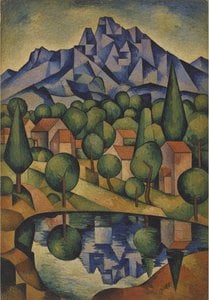
A linguagem visual de Martiros Saryan baseia-se em uma objetividade que evita complexidades desnecessárias. Sua abordagem expressionista captura cenas em uma forma simples, quase infantil, despojada de qualquer excesso acadêmico. Essa clareza é impulsionada por um uso intenso da cor. Ele não se limitava a observar a luz; ele a utilizava para definir o peso e a presença de seus temas. Sua paleta reflete a profunda influência do Impressionismo, mas ele foi além dos meros efeitos luminosos para abraçar os tons audaciosos e saturados encontrados nas obras de Paul Gauguin e Henri Matisse.
A geografia de suas viagens dita a composição de suas telas. O tempo passado na Armênia e no Oriente Médio forneceu os dados visuais essenciais para sua carreira. Ele não apenas pintava paisagens; ele sintetizava a luz e a atmosfera específicas dessas regiões em um estilo nacional distinto. Essa síntese incluía a integração de motivos persas, que ele entrelaçava em suas composições para fundamentar seu modernismo na realidade regional. O resultado é um estilo que se sente, ao mesmo tempo, moderno e profundamente enraizado nas especificidades do Oriente.
Obras-Chave e Pinturas Notáveis
A produção de Martiros Saryan reflete uma obsessão persistente pelas especificidades da paisagem armênia e pelas transformações sazonais do Oriente Médio. Sua obra de 1909, Steppe flowers, demonstra um domínio precoce da cor que se afastava dos tons suaves de seus predecessores. Já em 1916, seu foco voltou-se para a realidade imediata de sua terra natal com Flowers of Armenia. Este período de sua carreira revela uma transição da mera observação para uma interpretação da natureza mais estruturada, quase gráfica. Sua peça de 1924, Mottled landscape, comprova ainda mais sua habilidade de manipular a luz e a textura para definir o espaço sem depender da perspectiva tradicional.
Os anos tardios do artista foram marcados por uma preocupação contínua com temas botânicos e as qualidades atmosféricas do terreno armênio. Ele retornou ao motivo da renovação sazonal em Apricot trees in blossom (1929) e, novamente, em Apricot tree in blossom (1942). Estas obras não são meros estudos; são declarações assertivas de uma identidade regional específica. Sua pintura de 1933, Mountainous march of Armenian units, oferece um contraste marcante com seus estudos florais, ancorando sua estética nas realidades sociais e políticas da época. Mesmo em 1944, com April landscape, seu compromisso em capturar a luz singular da primavera armênia permaneceu como um pilar central de sua prática artística.
- Steppe flowers (1909)
- Flowers of Armenia (1916)
- Mottled landscape (1924)
- Apricot trees in blossom (1929)
- Mountainous march of Armenian units (1933)
- Apricot tree in blossom (1942)
Anos Tardios e Morte
A presença de Martiros Saryan na Armênia tornou-se permanente após sua mudança para Yerevan, em 1921. Enquanto seus anos iniciais foram marcados pela navegação pelas fronteiras mutáveis do Império Russo e por breves excursões a Paris, sua fase tardia foi definida por sua residência na Armênia Soviética. De 1928 até o seu falecimento, ele permaneceu como uma figura constante na região, produzindo um vasto corpo de obras que documentou a paisagem e a vida de sua pátria adotiva. Sua produção durante essas décadas foi prolífica, mantendo um alto nível de produtividade mesmo enquanto o cenário político ao seu redor se transformava profundamente.
Ele permaneceu ativo na cena artística armênia por décadas, vindo a falecer em Yerevan, RSS da Armênia, URSS. Martiros Saryan partiu em 5 de maio de 1972, aos 92 anos de idade. Sua longa vida abrangeu a transição da era imperial tardia através das complexidades do período soviético, deixando para trás um arquivo massivo de obras que permanece central para a história da pintura armênia.
Legado e Influência
O impacto de Martiros Saryan é medido pelo seu status como o fundador de uma escola nacional de pintura armênia moderna. Ele não se limitou a pintar paisagens; ele estabeleceu uma linguagem visual para uma nação inteira. Sua influência institucional foi profunda e significativa durante a era soviética, servindo como presidente da União de Artistas da Armênia Soviética entre 1945 e 1951. Este cargo permitiu que ele moldasse o panorama profissional para seus contemporâneos, consolidando sua posição ao ser eleito membro da Academia de Belas Artes da URSS em 1947. Em 1960, ele já havia alcançado o prestigiado título de Artista do Povo da URSS.
Sua obra permanece como uma referência primordial para a identidade armênia na arte. Ao se afastar das tradições puramente acadêmicas, ele criou algo intrinsecamente ligado à sua terra natal, um movimento que ajudou a definir a própria direção do modernismo armênio. Sua habilidade magistral de sintetizar influências internacionais com temas locais garantiu sua relevância muito além de sua partida, em 1972. Martiros Saryan permanece, de forma indelével, como uma figura central na história da cultura visual armênia.
Onde Ver as Obras Hoje
Para encontrar a realidade física da produção de Martiros Saryan, é necessário viajar até Yerevan, na Armênia. A cidade serve como o principal repositório de seu legado visual. A Galeria Nacional da Armênia mantém uma coleção significativa de suas pinturas, proporcionando um olhar centralizado sobre seu desenvolvimento dentro da paisagem armênia. Esta instituição detém o peso de suas contribuições formais para a escola nacional de pintura.
Para uma conexão mais íntima com o homem por trás do pincel, a Casa-Museu Martiros Saryan oferece um elo direto com sua vida privada. Este museu está instalado em sua antiga residência de três andares. Caminhar por este espaço específico permite um confronto com seu ambiente pessoal, situado a uma curta distância da Praça da Liberdade. O local permanece como um sítio vital para compreender a escala e o contexto doméstico de sua existência criativa.
O Museu Saryan, em Yerevan, também funciona como um local fundamental para sua obra. Juntos, esses locais garantem que sua influência permaneça ancorada na geografia que ele passou a vida documentando. Visitantes que buscam suas representações específicas da vida armênia ou seus estudos sobre o Oriente Médio encontrarão a concentração necessária de seu trabalho dentro destas instituições de Yerevan.
Perguntas e Respostas
Como posso acompanhar a obra de Martiros Saryan ano após ano?
A página de Linha do tempo das obras do artista apresenta as obras de Martiros Saryan ordenadas por data, ano a ano.
Existe uma visão geral de todos os temas que Martiros Saryan pintou?
A página Atlas de Temas mapeia as obras de Martiros Saryan por tema.
A qual período histórico pertence a obra de Martiros Saryan?
Martiros Saryan atuou no período Modernismo. Este período situa a atividade do artista na história.