Lee Seung-hee: Exploring Identity Through Immersive Performance and Photography
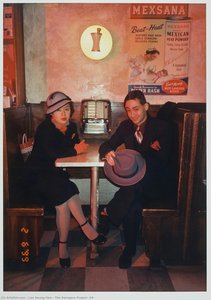
Lee Seung-hee, known professionally as Nikki S. Lee, is a South Korean visual artist born in Seoul in 1970, whose work delves into profound questions of identity and belonging through innovative mediums like performance art, photography, and film. Her artistic journey began with an exploration of the complexities inherent in perceiving oneself within broader social contexts—a preoccupation that continues to permeate her oeuvre. Early Life & Education: Details about Lee Seung-hee’s formative years are scarce publicly available, highlighting a deliberate choice for artistic privacy. However, she possesses a strong literary sensibility and was exposed to diverse cultural influences during her childhood through American media, fostering an early fascination with exploring perspectives beyond the individual. Performance Art Pioneers: The ‘Hispanic Project’: Arguably her most ambitious undertaking, this project saw Lee immersing herself in the Hispanic community of Los Angeles. She meticulously documented her experiences—from attending quinceañeras to participating in cultural events—creating a multi-layered visual narrative that interrogated assumptions about ethnicity and representation. This work exemplifies her commitment to confronting stereotypes and fostering empathy; she skillfully utilizes color palettes and framing choices to convey emotion and create a sense of atmosphere within her performances. Photography as Observation: Lee’s photographic practice isn't merely documentation; it’s an active process of observation and reflection. Her images often capture fleeting moments, capturing the nuances of human interaction and revealing hidden layers of social dynamics. She employs point-and-shoot cameras to record her transformations and interactions with participants in her projects—a technique that underscores her belief that identity is fluid and constantly shaped by encounters with others. Film Projects & Conceptual Exploration: ‘Swingers’: Continuing her exploration of identity, Lee undertook a film project examining the experiences of young gay men in New York City. This piece delves into themes of vulnerability, acceptance, and the challenges faced by marginalized communities—a reflection of her own artistic sensibilities and a testament to her ability to provoke thoughtful contemplation about social issues. Influences & Artistic Style: Lee Seung-hee’s artistic vision draws inspiration from conceptual art movements like Situationism and Minimalism, which encouraged artists to challenge conventional notions of aesthetics and explore alternative modes of expression. Her approach prioritizes immediacy and sensory experience, favoring techniques that allow for direct engagement with the viewer. She skillfully employs color palettes and framing choices to convey emotion and create a sense of atmosphere within her artworks—a stylistic hallmark that distinguishes her work from more traditional artistic traditions. Notable Achievements & Recognition: Lee Seung-hee’s dedication to artistic experimentation has garnered considerable acclaim. Notably, she received The Louis Comfort Tiffany Foundation Award in 2001 for her groundbreaking work exploring social identity—a recognition that solidified her position as a leading voice within contemporary Korean art and fostered the dialogue surrounding representation and cultural understanding. Her projects have been exhibited internationally, furthering her contribution to the broader artistic landscape. Legacy & Continuing Relevance: Lee Seung-hee’s artistic legacy resides in her unwavering commitment to challenging perceptions of self and society. Through her immersive performances and evocative photographs, she continues to inspire artists and audiences alike to consider perspectives beyond the individual, fostering a deeper appreciation for cultural diversity and promoting empathy across boundaries—a message that resonates powerfully in our increasingly interconnected world.Perguntas e Respostas
De onde é Lee Seung-hee?
Lee Seung-hee nasceu em Coreia do Sul.
Onde e quando nasceu Lee Seung-hee?
Lee Seung-hee nasceu em Seoul, em 1970.
Como a carreira de Lee Seung-hee é dividida em períodos?
A trajetória de Lee Seung-hee desenrola-se período a período na página Linha do tempo do artista: uma linha do tempo horizontal das obras, agrupadas em capítulos por fases da carreira.