Primeira Infância e o Despertar Artístico
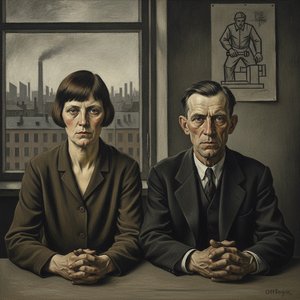
Käthe Kollwitz, nascida Käthe Schmidt em 8 de julho de 1867, em Königsberg (atual Kaliningrad, Rússia), emergiu de uma família profundamente enraizada tanto no fermento intelectual quanto na consciência social. Seu pai, Karl Schmidt, era uma figura política progressista — um radical social-democrético e maçom — enquanto seu avô materno, Julius Rupp, instilou na jovem Käthe uma mistura potente de convicção religiosa e ideais socialistas. Essa criação única provou ser fundamental, moldando não apenas sua visão de mundo, mas o próprio cerne de sua expressão artística. Mesmo criança, Kollwitz demonstrou um talento inato para o desenho, incentivada por seu pai, que reconheceu e nutriu sua criatividade florescente. O treinamento formal começou aos doze anos, sob a orientação dos artistas locais Gustav Naujok e Rudolf Mauer em Königsberg, lançando as bases para uma dedicação vitalícia à narrativa visual. Essas lições precoces não foram meros exercícios técnicos; foram os primeiros passos em um caminho para se tornar uma voz poderosa para os marginalizados e oprimidos. Ela continuou seus estudos em Berlim e Munique, imergindo nas correntes artísticas do final do século XIX, mas sempre retornando à condição humana como seu tema central.O Crisol da Experiência: Arte e Comentário Social
O casamento de Kollwitz com Karl Kollwitz, em 1891, marcou um momento crucial, tanto pessoal quanto artisticamente. O casal estabeleceu-se em Berlim, onde Karl exercia a medicina entre a classe trabalhadora empobrecida da cidade. Essa exposição direta à dificuldade e ao sofrimento impactou profundamente a visão artística de Käthe. Inicialmente, seu trabalho focava na representação das realidades da vida operária, imbuído dos princípios social-democratas que absorvera de sua família. No entanto, foi o Ciclo dos Tecelões (1894-1898), uma série de gravuras inspirada na peça de mesmo nome de Gerhart Hauptmann, que catapultou Kollwitz ao reconhecimento mundial. Esta obra poderosa retratou vividamente o desesrito e a revolta dos tecelões da Silésia enfrentando a exploração econômica — uma denúncia contundente da injustiça social, executada com uma honestidade inabalável. Ela não evitou retratar as realidades brutais que testemunhou; em vez disso, abraçou-as como componentes essenciais de sua verdade artística. Após Os Tecelões, Kollwitz embarcou no Ciclo da Guerra dos Camponeses (1902-1908), explorando temas de rebelião e opressão através das lentes da história alemã do século XVI. Esses ciclos iniciais estabeleceram sua reputação como uma artista profundamente comprometida com o realismo social, mas que já sinalizavam a intensidade emocional que se tornaria a marca registrada de seu estilo.Perda, Luto e o Impulso Expressionista
A Primeira Guerra Mundial trouxe uma tragédia inimaginável para a vida de Kollwitz. A morte de seu filho, Peter, em 1914, despedaçou seu mundo e alterou irrevogavelmente o curso de sua arte. O luto tornou-se um tema central, permeando obras como Morte com a Menina no Colo, uma representação assombrosa do sofrimento materno que transcende a perda específica para encarnar o luto universal. Este período também testemunhou uma mudança em seu estilo artístico, afastando-se do realismo estrito em direção a um Expressionismo mais carregado de emoção. Embora nunca tenha abandonado totalmente as formas representativas, Kollwitz começou a simplificar as formas e a amplificar o impacto emocional através de contrastes marcantes e composições dramáticas. Obras como Velho com a Enforcadeira e Torre das Mães exemplificam essa evolução — expressões cruas e viscerais de desespero e das consequências devastadoras da guerra. Seu domínio das técnicas de gravura — água-forte, litografia, xilogravura — permitiu-lhe alcançar esses efeitos, utilizando aquatinta e lixa para criar texturas dramáticas e variações tonais.Reconhecimento, Resiliência e um Legado Duradouro
Apesar de enfrentar imensas dificuldades pessoais, Kollwitz continuou a criar arte que desafiava as normas sociais e dava voz aos sem voz. Em 1919, ela alcançou um marco histórico ao tornar-se a primeira mulher eleita para a Academia de Artes da Prússia — um testemunho de suas conquistas artísticas e de sua crescente influência. No entanto, esse reconhecimento foi breve. Com a ascensão do Nazismo na Alemanha, Kollwitz foi forente a renunciar à Academia em 1933, e seu trabalho foi proibido como “arte degenerada”. Imperturbável, ela voltou-se para a escultura em seus anos tardios, continuando a explorar temas de luto, perda e resiliência no bronze e na pedra. Ela morreu perto de Dresden em 1945, durante os dias finais da Segunda Guerra Mundial, um fim pungente para uma artista que dedicou sua vida a testemunhar o sofrimento humano. Hoje, Käthe Kollwitz é celebrada como uma figura fundamental no Expressionismo e uma poderosa defensora da justiça social. Sua arte continua a ressoar com públicos de todo o mundo, lembrando-nos do poder duradouro da empatia e da importância de confrontar verdades difíceis. O Museu Käthe Kollwitz em Berlim permanece como um tributo duradouro ao seu legado, garantindo que sua profunda visão artística continue a inspirar as gerações vindouras.Influências e Estilo Artístico
O desenvolvimento artístico de Kollwitz foi moldado por várias influências fundamentais. A série de gravuras de Max Klinger, Ein Leben (Uma Vida), impactou profundamente seu trabalho inicial, demonstrando o potencial dos ciclos gráficos para a narrativa visual. As peças de Gerhart Hauptmann forneceram inspiração temática para obras como Os Tecelões, enquanto a prática médica de seu marido a expôs às duras realidades enfrentadas pela classe trabalhadora de Berlim. No entanto, Kollwitz não era meramente uma registradora de eventos externos; ela possuía uma habilidade excepcional de traduzir a experiência pessoal em emoções universais. Seu estilo é caracterizado por sua intensidade emocional bruta, formas simplificadas e uso magistral de luz e sombra. Embora enraizada no realismo, sua obra transcende a mera representação, mergulhando nas profundezas psicológicas do sofrimento humano. Ela não estava interessada na beleza pela beleza; buscava criar uma arte que provocasse o pensamento, inspirasse empatia e, em última análise, contribuísse para um mundo mais justo. Seu legado não é apenas de inovação artística, mas também de coragem moral. Kollwitz permanece como um símbolo duradouro do artista como consciência social.Perguntas e Respostas
Existe um tour virtual 3D das obras de Käthe Kollwitz?
As obras de Käthe Kollwitz podem ser visualizadas em uma galeria 3D na página Museu 3D do artista.
Quais cores Käthe Kollwitz utilizou com mais frequência?
O uso da cor em Käthe Kollwitz, através das obras listadas em este site, pode ser estudado na página Genoma da Paleta do artista.
Como posso encontrar todas as obras de Käthe Kollwitz em uma determinada técnica?
Para encontrar todas as obras de Käthe Kollwitz em um determinado meio, utilize a página de Todos os Meios do artista.