Uma Vida Pintada em Tons Românticos: John Hamilton Mortimer
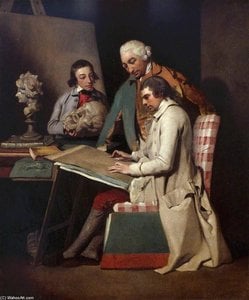
John Hamilton Mortimer, um nome talvez menos instantaneamente reconhecível do que seus contemporâneos como Reynolds ou Wright of Derby, ocupa, no entanto, um nicho significativo e fascinante na paisagem da arte britânica do século XVIII. Nascido em Eastbourne em 1740, a vida breve, mas intensamente produtiva de Mortimer — ele faleceu com apenas trinta e nove anos — foi marcada pela ambição artística, por um espírito inquieto e por um estilo em constante evolução que espelhava as mudanças de gosto de sua era. Seu pai, um oficial de alfândega com interesses mercantis, proporcionou um histórico estável, embora comum, para um jovem destinado a seguir um caminho imerso na criatividade. Já em 1el57, Mortimer gravitava em direção a Londres, matriculando-se na prestigiada Academia do Duque de Richmond, onde forjou uma amizade vitalícia com Joseph Wright, um vínculo que se provaria mutuamente benéfico ao longo de suas carreiras. Essa imersão precoce no meio artístico fomentou não apenas a habilidade técnica, mas também uma consciência das crescentes correntes intelectuais que moldavam a arte britânica. Ele estudou ao lado de outros talentos promissores, como Thomas Jones e William Pars, na St Martin’s Lane Academy, aperfeiçoando ainda mais suas capacidades sob a tutela de mestres como Cipriani, Robert Edge Pine e o próprio Sir Joshua Reynolds.Da História aos Bandidos: A Evolução de um Estilo
Os primeiros sucessos de Mortimer vieram com estudos premiados baseados em Michelangelo e desenhos de figura, estabelecendo uma base nos princípios clássicos. Ele rapidamente ganhou reconhecimento por suas pinturas históricas, notadamente *São Paulo Pregando aos Antigos Druidas na Britânia*, que permanece preservada no Guildhall em High Wyclone. Essas obras demonstravam um compromamento com a narrativa e uma capacidade de capturar momentos dramáticos, qualidades que se tornariam marcas registradas de sua obra. No entanto, Mortimer não se contentava apenas em replicar estilos estabelecidos; ele possuía uma sensibilidade aguçada às mudanças nas preferências estéticas. Na década de 1770, ocorreu uma mudança distinta em seu foco artístico. Ele começou a explorar temas mais masculinos e até criminais, afastando-se da ênfase predominante na elegância refinada em direção a representações de paisagens rústicas povoadas por bandidos e soldados. Essa fascinação pelo lado sombrio da experiência humana foi profundamente influenciada pela obra — e pela lenda — de Salvator Rosa, o pintor napolitano do século XVII celebrado por suas cenas selvagens e indômitas de fora da lei e paisagens dramáticas. A adoção dessa estética por Mortimer ressoou com o crescente gosto pelo Romantismo, prenunciando os movimentos artísticos que dominariam o século seguinte. Ele chegou a criar uma água-forte baseada no autorretrato de Rosa, demonstrando sua profunda admiração.Um Espírito Colaborativo e Liderança Artística
Mortimer não era apenas um pintor solitário; ele participou ativamente de projetos colaborativos com outros artistas. Frequentemente, contribuía com figuras para composições de colegas, auxiliando notavelmente Thomas Jones em telas ambiciosas como *Uma Tempestade Terrestre, com a História de Dido e Eneias*, *A Morte de Orfeu* e um par de pinturas inspiradas no *Allegro* e *Penseroso* de Milton. Essas colaborações destacam sua versatilidade e disposição em aplicar suas habilidades em empreendimentos artísticos maiores. Seu talento também era requisitado para esquemas decorativos; de 1770 a 1773, ele desempenhou um papel fundamental na decoração do salão de Brocket Hall, em Hertfordshire, trabalhando ao lado de outros artistas proeminentes como Francis Wheatley e James Durno. Em 1774, Mortimer atingiu o ápice de sua carreira quando foi eleito Presidente da Society of Artists — um testemunho de seu prestígio dentro da comunidade artística. Este cargo lhe conferiu influência considerável, embora também tenha significado navegar pelas complexas dinâmicas do mundo da arte durante um período de mudanças significativas.Um Legado Temperado pela Perda Precoce
Apesar de seus sucessos, a carreira de Mortimer foi tragicamente interrompida. Seu casamento com Jane Hurrel em 1775 parece ter impactado sua produção artística, e ele sucumbiu a uma doença não documentada em 4 de fevereiro de 1779. Embora tenha finalmente exibido na Royal Academy em 1778 — apresentando cinco obras, incluindo *Sir Arthegal* e cenas de bandidos — e tenha sido eleito Associado dessa instituição pouco antes de sua morte, seu potencial permaneceu, em grande parte, inexplorado. Ele enfrentou críticas durante sua vida, notadamente de Horace Walpole, que o descartou como um mero imitador de Salvator Rosa. No entanto, tais avaliações falham em apreciar plenamente a contribuição única de Mortimer para a arte britânica. Suas pinturas, caracterizadas por composições dramáticas, pinceladas expressivas e exploração de temas complexos, oferecem um vislumbre fascinante das sensibilidades artísticas de sua época. Ele construiu a ponte entre as tradições clássicas do século XVIII e o Romantismo emergente do século XIX, abrindo caminho para que futuras gerações de artistas abraçassem a emoção, a imaginação e o poder da narrativa em seus trabalhos. Hoje, John Hamilton Mortimer é cada vez mais reconhecido como uma figura significativa cuja arte merece maior atenção e apreciação.Redescobrindo Mortimer: Uma Perspectiva Moderna
O apelo duradouro da obra de Mortimer reside não apenas em sua importância histórica, mas também em sua ressonância emocional. Suas pinturas convidam os espectadores a contemplar temas de heroísmo, vilania, amor, perda e as forças indômitas da natureza. Suas paisagens são mais do que meros cenários; elas são participantes ativas no drama que nelas se desenrola. Os estudos recentes em torno de Mortimer — incluindo pesquisas arquivísticas detalhadas em instituições como o Paul Mellon Centre — lançaram uma nova luz sobre sua vida, desenvolvimento artístico e influência duradoura. Por meio de exposições e publicações, uma renovada apreciação por seu talento está emergindo, garantindo que John Hamilton Mortimer continue a cativar o público por gerações. Suas obras servem como um lembrete do poder da arte em nos transportar para outros mundos, desafiar nossas percepções e iluminar as complexidades da condição humana.Perguntas e Respostas
Posso navegar pelas obras de John Hamilton Mortimer por técnica?
Para encontrar todas as obras de John Hamilton Mortimer por técnica, acesse a página de Por Técnica do artista.
Em que cidade e país John Hamilton Mortimer nasceu?
John Hamilton Mortimer nasceu em Eastbourne, em Reino Unido.
Onde posso explorar as obras de John Hamilton Mortimer mapeadas por tema?
As obras de John Hamilton Mortimer podem ser exploradas por tema na página Atlas de Temas do artista.