A Visão Dramática de Francis Hayman
Na paisagem vibrante e mutável da arte britânica do século XVIII, poucas figuras possuíam o brilho versátil de Francis Hayman. Nascido em Exeter em 1708, Hayman não apenas observou a evolução cultural de sua era; ele moldou ativamente sua linguagem visual. Sua jornada começou longe das galerias refinadas de Londres, enraizada, em vez disso, no mundo efêmero e de grandes emoções dos cenários teatrais. Essa imersão precoce nas artes dramáticas proporcionou-lhe uma vantagem única, instilando uma compreensão profunda de composição, luz e tensão narrativa que mais tarde definiriam seu domínio do estilo Rococó. Ao transitar de pintor de cenários para um artista independente em St Martin's Lane, Hayman trouxe consigo a alma de um contador de histórias, capaz de transformar uma tela estática em uma janela para um momento teatral.
A essência estética da obra de Hayman está profundamente entrelaçada com o movimento Rococó, uma era caracterizada pela graça, pelo ornamento e por uma certa elegância leve. Inspirando-se nos opulentos mestres franceses, como François Boucher, Hayman adotou uma paleta de tons pastéis delicados e pinceladas fluidas e rítmicas. No entanto, seu trabalho nunca foi puramente decorativo; possuía uma integridade estrutural informada pelos ideais clássicos. Através de sua conexão com os crescentes círculos intelectuais de Londres, ele integrou um senso de proporção e forma que permitiu que seus retratos transcendesssem a mera semelhança, capturando, em vez disso, a própria essência do caráter e da posição social.
Um Legado de Royal Academy e Maestria Narrativa
A importância histórica de Hayman está ancorada em seu papel fundamental no estabelecimento da Royal Academy. Como membro fundador e o primeiro bibliotecário da instituição, ele ajudou a lançar as bases para os padrões artísticos profissionais na Grã-Bretanha. Esta posição de influência permitiu-lhe construir uma ponte entre o entretenimento popular, muitas vezes exuberante, das massas e as aspirações elevadas da elite acadêmica. Sua habilidade em navegar por esses mundos distintos é talvez melhor vista em seu diversificado corpo de obras, que varia do monumental ao íntimo.
Seu repertório artístico era notavelmente expansivo, exibindo um talento que podia alternar entre gêneros com extrema facilidade:
- Cenas Teatrais e Literárias: Hayman possuía uma rara habilidade de dar vida à literatura, criando representações evocativas do drama shakespeariano e cenas vivas de Dom Quixote, como o momento vibrante do estalajadeiro nomeando o cavaleiro.
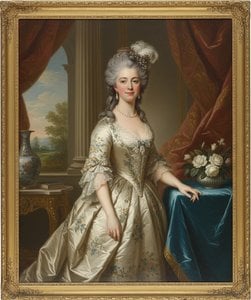
- Retratística: Ele tornou-se um cronista muito requisitado de sua época, capturando o carisma de atores lendários como David Garrick e a elegância aristocrática de figuras como o Dr. Charles Chauncey.
- Comissões Decorativas: Seu trabalho para os Vauxhall Pleasure Gardens demonstrou sua habilidade na narrativa em grande escala, onde utilizou a arte para realçar a experiência sensorial do público com o lazer e a alegria.
- Temas Bíblicos e Mitológicos: Através de obras como O Bom Samaritano, Hayman utilizou sua sensibilidade Rococó para explorar temas profundos de compaixão, caridade e interação divina.
Em última análise, a vida de Francis Hayman foi um testemunho do poder da narrativa visual. Ao fundir a teatralidade do palco com a elegância refinada do Rococó, ele criou uma obra que permanece como uma janela vital para a era do Iluminismo. Seu legado persiste não apenas nas telas que levam seu nome, mas na própria estrutura da história da arte britânica, marcando-o como um verdadeiro pioneiro que ajudou a elevar o status do pintor de artesão a mestre acadêmico.
Perguntas e Respostas
Onde as obras de Francis Hayman estão organizadas por cor?
A página Índice de Cores organiza as obras de Francis Hayman por cor.
Em que cidade e país Francis Hayman nasceu?
Francis Hayman nasceu em Exeter, em Reino Unido.
Como posso encontrar obras de Francis Hayman sobre um tema específico?
As obras de Francis Hayman podem ser exploradas por palavra-chave na página de Por palavras-chave do artista. Cada palavra-chave agrupa as obras relacionadas.