Early Life and Artistic Foundations
Ferdinand Andri’s story begins in Waidhofen an der Ybbs, Austria, a town steeped in artistic tradition—a legacy that would profoundly shape his life's work. Born in 1871, he was the son of a gilder, exposing him from a young age to the meticulous craft and aesthetic sensibilities inherent in decorative arts. This early immersion wasn’t merely an introduction; it became a foundational element, subtly influencing his artistic vision long before he formally began his training. From his tender years, Ferdinand demonstrated a remarkable aptitude for visual expression, quickly revealing a talent that transcended mere imitation. He eagerly sought out opportunities to hone his skills, beginning an apprenticeship with Johann Kepplinger, a skilled woodcarver and altar builder in Ottensheim near Linz at the remarkably young age of thirteen. This formative period proved invaluable—it wasn’t simply about learning techniques; it was about developing a deep understanding of three-dimensional form, spatial relationships, and the tactile qualities of materials. The intricate details of carving altars instilled within him an appreciation for precision, craftsmanship, and the power of art to evoke emotion through tangible forms. Furthering his artistic education, Andri attended the Staatsgewerbeschule in Innsbruck, a school focused on practical arts and design—a crucial step in developing his technical skills and broadening his understanding of various artistic disciplines. However, it was his move to Vienna’s prestigious Academy of Fine Arts in 1886 that truly cemented his path as an artist. There, he studied under luminaries such as Julius Victor Berger, Eduard von Lichtenfels, and August Eisenmenger—masters who not only imparted technical knowledge but also exposed him to the burgeoning currents of modern artistic thought. The Academy provided a rigorous training ground, fostering both traditional techniques and a nascent awareness of the possibilities beyond established conventions. Crucially, Andri’s education wasn't confined solely to the studio; he actively sought experiences that would enrich his artistic perspective. He embarked on extensive travels throughout Italy, France, England, and North America—a journey of discovery that exposed him to diverse artistic styles, cultural traditions, and a wealth of visual inspiration. These journeys weren’t merely sightseeing trips; they were deliberate attempts to absorb the spirit of each place, translating its essence into his own unique artistic language. A particularly significant event in his personal life occurred in 1897 with his marriage to Charlotte Hampel—a painter herself, eight years his senior. This union proved to be a profoundly stimulating creative partnership, fostering an exchange of ideas and perspectives that undoubtedly enriched his artistic development.Embracing Modernity: The Vienna Secession
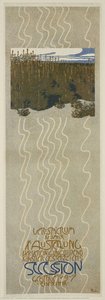
The late 19th and early 20th centuries in Austria were characterized by a fervent spirit of artistic rebellion—a period marked by a desire to break free from the constraints of academic tradition and forge new paths for artistic expression. Ferdinand Andri found himself at the very heart of this movement as an active member of the Vienna Secession, founded in 1897. This group of artists, united by a shared vision of innovation and a rejection of conservative norms, bravely challenged the established art academies—demanding a space where they could explore their own unique artistic voices. Andri wasn’t merely a passive participant; he quickly rose through the ranks, assuming the role of president from 1905 to 1906, demonstrating his leadership and unwavering commitment to the Secession's radical ideals. His involvement extended far beyond simply presiding over exhibitions—he actively contributed to *Ver Sacrum*, the Secession’s influential Art Nouveau magazine, a platform that served as a vital conduit for disseminating their groundbreaking work and articulating their artistic philosophy. *Ver Sacrum* wasn’t just a publication; it was a manifesto—a declaration of intent to redefine the boundaries of art and challenge conventional aesthetic values. The Secession's core principles revolved around embracing modernity, rejecting academic rigidity, and celebrating beauty in its most diverse forms. Andri wholeheartedly embraced these ideals, demonstrating a willingness to experiment with new techniques, explore unconventional subjects, and push the limits of artistic expression. This commitment to innovation manifested itself across his entire oeuvre—from his landscapes to his portraits, he consistently sought to capture the essence of his subject matter while simultaneously injecting it with a sense of dynamism and emotional resonance. The Secession’s influence extended beyond purely aesthetic considerations; it fostered a broader cultural dialogue, encouraging artists to engage with social and political issues through their work. Andri's participation in this vibrant artistic community solidified his position as a leading figure in the Austrian avant-garde—a testament to his vision and dedication.Style and Influences
Andri’s artistic style evolved over time, reflecting both his personal influences and the broader currents of modern art. Initially, his work bore the unmistakable imprint of Art Nouveau principles – evident in its decorative flourishes, organic forms, and a deliberate emphasis on beauty and elegance. This stylistic influence stemmed from the Secession's embrace of this popular movement, which sought to infuse everyday objects with artistic grace. However, Andri’s style wasn’t simply a mimicry of Art Nouveau; he skillfully integrated its elements into his own unique vision—creating works that were both visually striking and deeply expressive. The landscapes he painted are particularly noteworthy – they often depict the rolling hills and picturesque villages of Lower Austria, capturing the essence of rural life with remarkable sensitivity and detail. These paintings aren’t merely topographical representations; they are imbued with a sense of nostalgia and longing—evoking memories of a bygone era and celebrating the beauty of the natural world. His genre paintings offer a glimpse into the daily lives of ordinary people – farmers, artisans, and families—portraying their activities with warmth and empathy. Andri’s ability to capture human emotion through his portraits is equally impressive—he possessed a keen eye for detail and an intuitive understanding of how to convey personality and character on canvas. The war paintings he created during World War I stand apart as a unique artistic response to conflict – blending technical skill with meticulous documentary observation. These works aren’t glorifications of warfare; they are poignant reminders of the human cost of violence—depicting scenes of devastation, suffering, and resilience with unflinching honesty. Andri's style was also profoundly influenced by his extensive travels throughout Europe and North America – each journey adding a new layer to his artistic vocabulary. He absorbed elements from diverse cultural traditions, incorporating them into his own work in subtle yet significant ways.Later Years, Legacy, and Artistic Significance
Following the conclusion of World War I, Andri continued to paint prolifically, producing a vast body of work that reflects both his personal experiences and the turbulent political landscape of post-war Austria. Despite facing challenges—including the rise of Nazism and the suppression of modern art—he remained committed to his artistic practice, continuing to teach at the Vienna Academy until 1939. In 1950, a remarkable act of generosity saw him donate all remaining works from his possession to the city of St. Pölten – establishing the Ferdinand Andri Museum (now part of the City Museum), a lasting tribute to his artistic legacy and a testament to his belief in the importance of preserving cultural heritage. Ferdinand Andri passed away on May 19, 1956, leaving behind a rich and diverse body of work that continues to resonate with audiences today. His paintings are now housed in esteemed collections across Austria—including the Österreichische Galerie Belvedere in Vienna, the Lentos Kunstmuseum Linz, and the Museum Niederösterreich—ensuring that his vision will continue to inspire future generations of artists and art lovers alike. Andri’s artistic significance lies not only in his individual achievements but also in his role as a key figure in the Vienna Secession – a movement that fundamentally challenged the conventions of 19th-century art and paved the way for new forms of expression. His work serves as a compelling reminder of the power of creativity to reflect, challenge, and ultimately transcend the complexities of its time—a testament to his enduring artistic legacy.Style and Influences
- Art Nouveau’s Embrace: Andri's early work clearly bears the imprint of Art Nouveau principles, evident in its decorative flourishes and emphasis on organic forms—a style that resonated with the Secession’s rejection of academic rigidity.
- Vienna Secession Ideals: As a committed member of the Vienna Secession, Andri wholeheartedly embraced their pursuit of artistic innovation and their challenge to conventional aesthetic norms. This influence is visible in his willingness to experiment with new techniques and subject matter.
- Landscapes and Genre Painting: He became particularly renowned for his landscape and genre paintings that beautifully captured the essence of life and traditions among Lower Austrian farmers, offering a poignant glimpse into rural existence.
- Documenting War’s Reality: His war paintings stand apart as a unique artistic response to conflict – blending technical skill with meticulous documentary observation—a testament to his ability to find beauty and meaning even in the midst of devastation.
- An Evolving Style: Throughout his career, Andri’s style underwent subtle but significant transformations. However, he consistently demonstrated a deep commitment to craftsmanship, elegance, and a profound connection to Austrian culture—qualities that define his enduring artistic legacy.