Consultoria de arte gratuita

x

Resumo Biográfico

  • Copyright status: Under copyright
  • Top 3 works:
    • Still Life with an Antique Head
    • Garden Tea
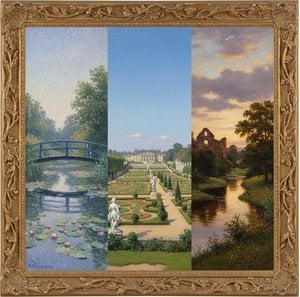
    • The Garden at Juillac
  • Nationality: Inglaterra

Teste de Arte

Cada pergunta possui apenas uma resposta correta.

Pergunta 1:
Q1
Pergunta 2:
Q2
Pergunta 3:
Q3
Pergunta 4:
Q4
Pergunta 5:
Q5

Daphne Fedarb (1912–1992): A Quiet Observer of Beauty

Daphne Fedarb, born in 1912, was a British painter who quietly established herself as a respected figure within the Bloomsbury Group and beyond. Though she remained largely outside the limelight of her contemporaries – Virginia Woolf, Vanessa Bell, Roger Fry, and Duncan Grant – Fedarb’s distinctive style and unwavering dedication to capturing the subtleties of nature cemented her place in twentieth-century art history. Her artistic journey began with a fascination for botanical illustration, honed during her formative years studying at Kew Gardens, where she meticulously documented plant specimens with remarkable accuracy. This early training instilled in her an appreciation for detail and observation—qualities that would permeate her subsequent paintings.

Early Influences: Monet’s Light and Color

Fedarb's artistic sensibilities were profoundly shaped by the Impressionist movement, particularly Claude Monet’s groundbreaking explorations of light and color. Monet’s canvases weren’t merely representations of landscapes; they were attempts to distill the very essence of atmosphere—the shifting hues of dawn, the dappled sunlight filtering through foliage, the silvery sheen on water surfaces. Fedarb absorbed this ethos wholeheartedly, recognizing that true artistic expression resided in conveying emotion rather than simply replicating visual appearances. She sought to emulate Monet’s ability to capture fleeting moments and transform them into enduring images of beauty.

The Bloomsbury Circle: Intellectual Discourse and Artistic Collaboration

Fedarb became acquainted with the Bloomsbury Group in the 1930s, engaging in stimulating discussions about art and literature alongside her fellow intellectuals. This influential circle—composed of Virginia Woolf, Vanessa Bell, Roger Fry, Duncan Grant, and others—championed a humanist aesthetic that prioritized intellectual curiosity and creative experimentation. Although Fedarb wasn’t a central participant in their collaborative projects – primarily focused on literary endeavors – her presence contributed to the vibrant intellectual atmosphere of Bloomsbury, fostering an environment where ideas flourished freely. Her engagement with these thinkers undoubtedly broadened her artistic horizons and deepened her understanding of the role of art within broader cultural contexts.

Style Characteristics: Layered Glazes and Luminosity

Fedarb's paintings are characterized by a restrained palette—often dominated by muted greens, blues, and browns—which perfectly complements her meticulous rendering of textures and forms. Her technique involved layering thin glazes of paint to achieve luminous effects, capturing the ephemeral qualities of light and shadow. This approach mirrored Monet’s own methods, prioritizing subtlety and nuance over bold color contrasts. Fedarb skillfully manipulated pigment density to create a sense of depth and atmosphere—a hallmark of Impressionist painting that continues to resonate with viewers today. The resulting canvases possess an understated elegance and convey a profound appreciation for the beauty found in natural landscapes.

Notable Works: Gardens, Seascapes and Everyday Life

Fedarb’s oeuvre comprises primarily landscape paintings and still lifes, reflecting her lifelong passion for depicting the natural world and domestic interiors with sensitivity and grace. Sh