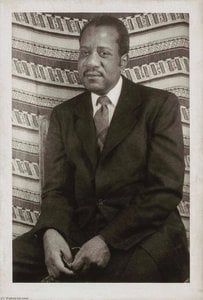
A Life Intertwined with the Avant-Garde
Carl Van Vechten, a name resonating through the annals of early 20th-century American culture, was far more than simply a writer or photographer. He was a cultural catalyst, a passionate patron, and an astute observer who navigated the vibrant currents of modernism with remarkable energy. Born in Cedar Rapids, Iowa, in 1880, into a family that valued both intellectual pursuits and artistic expression—his mother founded the local library and possessed musical talent—Van Vechten’s early life laid the foundation for his multifaceted career. His initial passions leaned towards music and theatre, but it was through writing that he first found his voice, initially as “The Chaperone,” a columnist known for its semi-autobiographical gossip and sharp criticism in Chicago. This marked the beginning of a lifelong engagement with public discourse and artistic commentary. A move to New York City in 1906 solidified his position within the burgeoning cultural landscape, leading to a role as an assistant music critic at *The New York Times*.From Literary Critic to Champion of Modernity
Van Vechten’s intellectual curiosity propelled him beyond traditional criticism. He embarked on journeys to Europe, immersing himself in the world of opera and forging connections that would shape his artistic sensibilities. It was during this period he met Mabel Dodge Luhan, a pivotal figure who introduced him to the heart of the avant-garde movement. This introduction led to a profound friendship with Gertrude Stein, a relationship that would profoundly influence Van Vechten’s own work and ultimately lead to his role as her literary executor. He became a devoted advocate for Stein's experimental writing, even penning “How to Read Gertrude Stein” in an attempt to demystify her often challenging prose. His involvement with figures like Isadora Duncan, Anna Pavlova, and Loie Fuller further cemented his position as a champion of modern dance and performance art—a realm where he actively sought to push boundaries and redefine artistic conventions. He wasn’t merely observing these movements; he was actively participating in their evolution, fostering dialogue and providing crucial support for artists striving to express themselves authentically. This period witnessed a significant transformation from focused literary critique into an embrace of broader artistic exploration.Photography and the Harlem Renaissance
The 1930s marked a decisive turning point in Van Vechten’s artistic trajectory with his newfound fascination for photography, utilizing a Leica camera to capture portraits of his extensive network of friends and acquaintances—artists, writers, performers—with an intimacy and immediacy that resonated deeply. However, it was his engagement with the Harlem Renaissance that truly defined this phase of his career. Van Vechten became a dedicated patron and documentarian of African American artistic expression, leveraging his influence to elevate the voices of emerging talents like Langston Hughes, Zora Neale Hurston, and Bessie Smith. His photographs offer invaluable glimpses into the lives and creative energies of these artists, presenting them not as subjects for study but as individuals brimming with vitality and ambition. Simultaneously, he championed Stein’s groundbreaking literary innovations, recognizing her courage in challenging established norms and experimenting with unconventional stylistic approaches. This unwavering commitment to artistic innovation extended beyond his photographic endeavors; it permeated his entire worldview—a perspective shaped by a desire to confront societal prejudices and celebrate the richness of diverse cultural experiences.A Complex Legacy
Van Vechten’s personal life mirrored this adventurous spirit, characterized by relationships that defied conventional expectations. His marriage to Fania Marinoff, an actress with progressive social views, was a long and enduring partnership—yet it coexisted alongside connections with men, notably Mark Lutz. The voluminous correspondence between Van Vechten and Lutz—approximately 10,000 letters—revealed glimpses into his innermost thoughts and feelings, hinting at the hidden depths beneath his outwardly polished persona. His willingness to challenge societal norms transcended artistic pursuits, establishing him as a figure both admired and scrutinized during his lifetime. Today, Carl Van Vechten’s enduring influence resides in his pioneering role as a photographer documenting the Harlem Renaissance and his steadfast advocacy for Gertrude Stein's experimental writing—a testament to his conviction that art should provoke contemplation and inspire transformative change. He remains a pivotal figure in understanding the cultural landscape of early 20th-century America, an artist whose life was irrevocably intertwined with the avant-garde movements that continue to shape our artistic sensibilities.Perguntas e Respostas
Posso explorar as obras de Carl Van Vechten por palavra-chave?
Para encontrar obras de Carl Van Vechten sobre um tema específico, utilize a página de Por palavras-chave do artista, que agrupa as obras por palavra-chave.
Onde posso ver as obras de Carl Van Vechten em uma galeria 3D?
É possível fazer uma visita virtual: a página Galeria 3D de Carl Van Vechten apresenta as obras do artista em uma galeria tridimensional.
Quantas obras de Carl Van Vechten estão disponíveis para explorar?
Você pode explorar 41 obras de arte obras de Carl Van Vechten na página Todas as obras.