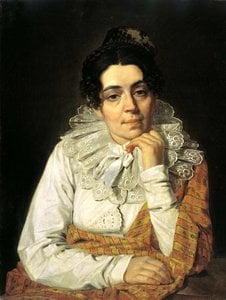
Alexei Gavrilovich Venetsianov (1780-1847): O Pioneiro da Vida Camponesa na Arte Russa
- Nascimento: Moscou, Rússia, 1780
- Falecimento: 1847
Alexei Gavrilovich Venetsianov ergue-se como uma figura fundamental na história da arte russa, celebrado por suas representações inovadoras da vida camponesa e das experiências cotidianas do povo comum. Nascido em uma família de mercadores de ascendência grega em Moscou, sua jornada artística foi marcada tanto por lutas pessoais quanto por contribuições significativas para o desenvolvimento de um estilo nacional distintamente russo.
Juventude e Desenvolvimento Artístico
- Início da Carreira: Venetsianov inicialmente buscou uma carreira no serviço civil antes de se dedicar inteiramente à arte. Ele mudou-se para São Petersburgo, onde iniciou seus estudos copiando obras da coleção do Hermitage e aperfeiçoando sua técnica em retratística.
- A Influência de Borovikovsky: Um período crucial em seu desenvolvimento envolveu o aprendizado sob a tutela de Vladimir Borovikovsky, um dos principais retratistas russos da época. Viver na casa de Borovikovsky proporcionou um treinamento inestimável e uma exposição profunda às práticas artísticas estabelecidas.
- Dificuldades Iniciais: Apesar de demonstrar grande talento, Venetsianov enfrentou dificuldades para garantir encomendas como retratista autônomo, evidenciando os desafios que os artistas encontravam fora das instituições acadêmicas formais.
- Reconhecimento Acadêmico: Em 1811, ele alcançou o reconhecimento da Academia de Artes, sendo agraciado com o título de Acadêmico por seu autorretrato e um retrato de K.I. Golovachevsky e seus alunos mais jovens. Este marco representou um passo decisivo em sua trajetória profissional.
A Transição para as Cenas Rurais e a Fundação de sua Própria Escola
- Dedicação à Arte: Em 1819, Venetsianov comprometeu-se decisivamente com a arte, deixando o serviço civil e adquirindo uma aldeia chamada Safonkovo, onde se estabeleceu. Este momento marcou uma virada profunda em seu foco artístico.
- Observação da Natureza e da Vida Rural: A vida em Safonkovo permitiu-lhe acesso direto à paisagem rural e às comunidades camponesas que se tornariam temas centrais de sua obra. Ele observou e retratou meticulosamente cenas da natureza e do cotidiano, capturando a essência da Rússia do século XIX.
- A Representação Pioneira da Vida Camponesa: Venetsianov é amplamente reconhecido como o primeiro artista russo a retratar sistematicamente a vida camponesa com tamanha autenticidade e sensibilidade. Suas obras foram além de representações romantizadas ou idealizadas, oferecendo um vislumbre realista do mundo deles.
- A Criação de uma Escola de Arte: A partir da década de 1820, Venetsianov começou a atrair jovens de origens humildes, incluindo servos como Grigory Soroka, para ensiná-los pintura. Isso levou ao estabelecimento de sua própria escola informal de pintura, um testemunho de seu compromisso em nutrir talentos artísticos e promover a acessibilidade à educação artística.
- Patrocínio Real: O Czar Nicolau I reconheceu a contribuição de Venetsianov para as tendências nacionais na arte e o nomeou pintor da corte, fornecendo apoio financeiro crucial para sua escola.
Obras Principais e Estilo Artístico
- Obras Notáveis: O conjunto da obra de Venetsianov inclui inúmeras peças significativas, tais como "Retrato de uma Camponesa", "O Ceifador na Eira", "Uma Camponesa com Centáureas", "Primavera em Terra Arada", "Verão, a Colheita", "Zakharka", "Menina com Xale Xadrez", "Menina com o Bezerro", "Adivinhação", "Filho do Agricultor com Leite" e "Ama de Leite com uma Criança".
- Estilo Realista: Seu estilo é caracterizado pelo realismo, atenção aos detalhes e uma representação naturalista da luz e da sombra. Ele utilizava uma abordagem de observação direta, capturando as texturas das vestimentas, as expressões faciais e as nuances das paisagens rurais.
- Influência do Barroco: Embora seja primariamente conhecido por suas descrições realistas, o trabalho de Venetsianov também revela influências do período Barroco, particularmente no uso de iluminação dramática e na textura do impasto (como visto em "Cabeça de um Velho Camponês").
Legado e Significância Histórica
- Fundação do Realismo Russo: O foco pioneiro de Venetsianov na vida camponesa lançou as bases para o desenvolvimento do realismo russo na arte. Sua obra abriu caminho para gerações posteriores de artistas que buscaram retratar as realidades sociais com honestidade e empatia.
- Identidade Nacional: Ao retratar as vidas e lutas dos russos comuns, Venetsianov contribuiu significativamente para a formação de uma identidade nacional distinta na arte russa.
- Um Fim Trágico: Sua vida foi tragicamente interrompida em 1847, quando sua carruagem tombou em um acidente. Apesar de sua carreira relativamente breve, seu impacto na arte russa permanece profundo e eterno.
Perguntas e Respostas
Como posso encontrar todas as obras de Alexey Venetsianov em uma determinada técnica?
Para encontrar todas as obras de Alexey Venetsianov em um determinado meio, utilize a página de Todos os Meios do artista.
Onde posso ver as obras de Alexey Venetsianov em uma galeria 3D?
As obras de Alexey Venetsianov podem ser visualizadas em uma galeria 3D na página Museu 3D do artista.
De onde é Alexey Venetsianov?
Alexey Venetsianov nasceu em Rússia.
Que sentimentos as obras de Alexey Venetsianov expressam?
A página de Sala de Humor do artista mostra as obras de Alexey Venetsianov organizadas por sua atmosfera.
Onde posso ver todas as obras de Alexey Venetsianov?
Todas as obras de Alexey Venetsianov no este site podem ser visualizadas na página de Todas as Obras de Arte do artista.
Onde estão as obras de Alexey Venetsianov agrupadas por paleta?
Para encontrar obras de Alexey Venetsianov em uma paleta específica, utilize a página de Por Paletas do artista.
Posso explorar as obras de Alexey Venetsianov por espectro de cores?
As obras de Alexey Venetsianov podem ser exploradas por cor na página Índice Espectral do artista.
Quantas obras de Alexey Venetsianov estão disponíveis para visualização?
Você pode explorar 90 obras de arte obras de Alexey Venetsianov na página Todas as Obras de Arte.