Anuncie
x
Visualizar em escalaVisualizar em escala Visualizar em RAVisualizar em RA Encomendar impressão Encomendar impressãoComprar imagem em alta resolução Comprar imagem em alta resolução EnviarEnviar
Ver detalhesVer detalhes Adicionar aos favoritos Adicionar aos favoritos BaixarBaixar SemelhantesSemelhantes Raio XRaio X Apresentação de slidesApresentação de slides

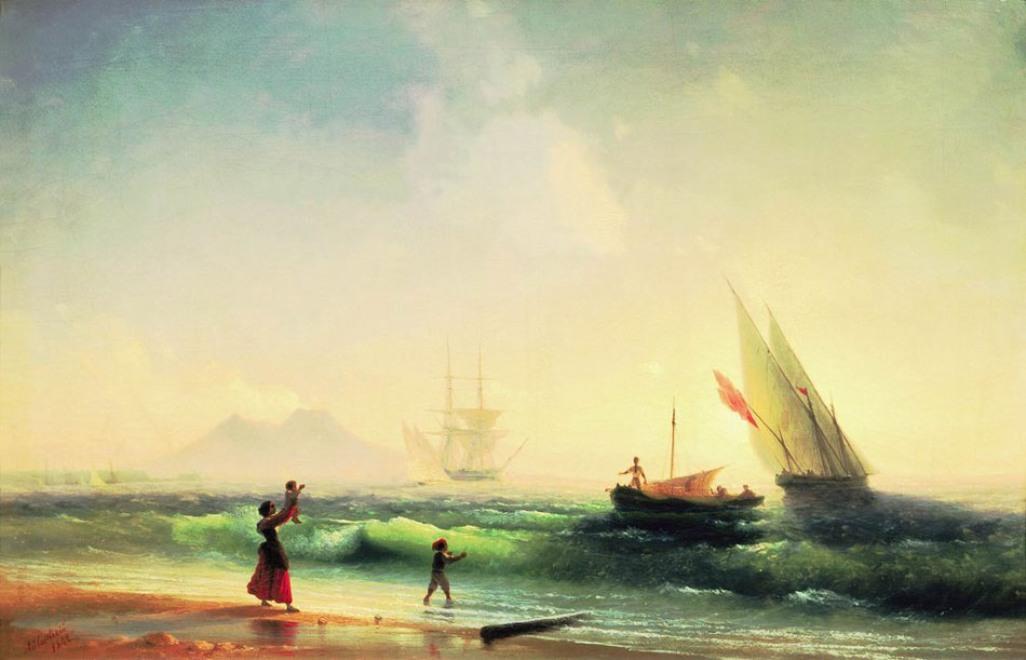
Encontro de pescadores na costa da baía de Nápoles

Experimente a obra-prima de Ivan Aivazovsky – 'Encontro de Pescadores na Costa da Baía de Nápoles'. Explore seu estilo Romântico, cores vibrantes e representação serena na Galeria Tretyakov.

Ivan Aivazovsky: Mestre da arte marinha russa, capturou a alma do oceano com pinceladas vibrantes e emoção romântica. Suas paisagens e batalhas evocam o poder e a beleza dos mares.

Reprodução em Óleo Feita à Mão

Óleo sobre tela pintado à mão no seu tamanho e moldura, feito sob encomenda pelos nossos artistas. (Encomendar impressão Encomendar impressãoComprar imagem em alta resolução Comprar imagem em alta resolução)

P118B $10
P118H $10
P118W $10
P438Z $10
P508JH $12
P508YH $12
P805H $10
P805Z $10
P919BZ $10
P919G $10
P919XJ $10
P959ZH $10
P968JZ $12
W106C $8
W218G $10
W218JH $8
W218Y $10
W307PJ $10
W316G $10
W316PJ $8
W316Y $10
W398PJ $8
W4111J $10
W500HY $15
W500JH $15
W692G $12
W849H $8
W940BG $15
W953PJ $8

Standard
custom
CM
INCH

Escolha entre os nossos tamanhos pré-definidos que respeitam as proporções originais da obra de arte.

largura
altura

Pode inserir as suas próprias dimensões para se adequar a uma moldura ou espaço específico. Se o tamanho selecionado não corresponder às proporções da imagem original, iremos cortar a obra de arte ou estender a pintura com elementos adicionais pintados à mão. Um esboço digital será enviado para sua aprovação antes do início da produção.
Tenha em atenção que a pré-visualização no ecrã não reflete o corte ou extensão real. Apenas o esboço mostrará com precisão a composição final.
Embora tamanhos personalizados estejam disponíveis, recomendamos selecionar uma dimensão da lista predefinida para preservar as proporções originais.

Exemplos do que pode ser personalizado: Substituir o rosto pela foto do cliente; Adicionar um animal de estimação (ex: substituir gato por cão); Incluir uma mensagem oculta no fundo; Alterar a paisagem ou elementos do fundo.
Após o pedido, a equipa WahooArt.com enviará um e-mail ao cliente para solicitar instruções e fornecer uma prévia do esboço.

Entrega mundial () em 3 a 4 semanas, em vez das 5 semanas padrão. (18 Agosto). Sem comprometer a qualidade.

why_choose_icon
Envio Expresso Gratuito para todo o Mundo
why_choose_icon
Tela de Linho Premium
why_choose_icon
Seguro de transporte total
why_choose_icon
Garantia de Reembolso de Impostos Alfandegários
why_choose_icon
Garantia de Fidelidade de Cor
why_choose_icon
Política de Devolução de 60 Dias (Apenas para Defeitos)
why_choose_icon
Garantia de reembolso de 100%
why_choose_icon
Desconto para múltiplas unidades

Preço Total

$ 272

reproduction

Encontro de pescadores na costa da baía de Nápoles

Técnica de Reprodução

Dimensões da Reprodução

-

Preço Total

$ 272

Detalhes Rápidos

  • Movement: Romanticism
  • Notable elements or techniques: Dramatic lighting; Detailed depiction of boats and seascape
  • Medium: Oil on canvas
  • Influences: European Romantic Painting
  • Dimensions: 58 x 85 cm
  • Subject or theme: Coastal Scene; Fishing Activity
  • Year: 1842

Teste de Conhecimentos Artísticos

Cada pergunta possui apenas uma resposta correta.

Questão 1:
What is the artist Ivan Aivazovsky known for?
Questão 2:
In which gallery is “Meeting of a Fishermen on Coast of the Bay of Naples” currently housed?
Questão 3:
What artistic style characterizes Aivazovsky's work in this painting?
Questão 4:
Approximately how large is the canvas measuring “Meeting of a Fishermen on Coast of the Bay of Naples”?
Questão 5:
What prominent feature contributes to the serene atmosphere depicted in “Meeting of a Fishermen on Coast of the Bay of Naples”?

Descrição da Obra

Uma Sinfonia de Azul: Explorando “O Encontro de Pescadores” de Ivan Aivazovsky

A obra "O Encontro de Pescadores na Costa da Baía de Nápoles", concluída em 1842 pelo pintor romântico russo Ivan Konstantinovich Aivazovsky, não é meramente a representação de um cenário à beira-mar; é uma experiência imersiva — um testemunho da habilidade inigualável de Aivazovsky em traduzir emoção para a tela. Situado na coleção da Galeria Tretyakov, em Moscou, este monumental óleo sobre tela (58 x 85 cm) transcende a simples observação, convidando os espectadores para um reino de serenidade palpável, entrelaçada com um drama latente.

A Visão Romântica: Luz e Atmosfera

A aliança estilística de Aivancovsky, firmemente enraizada no Romantismo — um movimento que prioriza o sentimento sobre a razão — é imediatamente evidente. Ele evita o realismo meticuloso em favor de uma paleta luminosa dominada por tons de azul-celeste e cerúleo, capturando com maestria a qualidade etérea do crepúsculo sobre a Baía de Nápoles. O artista emprega a perspectiva atmosférica com precisão magistral, sobrepondo matizes para conferir profundidade e criar uma ilusão de espaço infinito. Note como a luz solar difusa projeta sombras longas pela praia, sugerindo sutilmente uma tensão subjacente na cena — uma tensão belamente contrastada pela extensão tranquila das águas.

Uma Cena Congelada no Tempo: Composição e Narrativa

A própria composição é deliberadamente equilibrada, guiando o olhar ao longo de uma linha diagonal a partir da figura central que caminha em direção à borda direita da tela. Três barcos pontuam a paisagem marítima, conferindo dinamismo à cena enquanto reforçam simultaneamente seu senso de ordem. O próprio pescador — um homem solitário carregando um guarda-chuva — representa a resiliência e a contemplação em meio à grandiosidade da natureza. Seu olhar é direcionado para o horizonte, sugerindo uma conexão com algo maior que si mesmo — talvez reconhecendo a imensidão do mar e seu poder duradouro.

Simbolismo Sob a Superfície

Além de sua beleza estética, “O Encontro de Pescadores” ressoa com um significado simbólico profundo. O guarda-chuva serve como uma metáfora visual para a proteção — tanto física quanto psicológica — contra as incertezas da vida. Além disso, os pescadores personificam a perseverança e a tradição, representando o envolvimento contínuo da humanidade com o mundo natural. O mar calmo contrasta fortemente com o céu turbulento, simbolizando a dualidade inerente à existência: a beleza ao lado do perigo; a paz pontuada por momentos de agitação.

Ressonância Emocional: Capturando o Sublime

Em última análise, Aivazovsky consegue transmitir uma resposta emocional profunda — o sublime. Este conceito, defendido por Edmund Burke e Johann Gottfried Herder, descreve experiências que inspiram temor e admiração simultaneamente, elevando a consciência além da percepção comum. A pintura não apenas retrata o que é visto; ela evoca o que é sentido — um senso de maravilhamento misturado com melancolia, provocando uma contemplação sobre a natureza fugaz da beleza e o legado duradouro do esforço humano. Permanece como uma obra-prima inesquecível, continuando a cativar o público séculos após sua criação.

Exploração Adicional: O Legado de Ivan Aivazovsky

Para mergulhar mais profundamente na jornada artística de Aivazovsky, considere visitar Ivan Aivazovsky: Stormy Sea e Ivan Aivazovsky: Seashore no WahooArt. Estas obras exemplificam seu estilo romântico e demonstram seu domínio magistral da luz e da cor — elementos que também definem “O Encontro de Pescadores”. Descobrir o rico patrimônio cultural da Rússia em The Museum of Russian Art no WahooArt oferece uma visão inestimável sobre o contexto mais amplo da vida e da produção artística de Aivazovsky.



Biografia do Artista

A Life Embraced by the Waves

Ivan Konstantinovich Aivazovsky, born Hovhannes Aivazian in 1817, was more than a painter of seascapes; he was a conduit to the ocean’s soul. His very existence seemed inextricably linked to the Black Sea—a vast, unpredictable expanse that would forever dominate his artistic vision and fuel an extraordinary career spanning nearly six decades. Born in the Crimean port city of Feodosia, Aivazovsky didn't merely observe the sea; he felt it – its raw energy, sublime beauty, and inherent danger becoming the very essence of his art. From a young age, this connection was nurtured, initially by local architect Jacob Koch who recognized the boy’s talent, then blossoming within the rigorous academic environment of the Imperial Academy of Arts in Saint Petersburg. Yet, formal training alone couldn't account for the depth of Aivazovsky’s understanding; it was the constant presence of salt-laced air and the cries of gulls that truly shaped his artistic sensibility. His Armenian heritage also played a significant role, as he was baptized at the St. Sargis Armenian Church in Feodosia and maintained strong cultural ties throughout his life, occasionally incorporating Armenian themes into his expansive body of work.

The Early Years and Artistic Foundations

Aivazovsky’s early years were steeped in the maritime traditions of Feodosia, a bustling port city with deep roots in trade and seafaring. His family, of Armenian descent, had migrated from Western Armenia to Crimea centuries earlier, establishing themselves as merchants and artisans. This exposure to the sea—the ships, the sailors, the rhythms of coastal life—proved formative, shaping his artistic sensibilities long before he entered the formal training of the Imperial Academy of Arts in Saint Petersburg. There, he honed his skills under the tutelage of established masters, mastering techniques of perspective, composition, and color theory. However, Aivazovsky’s unique vision extended beyond traditional academic principles. He sought to capture not just the *appearance* of the sea, but its very *spirit*, its power, and its emotional resonance. This desire for authenticity led him to spend countless hours observing the Black Sea firsthand, sketching scenes from memory, and immersing himself in the sensory experience of the maritime world. His early works, often depicting coastal towns and harbors, demonstrated a remarkable ability to capture light and atmosphere—qualities that would become hallmarks of his mature style.

The Italian Interlude: Refining the Vision

In the early 1840s, Aivazovsky embarked on a transformative journey to Italy, a period considered crucial in the development of his artistic voice. He spent several months exploring the landscapes and light of Venice, Florence, Naples, and Rome, absorbing the techniques of Italian masters such as Canaletto and Turner. This immersion in a new artistic environment broadened his horizons, allowing him to experiment with different color palettes, brushstrokes, and compositional approaches. The vibrant colors and dramatic lighting of the Italian landscape profoundly influenced his work, adding a richness and intensity that characterized many of his later seascapes. He began to incorporate elements of Romanticism into his paintings—a heightened sense of emotion, an emphasis on nature’s power, and a fascination with sublime landscapes. It was during this period that he developed his signature style: loose brushstrokes, vibrant colors, and a dynamic use of light and shadow to convey the movement and energy of the sea.

Service to the Russian Navy and Artistic Recognition

Upon returning to Russia in 1844, Aivazovsky’s artistic talents quickly gained recognition. He was appointed as the main painter of the Russian Navy—a position that provided him with unparalleled access to naval life, ship battles, and firsthand observation of maritime activity. This appointment not only secured his financial stability but also profoundly influenced his work, leading to a series of powerful paintings depicting naval engagements, such as *The Battle of Navarino* (1846), a monumental depiction of the pivotal 1827 battle that effectively ended the Ottoman Empire’s dominance in the Eastern Mediterranean. His depictions were not merely historical records; they were imbued with a sense of drama, heroism, and the raw power of naval warfare. Aivazovsky's work became synonymous with Russian naval prowess, solidifying his reputation as one of Russia’s greatest artists. He continued to serve the Navy for decades, producing countless paintings that celebrated the nation’s maritime achievements.

A Legacy of Seascapes: Style and Influence

Ivan Konstantinovich Aivazovsky's artistic legacy is primarily defined by his extraordinary seascapes—paintings that capture the essence of the ocean with unparalleled skill and emotional depth. His technique involved layering thin washes of paint to create luminous effects, capturing the shimmering play of light on the waves and seafoam. He was a master of atmospheric perspective, creating a sense of distance and depth through subtle variations in color and tone. Aivazovsky’s paintings are characterized by their dynamic compositions, vibrant colors, and evocative mood—a blend of realism and Romanticism that continues to captivate viewers today. His influence on subsequent generations of Russian landscape painters is undeniable, establishing a new standard for depicting the sea as both a powerful force of nature and a source of sublime beauty. Works like *The Ninth Wave* (1850), with its depiction of a devastating shipwreck, remain iconic examples of his artistic vision—a testament to his ability to convey both terror and awe through his art. His paintings are exhibited in museums worldwide, ensuring that the legacy of this remarkable artist will endure for generations to come.
  • Key Characteristics: Loose brushstrokes, vibrant colors, dynamic compositions, atmospheric perspective, evocative mood.
  • Notable Works: *The Ninth Wave*, *Battle of Navarino*, *Seascape with Full Moon*.
  • Historical Significance: Aivazovsky’s paintings helped to shape the image of Russia as a major naval power and influenced generations of Russian artists.
Ivan Aivazovsky

Ivan Aivazovsky

1817 - 1900 , Ucrânia

Informações Rápidas

  • Artistic Movement Or Style: Romantismo, Arte Marinha
  • Artists Or Movements Influenced By This Artist: Pintura Romântica Russa
  • Artists Who Influenced This Artist: Pintura de paisagens russas
  • Date Of Birth: 1817
  • Date Of Death: 1900
  • Full Name: Ivan Konstantinovich Aivazovsky
  • Nationality: Russo-Armênio
  • Notable Artworks:
    • Oitava Onda
    • Navio em Tempestade
    • Paisagem com Lua Cheia
  • Place Of Birth: Feodosia, Rússia
Explore obras de arte organizadas por temas, estilos e características.