Consultoria de arte gratuita

x
Comprar impressão Comprar impressãoEncomendar pintura Encomendar pintura EnviarEnviar
DetalhesDetalhes Adicionar aos favoritos Adicionar aos favoritos BaixarBaixar SemelhantesSemelhantes Raio XRaio X SlideshowSlideshow

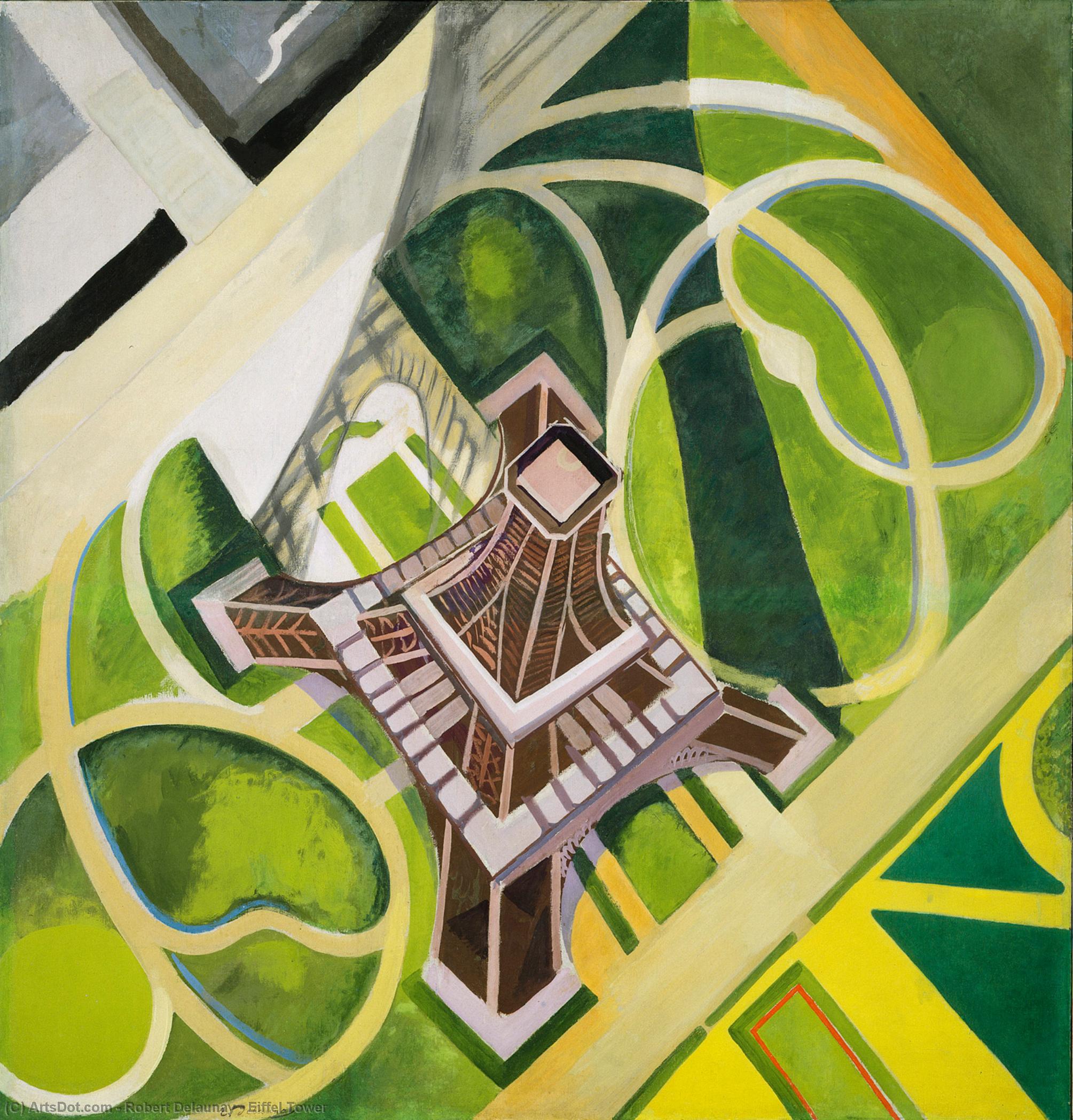
Eiffel Tower

A Pioneer of Abstract Color: The Life and Art of Robert Delaunay Delaunay wasn’t merely interested in *representing* the world; he sought to capture its very essence through a vibrant language of geometric shapes and luminous hues, co-founding the Orphism movement with his wife, Sonia Delaunay, and others who shared their vision. His early life was marked by a degree of instability – his parents

Robert Delaunay (1885-1941): pioneiro do Orfismo e Cubismo! Explore suas vibrantes pinturas abstratas, como a Torre Eiffel, e descubra sua influência na arte moderna.

Adquira uma imagem digital de alta resolução e aprimorada, muito superior à prévia online.

Cada arquivo é meticulosamente preparado por nossos especialistas internos, utilizando ferramentas avançadas e retoques manuais de alta precisão. Garantimos que cada imagem apresente clareza excepcional, fidelidade de cores e detalhes minuciosos.

O arquivo final é entregue por e-mail em até 72 horas, otimizado para uso imediato em ambientes profissionais, editoriais e de impressão. Esta é a mesma qualidade utilizada por estúdios de design de alto nível, editoras e galerias.

Imagem Digital

Baixe um arquivo de alta resolução para exibição pessoal, impressão e projetos criativos.

Preço Total

$9.99

Incluído em cada pedido de imagem digital

Entrega Digital Especializada, Garantida

Ao escolher o WahooArt.com, você não está apenas recebendo uma imagem — você está recebendo uma obra de arte digital profissionalmente aprimorada, elaborada com precisão e com garantia de satisfação. Aqui está tudo o que acompanha seu pedido, automaticamente:

shipping_icon
Entrega rápida por e-mail

O seu arquivo de imagem digital em alta resolução será enviado por e-mail em até 72 horas após o pedido — pronto para uso imediato.

canvas_icon
Arquivo Digital com IA

Sua obra de arte é otimizada profissionalmente por meio de ferramentas avançadas de IA e edição manual, garantindo o máximo de detalhes, clareza e precisão de cores.

insurance_icon
Reenvio Gratuito Vitalício

Apagou ou perdeu o seu ficheiro acidentalmente? Não se preocupe – nós reenviamos para si a qualquer momento, gratuitamente.

tax_icon
Sem Taxas de Importação - Sempre

Desfrute da sua obra de arte instantaneamente, sem taxas alfandegárias, impostos ou custos de entrega — downloads digitais são sempre isentos de taxas.

color_icon
Garantia de Precisão de Cores

Garantimos que sua imagem digital reflita as cores originais com a maior fidelidade possível, utilizando ferramentas profissionais e gerenciamento de cores.

return_icon
Garantia de Satisfação de 60 Dias

Se você não estiver satisfeito com sua imagem digital, nós a revisaremos ou reembolsaremos 100% dentro de 60 dias — sem perguntas.

guarantee_icon
Garantia de Reembolso 100%

Não está satisfeito? Receba o reembolso total em até 60 dias após o recebimento do seu arquivo digital — sem perguntas.

discount_icon
Descontos para pedidos em lote

Compre 3 imagens, economize 10% - Compre 5, economize 15% - Compre 10+, economize 20%. Ideal para projetos criativos, galerias e agências.

Dados Rápidos

  • Artist: Robert Delaunay
  • Movement: Orphism
  • Title: The Eiffel Tower
  • Notable elements or techniques: Geometric shapes, luminous hues
  • Medium: Painting

Teste de Arte

Cada pergunta possui apenas uma resposta correta.

Pergunta 1:
What artistic movement is Robert Delaunay associated with?
Pergunta 2:
Who collaborated with Robert Delaunay on the Orphist movement?
Pergunta 3:
What is a characteristic feature of Delaunay's painting style?
Pergunta 4:
The image description mentions swirling lines and circular motifs. What is the purpose of these elements in Delaunay's artwork?
Pergunta 5:
Robert Delaunay’s work is considered influential in the development of what broader artistic trend?

Descrição do Colecionável

A Symphony of Light and Color: Exploring Robert Delaunay’s Orphism

Robert Delaunay's contribution to modern art transcends mere visual representation; it embodies a profound philosophical shift toward capturing the intangible essence of experience itself. Born in Paris in 1885, Delaunay initially honed his skills in decorative arts before embarking on an artistic odyssey that would propel him to the forefront of the burgeoning abstract movement—specifically Orphism—a collaborative effort with his wife Sonia Delaunay. This groundbreaking style wasn’t simply about abandoning realism; it was about embracing a radical new approach to color and form, driven by influences from Cubism and Futurism but ultimately forging its own distinctive path.

The Genesis of Orphism: Influences and Innovation

Delaunay's artistic vision drew heavily from the revolutionary ideas circulating within European intellectual circles at the time. The geometric rigor of Cubism, pioneered by Picasso and Braque, provided a framework for dissecting visual perception and reconstructing images in fragmented planes—a technique that Delaunay skillfully adapted to his own aesthetic sensibilities. Simultaneously, Futurism’s fascination with speed, dynamism, and technological advancement instilled in him a desire to express movement and energy on canvas. However, unlike these movements which primarily focused on depicting objects realistically, Delaunay sought to transcend the limitations of representation altogether. He argued that color itself possessed inherent expressive power—that it could convey emotions and sensations directly, bypassing the need for detailed depiction.

Technique and Material: Embracing Luminosity

Delaunay’s distinctive technique involved layering translucent pigments onto canvases stretched over wooden frames. This method allowed him to achieve remarkable luminosity—a radiant glow that seemed to emanate from within the painted surface. He meticulously applied thin washes of color, often blending them seamlessly together, creating an illusion of depth and movement. The use of complementary colors—such as yellow and violet—was particularly prominent in his compositions, intensifying their vibrancy and generating a captivating interplay of hues. Furthermore, Delaunay experimented with innovative materials like casein emulsion, which offered superior adhesion and allowed for subtle tonal variations that would have been impossible to achieve with traditional oil paints.

Symbolism Within Abstraction: Exploring Emotional Resonance

Despite its apparent simplicity, Orphism is laden with symbolic meaning. Delaunay’s canvases aren't merely decorative; they are meditations on the nature of perception and emotion. Recurring geometric shapes—circles, squares, triangles—represent fundamental concepts such as unity, stability, and dynamism respectively. The vibrant colors themselves serve as conduits for conveying feelings of joy, passion, and spiritual awakening. Critics have interpreted Delaunay’s work as reflecting a desire to escape the constraints of bourgeois society and embrace a more liberated aesthetic—a yearning for beauty and harmony amidst the chaos of modern life.

Legacy and Influence: Shaping Modern Art

Robert Delaunay's influence extends far beyond his own lifetime, shaping the trajectory of subsequent artistic movements. His pioneering exploration of color and abstraction paved the way for Surrealism and Constructivism, demonstrating that art could communicate ideas and emotions without relying on conventional visual representations. Today, Delaunay’s paintings continue to inspire artists and designers alike, reminding us that true beauty lies not in meticulous imitation but in capturing the transformative power of imagination—a testament to his enduring legacy as one of the fathers of modern art.

Obras Relacionadas


Biografia do Artista

Robert Delaunay (1885–1941): A Pioneer of Abstract Color

Robert Delaunay, born in Paris in 1885, emerged as a pivotal figure in the radical artistic shifts of the early twentieth century. Though initially drawn to more traditional forms of painting—primarily decorative arts—his journey swiftly propelled him toward an exploration of color and light that would ultimately define his legacy and contribute significantly to the birth of abstract art. Delaunay wasn’t merely interested in *representing* the world; he sought to capture its very essence through a vibrant language of geometric shapes and luminous hues, co-founding the Orphism movement with Sonia Delaunay, and others who shared their vision. His formative years were marked by familial instability—his parents divorced when he was young—but this perhaps fostered an independent spirit that would serve him well in challenging artistic conventions. He began his artistic pursuits with a focus on Neoimpressionism, absorbing its principles of applying small, distinct dots of color to create a shimmering effect, mirroring the techniques pioneered by Claude Monet and Pierre-Auguste Renoir. However, he soon moved beyond mere replication; instead, he investigated the expressive potential of color itself—a decisive step away from Impressionistic realism.

Early Artistic Development & Influences

A crucial friendship with Jean Metzinger proved formative during this period, fostering collaborative explorations into fragmented forms and mosaic-like compositions. These early collaborations laid groundwork for their involvement in Cubism, though Delaunay would ultimately diverge from its more analytical approach—rejecting Picasso’s dissection of objects into geometric components—favoring a synthesis that prioritized dynamic arrangements of color and light. This shift culminated in the genesis of Orphism – a term coined by Guillaume Apollinaire – which aimed to create art devoid of illusion, prioritizing emotional responses through chromatic intensity. The movement's aesthetic was profoundly influenced by Michel Eugène Chevreul’s theory of simultaneous contrasts—the idea that colors interact with each other, generating new sensations and perceptions—a concept Delaunay championed as a cornerstone of his artistic philosophy.

The Eiffel Tower Series & Theoretical Contributions

Delaunay’s most iconic achievement resides in his series depicting the Eiffel Tower (1909–1911). Rather than striving for photographic accuracy, he deconstructed the monumental structure into intersecting planes and vibrant hues—a deliberate departure from Cubist conventions. As Janet M. Torpy eloquently describes, Delaunay sought to capture “the rhythm of light” rather than simply depicting its presence; he aimed to convey a sense of movement and dynamism through color alone. This approach resonated deeply with fellow artists like Paul Klee, Franz Marc, August Macke, and even Russian avant-garde movements—demonstrating Delaunay’s considerable influence on the artistic landscape of his time. Furthermore, Delaunay's groundbreaking theories about color—particularly his assertion that color possessed inherent expressive power—challenged prevailing perceptions and fueled ongoing debates within the art world. He insisted that painting was a purely visual art, independent of intellectual considerations, emphasizing the transformative potential of chromatic perception.

Later Years & Legacy

The Second World War forced Delaunay and Sonia to relocate to Spain and Portugal, where they continued their artistic endeavors amidst challenging circumstances. Despite facing hardship and illness—diagnosed with cancer—Delaunay persevered in his creative pursuits, revisiting earlier themes and experimenting with increasingly complex compositions. Notably, he undertook ambitious projects such as designing large-scale colored reliefs for the 1937 Paris International Exposition—a testament to his ability to translate his artistic vision into architectural contexts. Robert Delaunay’s untimely death in 1941 marked a profound loss for the art world, yet his legacy continues to inspire artists across disciplines. His pioneering work irrevocably altered the trajectory of abstract art, establishing foundational principles that endure to this day—a testament to the enduring power of artistic innovation and intellectual inquiry.
Robert Delaunay

Robert Delaunay

1885 - 1941 , França

Informações Rápidas

  • Artistic Movement Or Style: Orphismo, Cubismo
  • Artists Or Movements Influenced By This Artist: ['Der Blaue Reiter']
  • Artists Who Influenced This Artist:
    • Jean Metzinger
    • Paul Klee
  • Date Of Birth: 12 abril de 1885
  • Date Of Death: 25 outubro de 1941
  • Full Name: Robert Victor Felix Delaunay
  • Nationality: Francês
  • Notable Artworks:
    • Torre Eiffel
    • Contrastes Simultâneos: Sol e Lua
    • Janelas Abertas Simultaneamente
  • Place Of Birth: Paris, França