Consultoria de arte gratuita

x
Comprar impressão Comprar impressãoEncomendar pintura Encomendar pintura EnviarEnviar
DetalhesDetalhes Adicionar aos favoritos Adicionar aos favoritos BaixarBaixar SemelhantesSemelhantes Raio XRaio X SlideshowSlideshow

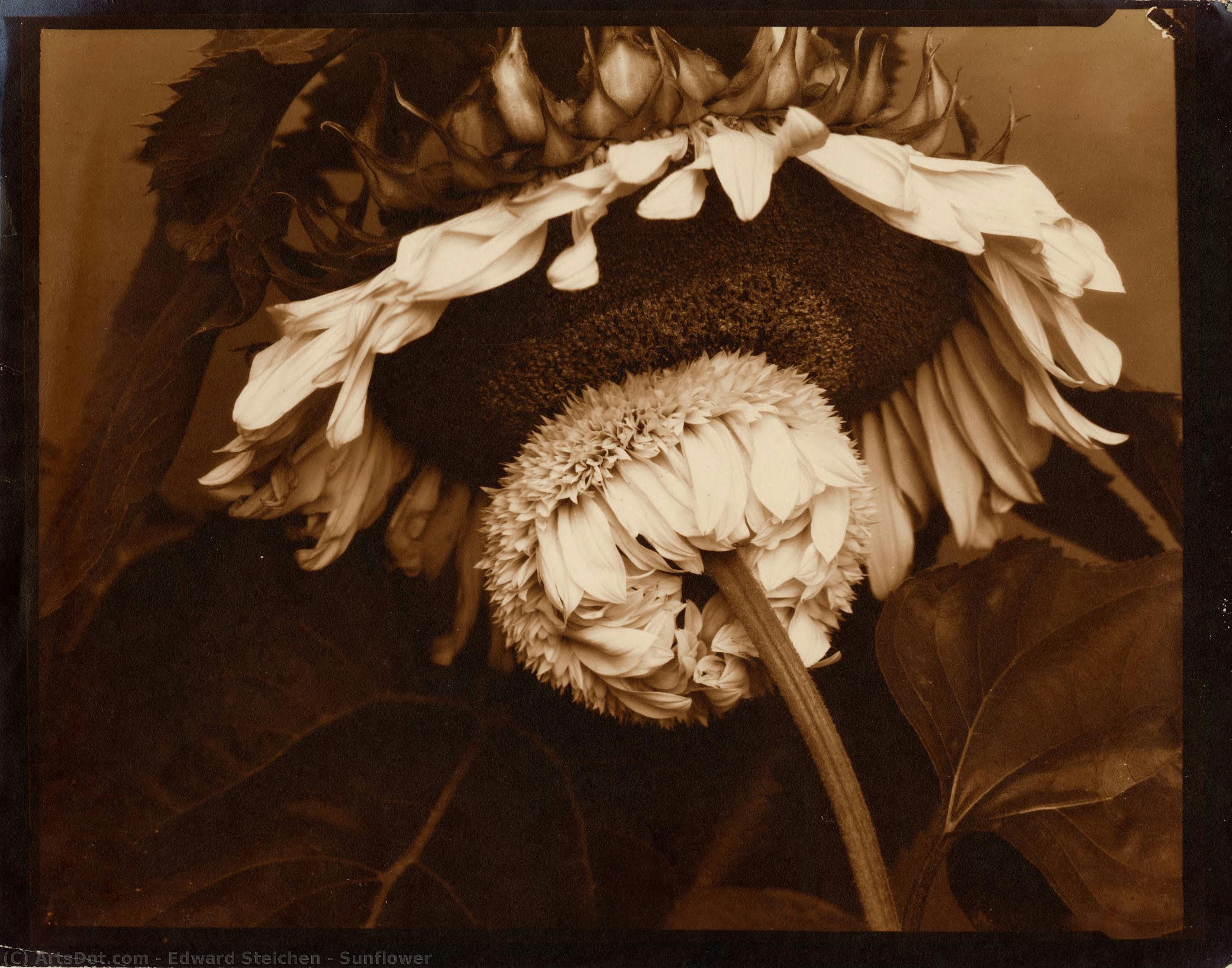
Sunflower

Edward Steichen's 'Sunflower' captures the vibrant beauty of nature with bold brushstrokes and rich colors. A stunning example of early 20th-century art, it showcases Steichen’s mastery and artistic vision.

Edward Steichen: fotógrafo inovador que revolucionou a moda e curou 'A Família da Humanidade'. Sua obra abrange Pictorialismo, fotografia direta e retratos icônicos, influenciando a arte visual do século XX.

Adquira uma imagem digital de alta resolução e aprimorada, muito superior à prévia online.

Cada arquivo é meticulosamente preparado por nossos especialistas internos, utilizando ferramentas avançadas e retoques manuais de alta precisão. Garantimos que cada imagem apresente clareza excepcional, fidelidade de cores e detalhes minuciosos.

O arquivo final é entregue por e-mail em até 72 horas, otimizado para uso imediato em ambientes profissionais, editoriais e de impressão. Esta é a mesma qualidade utilizada por estúdios de design de alto nível, editoras e galerias.

Imagem Digital

Baixe um arquivo de alta resolução para exibição pessoal, impressão e projetos criativos.

Preço Total

$9.99

Incluído em cada pedido de imagem digital

Entrega Digital Especializada, Garantida

Ao escolher o WahooArt.com, você não está apenas recebendo uma imagem — você está recebendo uma obra de arte digital profissionalmente aprimorada, elaborada com precisão e com garantia de satisfação. Aqui está tudo o que acompanha seu pedido, automaticamente:

shipping_icon
Entrega rápida por e-mail

O seu arquivo de imagem digital em alta resolução será enviado por e-mail em até 72 horas após o pedido — pronto para uso imediato.

canvas_icon
Arquivo Digital com IA

Sua obra de arte é otimizada profissionalmente por meio de ferramentas avançadas de IA e edição manual, garantindo o máximo de detalhes, clareza e precisão de cores.

insurance_icon
Reenvio Gratuito Vitalício

Apagou ou perdeu o seu ficheiro acidentalmente? Não se preocupe – nós reenviamos para si a qualquer momento, gratuitamente.

tax_icon
Sem Taxas de Importação - Sempre

Desfrute da sua obra de arte instantaneamente, sem taxas alfandegárias, impostos ou custos de entrega — downloads digitais são sempre isentos de taxas.

color_icon
Garantia de Precisão de Cores

Garantimos que sua imagem digital reflita as cores originais com a maior fidelidade possível, utilizando ferramentas profissionais e gerenciamento de cores.

return_icon
Garantia de Satisfação de 60 Dias

Se você não estiver satisfeito com sua imagem digital, nós a revisaremos ou reembolsaremos 100% dentro de 60 dias — sem perguntas.

guarantee_icon
Garantia de Reembolso 100%

Não está satisfeito? Receba o reembolso total em até 60 dias após o recebimento do seu arquivo digital — sem perguntas.

discount_icon
Descontos para pedidos em lote

Compre 3 imagens, economize 10% - Compre 5, economize 15% - Compre 10+, economize 20%. Ideal para projetos criativos, galerias e agências.

Dados Rápidos

  • Dimensions: 92.1 x 81.9 cm
  • Notable elements: Detailed brushstrokes
  • Year: 1920
  • Subject or theme: Floral still life
  • Title: Sunflower
  • Influences: Impressionism
  • Movement: Pictorialism

Teste de Arte

Cada pergunta possui apenas uma resposta correta.

Pergunta 1:
What is the primary subject of Edward Steichen’s ‘Sunflower’?
Pergunta 2:
In what year was Edward Steichen’s ‘Sunflower’ painted?
Pergunta 3:
Edward Steichen was a pioneer in which photographic genre?
Pergunta 4:
What artistic movement is Edward Steichen most associated with?
Pergunta 5:
The ‘Sunflower’ painting utilizes what technique primarily?

Descrição do Colecionável

A Luxembourgian Seed Takes Root: The Genesis of “Sunflower”

Edward Steichen’s 1920 painting, "Sunflower," isn’t merely a depiction of a flower; it's a poignant distillation of memory, displacement, and the enduring search for belonging. Born in the small, unassuming village of Bivange, Luxembourg, in 1879 – a region steeped in history and shadowed by the shifting borders of Europe – Steichen’s early life was marked by an emigration to America at just eighteen months old. This relocation, a common experience for Luxembourgers facing economic hardship, instilled within him a profound sense of rootlessness, a feeling that would subtly permeate his artistic vision throughout his career. The painting itself emerges from this context; it's not simply a botanical study but a visual echo of a past left behind, a yearning for stability amidst constant change.

Steichen’s journey to America was fueled by the hope of opportunity and a desire to escape the limitations imposed by his birthplace. He quickly immersed himself in the vibrant artistic scene of Milwaukee, Wisconsin, where he honed his skills as a lithographer and began experimenting with photography – a medium that would ultimately become his defining voice. This early exposure to both visual arts laid the groundwork for his later ability to capture light, texture, and emotion with remarkable precision.

The Pictorialist’s Palette: Technique and Style

“Sunflower” exemplifies Steichen's mastery of the pictorialist style – a movement that sought to elevate photography to the level of fine art. The painting is rendered in tempera and oil on canvas, utilizing a muted palette dominated by earthy browns, ochres, and subtle greens. These colors evoke the rich soil from which the sunflower springs, grounding the image in a sense of naturalism while simultaneously lending it an air of quiet contemplation. Steichen’s brushwork is deliberately soft and blended, creating a hazy, dreamlike quality that obscures sharp details and invites the viewer to lose themselves within the scene.

The composition itself is carefully constructed. The sunflower dominates the center of the frame, its broad petals radiating outwards in an explosion of color and form. Steichen employs a technique known as *sfumato*, borrowed from Renaissance painting, to soften edges and create a sense of atmospheric perspective. This blurring effect not only adds depth but also contributes to the painting’s overall mood of melancholy and nostalgia. The lighting is particularly noteworthy – a diffused, almost ethereal glow that seems to emanate from within the flower itself, suggesting an inner life and vitality.

Symbolism in Bloom: Memory, Displacement, and Resilience

The sunflower, as a symbol, carries layers of meaning. Historically, it has represented adoration, loyalty, and longevity – qualities that resonate deeply with Steichen’s own experiences. The flower's tendency to follow the sun is often interpreted as a metaphor for seeking guidance and direction in life, a theme particularly relevant to an artist grappling with displacement and uncertainty. The painting can be seen as a visual representation of Steichen’s own journey – his departure from Luxembourg, his struggles to find acceptance in America, and his ongoing quest for artistic fulfillment.

Furthermore, the sunflower's association with remembrance is significant. It’s often used as a symbol of mourning and remembrance, connecting to the broader context of Steichen’s life – marked by personal loss and the challenges of adapting to a new culture. Despite these hardships, however, “Sunflower” ultimately conveys a sense of resilience and hope. The flower's vibrant colors and upward-reaching form suggest an enduring spirit, a testament to the human capacity for growth and renewal.

A Legacy in Light: Steichen’s Enduring Influence

Edward Steichen’s “Sunflower” stands as a powerful example of his artistic vision – a synthesis of technique, symbolism, and personal experience. His pioneering work in photography and painting profoundly influenced generations of artists, shaping the course of modern visual culture. Today, reproductions of this evocative image continue to captivate viewers with their quiet beauty and poignant message. It serves as a reminder that even amidst displacement and hardship, there is always room for growth, remembrance, and the enduring pursuit of light.


Biografia do Artista

A Life Bridging Worlds: The Artistic Odyssey of Edward Steichen

Edward Steichen, later known as Edward Steichen, was a figure who transcended simple categorization. Born in 1879 in the small village of Bivange, Luxembourg, his life became an extraordinary journey from European roots to becoming one of America’s most influential artists – not merely as a photographer, but as a painter, curator, and visionary who reshaped how we perceive visual culture. The early years were marked by a significant relocation; in 1881, the Steichen family emigrated to Hancock, Michigan, seeking new opportunities. This move instilled in young Edward a sense of displacement and perhaps, a heightened sensitivity to observation – qualities that would profoundly shape his artistic vision. Even as a child, an innate talent for drawing was evident, nurtured by supportive parents who recognized and encouraged his creative inclinations. The pivotal moment arrived at sixteen when he received his first camera, initiating a period of largely self-directed learning through relentless experimentation. This wasn’t merely about mastering technique; it was about discovering a new language, a way to capture the world with an immediacy and intimacy previously unattainable. From Pictorialism to Modern Vision: Steichen’s Artistic Evolution Steichen's emergence coincided with the burgeoning Pictorialist movement, an attempt to elevate photography to the status of fine art. He quickly became a central figure, embracing soft focus and painterly effects to create images that evoked mood and atmosphere rather than simply documenting reality. This pursuit led him to Alfred Stieglitz, a kindred spirit who recognized Steichen’s exceptional talent. Together, they co-founded the Photo-Secession in 1902, a group dedicated to promoting photography as a legitimate art form. The publication of *Camera Work*, a highly influential photographic journal, became their platform for disseminating ideas and showcasing groundbreaking work. The establishment of the 291 gallery in New York City further cemented their influence, providing a space where avant-garde European art – Picasso, Matisse, Cézanne – was exhibited alongside photography, fostering cross-cultural dialogue and challenging conventional artistic boundaries. However, Steichen's artistic journey wasn’t one of static adherence to a single style. The upheaval of World War I proved catalytic. He abandoned the ethereal qualities of Pictorialism, embracing instead a “Straight Photography” aesthetic – characterized by sharp focus, precise detail, and an unadorned representation of reality. This shift reflected a broader cultural move towards modernity and a rejection of sentimentality in favor of clarity and directness. A Master of Many Mediums: Fashion, Film, and the Human Condition Steichen's versatility was remarkable. He didn’t confine himself to one artistic domain; he seamlessly transitioned between photography, painting, and even filmmaking. His foray into fashion photography during the 1920s and 30s revolutionized the industry. Working for *Vogue* and *Vanity Fair*, he moved beyond mere documentation of clothing to create images that were sophisticated, glamorous, and imbued with a sense of narrative. He understood how to use light, pose, and composition to convey not just style but also personality and emotion. This period established him as a pioneer in the field, setting standards for generations of fashion photographers to come. During World War II, Steichen served his adopted country by directing *The Fighting Lady* (1944), an acclaimed documentary film for the U.S. Navy that offered a visceral portrayal of aerial combat. But perhaps his most enduring legacy lies in *The Family of Man*, curated at the Museum of Modern Art in 1955. This monumental exhibition, featuring photographs from sixty-eight countries, was a powerful statement about universal human experiences – love, birth, death, joy, sorrow – transcending cultural and geographical boundaries. Recognized by UNESCO’s Memory of the World Register, it remains a testament to Steichen's belief in the unifying power of photography. Notable Works * The Pond–Moonlight (1904): A landmark Pictorialist photograph celebrated for its atmospheric depth and tonal richness; a record-breaking auction price attests to its enduring appeal. * The Flatiron (1904): Another significant early work showcasing his mastery of photographic technique and composition, also achieving a remarkable price at auction. * Portraits of Celebrities: A vast collection capturing the essence of prominent figures in art, literature, and entertainment with insightful sensitivity. * The Fighting Lady (1944): An acclaimed World War II documentary film offering a compelling glimpse into aerial combat. * The Family of Man (1955): A groundbreaking exhibition at MoMA, featuring photographs from around the globe that explored universal human experiences and earned UNESCO recognition. Legacy and Influence: A Lasting Impact on Visual Culture Edward Steichen died in 1973, leaving behind an extraordinary body of work that continues to inspire and provoke. His influence is multifaceted. He fundamentally altered perceptions of photography, elevating it from a purely technical process to a recognized art form. His pioneering work in fashion photography not only defined the aesthetic of an era but also established new standards for visual storytelling within the industry. The 291 gallery, through its championing of European modernism, played a crucial role in introducing American audiences to groundbreaking artistic movements. And *The Family of Man*, with its message of shared humanity, remains profoundly relevant in an increasingly fragmented world. His ability to seamlessly navigate between commercial and artistic pursuits demonstrated that creativity could thrive in diverse contexts. Steichen’s career was a testament to the power of experimentation, innovation, and a relentless pursuit of artistic vision. He wasn’t simply documenting the world; he was interpreting it, shaping it, and ultimately, changing how we see it.
Edward Steichen

Edward Steichen

1900 - 1973 , Luxemburgo

Informações Rápidas

  • Artistic Movement Or Style: Pictorialismo; Fotografia Direta
  • Artists Or Movements Influenced By This Artist: ['Fotografia']
  • Artists Who Influenced This Artist: ['Alfred Stieglitz']
  • Date Of Birth: 27 de março de 1879
  • Full Name: Edward Jean Steichen
  • Nationality: Americano
  • Notable Artworks:
    • O Lago – Lua Cheia
    • O Flatiron
    • Retratos de Celebridades
  • Place Of Death: West Redding, Connecticut