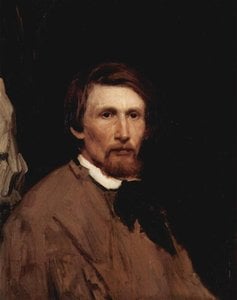
Wiktor Wasniecow, 1848 – 1926

Wiktor Wasniecow: The 100 Most Famous Paintings

Bogatyrzy (1881) is the most famous painting by Wiktor Wasniecow, held by the Galeria Tratykowa in Moskwa. A Knight At the Crossroads (1878) and Christ Almighty (1896) are the next two works the world knows best. From the 234 works of Wiktor Wasniecow in our catalogue, here are the 100 that collectors and museum visitors look at most, with the year, the museum and the story of each.

Ranking oparty na naszym wskaźniku popularności, który łączy liczbę wyszukiwań, wizyt oraz zamówień dla każdego dzieła. Aktualizacja: Październik 2026. Every masterpiece on this page can be ordered as a museum-quality, hand-painted oil reproduction or a fine art print, at the size you choose.

Portret Wiktor Wasniecow
Wiktor Wasniecow · 1848 – 1926
Urodzony · zmarł
1848 – 1926, Лыпаль
Nurt
Realism
Dzieła w naszym katalogu
234
Najsłynniejsze
Bogatyrzy (1881)
Najwięcej dzieł w
Galeria Tratykowa

Top 10: Wiktor Wasniecow's best-known paintings

Bogatyrzy (1881) autorstwa Wiktor Wasniecow
1

Bogatyrzy

1881 · Obraz olejny na płótnie · Galeria Tratykowa, Moskwa

Monumentalne płótno zatytułowane Bogatyrzy (Bohaterowie) wyłania się spod pędzla Wiktora Wasniecowa, jako dzieło, które kształtowało się przez długi okres twórczy, od 1881 do 1898 roku. W tej rozległej scenie trzej szlachetni wojownicy Rusi Kijowskiej przemierzają krajobraz, a ich obecność dominuje w otaczającej ich przestrzeni. Trwają w momencie cichej siły, jawiąc się jako strażnicy pełnej legend przeszłości. Wydaje się, że powietrze wstrzymuje oddech, gdy te postacie przemieszczają się przez wiejskie rubieże.

Christ Almighty (1896) autorstwa Wiktor Wasniecow
3

Christ Almighty

1896 · Oil

In the painting Christ Almighty by Viktor Vasnetsov, the central figure of Jesus is positioned amidst a celestial landscape. He stands upon a foundation of clouds, holding a book in his hand. His gaze is directed upward toward the sky, a posture that suggests a state of contemplation or wonder. The composition places him within a setting defined by celestial elements, including clouds and stars, which surround the figure to…

Judgement Day (1896) autorstwa Wiktor Wasniecow
4

Judgement Day

1896 · Fresco

Within the sacred walls of St. Vladimir's Cathedral in Kiev, Ukraine, the fresco Judgement Day unfolds in a grand display of spiritual narrative. This religious painting, created by the artist Viktor Vasnetsov, captures a moment of profound divine reckoning. The work emerges from a long period of creation, spanning from 1885 to 1896, as the artist poured his vision into the very architecture of the cathedral. One can feel the…

Sirin and Alkonost The Birds of Joy and Sorrow (1896) autorstwa Wiktor Wasniecow
5

Sirin and Alkonost The Birds of Joy and Sorrow

1896 · Oil On Canvas

We are looking at Sirin and Alkonost The Birds of Joy and Sorrow, a significant work by the Russian artist Viktor Vasnetsov. Painted in 1896, this piece captures a specific moment in the artist's exploration of folklore and myth. It is an oil on canvas, rendered with a scale that commands the space it occupies.

Boyan (1910) autorstwa Wiktor Wasniecow
6

Boyan

1910 · Oil

In this work, titled Boyan, we encounter a significant piece by the Russian artist Viktor Vasnetsov. Created in 1910, the painting belongs to the Romanticism style, a movement that often sought to find meaning within the depths of myth and history. Vasnetsov, a figure central to the Russian Revivalist movement, brings a specific sense of national identity to this composition through his unique approach to historical and mythological subjects.

The Last Judgement (1904) autorstwa Wiktor Wasniecow
7

The Last Judgement

1904 · Oil On Canvas

The Last Judgement is a significant work by the Russian artist Viktor Vasnetsov. Painted in 1904, this piece reflects a profound engagement with religious narrative and spiritual themes. It was commissioned by Yu. S. Nechayev-Maltsev, a patron who sought to bring this complex theological vision to life through the medium of oil on canvas.

Descent into Hell (1904) autorstwa Wiktor Wasniecow
8

Descent into Hell

1904 · Oil

The air feels heavy, thick with the scent of earth and the weight of an eternal transition. At the center of this swirling darkness, a figure moves with a quiet, divine purpose. He is a man with long hair and a beard, his presence marked by a soft halo that cuts through the gloom. He wears a simple robe, and in his hand, he carries a book or a scroll,…

God of hosts (1896) autorstwa Wiktor Wasniecow
9

God of hosts

1896 · Oil

The painting presents a central figure seated in a chair with wings, positioned as the focal point of a celestial assembly. This man, representing God the Father, is depicted with long white hair and a beard, wearing flowing white robes. On his chest, a dove is situated within a golden circle, signifying the Holy Spirit. The figure is surrounded by a multitude of angels and archangels. Some of these celestial…

Acrobats (Festival in a Paris Suburb) (1877) autorstwa Wiktor Wasniecow
10

Acrobats (Festival in a Paris Suburb)

1877 · Oil On Canvas

In the heart of a bustling Parisian suburb, amidst the flickering glow of gaslight and the scent of sawdust, Victor Vasnetsov captures a moment of breathless intensity in his masterpiece, Acrobats (Festival in a Paris Suburb). This 1877 oil painting is not merely a depiction of a circus; it is a visceral immersion into a world of movement, drama, and human emotion. The composition pulls the viewer directly into the…

The rest of the Wiktor Wasniecow ranking, 11 to 100

Ivan Zarevitsh (1880) autorstwa Wiktor Wasniecow
#12

Ivan Zarevitsh

1880 · Finnish National Gallery

The composition is vertically oriented, centering on two figures mounted upon a large wolf. They move through a dense, shadowy forest where the light is filtered through a…

Order a reproduction →
The Snow Maiden autorstwa Wiktor Wasniecow
#43

The Snow Maiden

{ "description": "Subject and Composition This captivating artwork captures a tranquil winter landscape, where a solitary young girl stands amidst a snow-blanketed terrain. Her contemplative posture and gentle…

Commission a hand-painted copy →
Lull (1881) autorstwa Wiktor Wasniecow
#46

Lull

1881

A Moment of Tranquility: Exploring Vasnetsov’s ‘Lull’ Viktor Vasnetsov’s 1881 painting, ‘Lull,’ offers a captivating glimpse into the Russian countryside. The artwork depicts a serene forested landscape centered…

Bring it home →
Russian Bishops (1896) autorstwa Wiktor Wasniecow
#49

Russian Bishops

1896

In the profound stillness of Viktor Vasnetsov’s 1896 fresco, Russian Bishops, we are invited into a sacred moment that transcends the boundaries of mere portraiture. This evocative work…

The subjects Wiktor Wasniecow painted most

The four subjects that return most often among these masterpieces, with the finest example of each.

Where to see Wiktor Wasniecow's paintings

4 muzeów, w których znajduje się najwięcej obrazów z tej strony.

Muzeum Miasto Dzieła artysty Wiktor Wasniecow Obrazy z tej listy
Galeria Tratykowa, MoskwaGaleria Tratykowa Moskwa 8 Bogatyrzy
Państwowa Galeria Sztuki Rosyjskiej w Sankt Petersburgu, Sankt PetersburgPaństwowa Galeria Sztuki Rosyjskiej w Sankt Petersburgu Sankt Petersburg 2 A Knight At the Crossroads
Kiev National Picture Gallery, KyivKiev National Picture Gallery Kyiv 2 Three princess of the Underworld
Finnish National Gallery, HelsinkiFinnish National Gallery Helsinki 1 Ivan Zarevitsh

Wiktor Wasniecow through the decades: one masterpiece for each

  1. 1860s
  2. 1870s
    A Knight At the Crossroads (1878) autorstwa Wiktor Wasniecow
    #2 of 100

    A Knight At the Crossroads

    Wiek 22 – 31 · Państwowa Galeria Sztuki Rosyjskiej w Sankt Petersburgu

    A Knight At the Crossroads is a painting by Viktor Vasnetsov. Created in 1878, the work captures a solitary figure at a point of decision. The knight sits…

  3. 1880s
    Bogatyrzy (1881) autorstwa Wiktor Wasniecow
    No. 1 of 100

    Bogatyrzy

    Wiek 32 – 41 · Galeria Tratykowa

    Monumentalne płótno zatytułowane Bogatyrzy (Bohaterowie) wyłania się spod pędzla Wiktora Wasniecowa, jako dzieło, które kształtowało się przez długi okres twórczy, od 1881 do 1898 roku. W tej rozległej…

  4. 1890s
    Christ Almighty (1896) autorstwa Wiktor Wasniecow
    No. 3 of 100

    Christ Almighty

    Wiek 42 – 51

    In the painting Christ Almighty by Viktor Vasnetsov, the central figure of Jesus is positioned amidst a celestial landscape. He stands upon a foundation of clouds, holding a…

  5. 1900s
    The Last Judgement (1904) autorstwa Wiktor Wasniecow
    Rank 7 / 100

    The Last Judgement

    Wiek 52 – 61

    The Last Judgement is a significant work by the Russian artist Viktor Vasnetsov. Painted in 1904, this piece reflects a profound engagement with religious narrative and spiritual themes.…

  6. 1910s
    Boyan (1910) autorstwa Wiktor Wasniecow
    No. 6 of 100

    Boyan

    Wiek 62 – 71

    In this work, titled Boyan, we encounter a significant piece by the Russian artist Viktor Vasnetsov. Created in 1910, the painting belongs to the Romanticism style, a movement…

  7. 1920s

Wiktor Wasniecow's paintings: frequently asked questions

What is the most famous Wiktor Wasniecow painting?Show the answer

Bogatyrzy (1881), Galeria Tratykowa, Moskwa. Next come A Knight At the Crossroads (1878) and Christ Almighty (1896).

At what age did Wiktor Wasniecow paint Bogatyrzy?Show the answer

33 years old: Bogatyrzy dates from 1881 and Wiktor Wasniecow was born in 1848.

Which are the 10 most famous Wiktor Wasniecow paintings?Show the answer

Bogatyrzy, A Knight At the Crossroads, Christ Almighty, Judgement Day, Sirin and Alkonost The Birds of Joy and Sorrow, Boyan, The Last Judgement, Descent into Hell, God of hosts i Acrobats (Festival in a Paris Suburb). The ranking above gives the year and the museum of each.

How many paintings by Wiktor Wasniecow are there?Show the answer

Our catalogue lists 234 works by Wiktor Wasniecow, dated from 1867 to 1926.

Where can I see the most famous Wiktor Wasniecow paintings?Show the answer

Most of them are in Galeria Tratykowa (Moskwa), Państwowa Galeria Sztuki Rosyjskiej w Sankt Petersburgu (Sankt Petersburg) i Kiev National Picture Gallery (Kyiv). The table above lists the museums one by one.

In which period did Wiktor Wasniecow paint the best-known works?Show the answer

In 1880s: 39 of the 100 works on this page date from then, among them Bogatyrzy.

What is the earliest famous Wiktor Wasniecow painting, and the latest?Show the answer

The earliest on this page is Russian proverbs and sayings (1867), the latest Flying carpet (1926).

What subjects did Wiktor Wasniecow paint?Show the answer

Men (18), Women (16) i Portraits (14), among the 100 works on this page.

What did Wiktor Wasniecow paint on, and with what?Show the answer

Oil On Canvas: 5 of the 100 works on this page.

Which movement does Wiktor Wasniecow's art belong to?Show the answer

Realism, as the paintings on this page show.

Where can I buy a Wiktor Wasniecow reproduction?Show the answer

Yes. Every painting on this page can be ordered as a museum-quality, hand-painted oil reproduction or a fine art print, in the size you choose, from the painting's own page.

Wiktor Wasniecow: biography

Viktor Vasnetsov: The Soul of Russian Myth and Legend

Viktor Mikhaylovich Vasnetsov, a name synonymous with the vibrant heart of Russian art, was more than just a painter; he was a conduit to the nation’s soul. Born in 1848 in the remote village of Vyatka – now Kirov – into a family steeped in both religious tradition and artistic sensibility, his journey from humble beginnings to becoming one of Russia's most celebrated artists is a testament to his unwavering passion and unique vision. His life was inextricably linked to the rich tapestry of Russian folklore, mythology, and historical epics, themes that would dominate his oeuvre and forever cement his place in the nation’s cultural identity.

Vasnetsov’s early years were shaped by a profound connection to his father, a priest and an amateur painter. This familial influence ignited within him a nascent appreciation for visual arts, leading him initially towards theological studies at the Vyatka Seminary. However, a deep-seated desire to translate the world around him onto canvas ultimately steered him away from the path of the clergy, toward the captivating realm of artistic expression. His enrollment in the Imperial Academy of Arts in St. Petersburg marked a pivotal moment, exposing him to a diverse community of artists and fostering his burgeoning talent.

The Awakening of a Romantic Vision

Vasnetsov’s early works demonstrated a clear inclination towards realism, mirroring the stylistic trends of the Peredvizhniki (Wanderers) movement – a group dedicated to portraying the lives of ordinary Russians. These paintings offered poignant glimpses into peasant life and rural landscapes, imbued with an undeniable sense of empathy and social awareness. Yet, it was during the late 1870s that Vasnetsov’s artistic trajectory underwent a dramatic transformation. He became utterly captivated by the world of Russian folklore, specifically the *byliny* – epic tales brimming with heroic deeds, fantastical creatures, and profound moral lessons.

This shift wasn't merely stylistic; it represented a deep immersion in Russia’s cultural heritage. Vasnetsov sought to capture the essence of these ancient narratives, imbuing them with a sense of timelessness and spiritual resonance. He drew inspiration from artists like Isaak Levitan, known for his evocative landscapes, and Ivan Aivazovsky, celebrated for his dramatic seascapes, but ultimately forged a distinctive style that blended realism with elements of fantasy and symbolism – a unique blend that would become the hallmark of his artistic identity.

Legends Brought to Life

Vasnetsov’s most enduring legacy rests upon his masterful depictions of Russian fairy tales, folklore, and historical events. Works such as A Knight at the Crossroads (1880-1883), a monumental painting depicting a heroic warrior confronting fate, quickly became iconic symbols of Russian strength and resilience. The series of paintings known collectively as Bogatyrs (Three Warriors) – completed between 1898 and 1902 – remains perhaps his most celebrated achievement, capturing the grandeur and spirit of these legendary heroes with breathtaking detail and emotional depth. Other notable works include Alyonushka (1883), a poignant tale of a young girl’s suffering, and Ivan Tsarevich Riding the Grey Wolf (1889), a visually stunning depiction of a fantastical adventure.

Beyond these individual masterpieces, Vasnetsov's artistic influence extended to his designs for St. Vladimir’s Cathedral in Kyiv, a monumental undertaking that showcased his architectural vision and his ability to seamlessly integrate art with structure. His recurring themes – heroism, spirituality, national identity, and the mystical power of nature – resonated deeply within Russian society, contributing significantly to the burgeoning Russian Revivalist movement.

A Legacy Forged in Myth and Memory

Viktor Vasnetsov’s contribution to Russian art transcends mere aesthetic beauty. He played a crucial role in reviving interest in Russia's rich cultural heritage, fostering a renewed appreciation for folklore, mythology, and historical narratives. His work served as a powerful symbol of national identity, embodying the spirit and imagination of the Russian people. His artistic style, characterized by its vibrant colors, dynamic compositions, and evocative symbolism, profoundly influenced subsequent generations of artists, shaping the course of Russian art into the 20th century. Vasnetsov’s legacy continues to inspire awe and admiration, reminding us of the enduring power of myth, legend, and the human spirit.

Vasnetsov died in Moscow on July 23, 1926, leaving behind a vast body of work that remains a cornerstone of Russian art history. His paintings are not merely representations of stories; they are windows into the soul of Russia – a nation steeped in tradition, mythology, and an unwavering belief in the power of heroism and beauty.

Wszystkie 234 dzieła artysty Wiktor Wasniecow →