

Najsłynniejszym obrazem Albert André jest House in the Olive Trees (1897), znajdujący się w The Phillips Collection w Waszyngton. Wraz z Woman Reading Before Window (1903) i Lemons and Tangerines (1913) tworzy to zestaw trzech dzieł, które zna każdy. Nasz katalog zawiera 27 dzieł autorstwa Albert André; poniższych 27 to te, na które świat patrzy najczęściej – każde z podaniem roku powstania, muzeum, w którym się znajduje, oraz uzasadnieniem jego znaczenia.
Ranking oparty na naszym wskaźniku popularności, który łączy liczbę wyszukiwań, wizyt oraz zamówień dla każdego dzieła. Aktualizacja: Październik 2026. Każde arcydzieło na tej stronie można zamówić jako ręcznie malowaną reprodukcję olejną o jakości muzealnej lub jako wysokiej jakości wydruk artystyczny, w wybranym przez Ciebie rozmiarze.


Cztery tematy najczęściej powracające w tych arcydziełach, wraz z najdoskonalszym przykładem każdego z nich.
2 muzeów, w których znajduje się najwięcej obrazów z tej strony.
| Muzeum | Miasto | Dzieła artysty Albert André | Obrazy z tej listy |
|---|---|---|---|
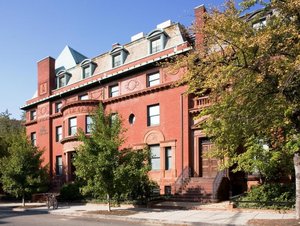 The Phillips Collection |
Waszyngton | 7 | House in the Olive Trees, Lemons and Tangerines, The Concert |
 Art Institute of Chicago |
Chicago | 3 | Woman Reading Before Window, Place des Batignolles, Paris, By the Sea, Dieppe |


House in the Olive Trees (1897), The Phillips Collection, Waszyngton. Następnie pojawiają się Woman Reading Before Window (1903) oraz Lemons and Tangerines (1913).
28 lat: House in the Olive Trees pochodzi z 1897, a Albert André urodził(a) się w 1869.
House in the Olive Trees, Woman Reading Before Window, Lemons and Tangerines, Young woman sewing, (1913), Place des Batignolles, Paris, By the Sea, Dieppe, The Concert, Woman sewing, (1925), The Terrace at Laudun i Renoir in His Studio. Powyższy ranking zawiera rok oraz muzeum dla każdego z nich.
Nasz katalog obejmuje 27 dzieł autorstwa Albert André, datowanych od 1893 do 1921.
Większość z nich znajduje się w The Phillips Collection (Waszyngton) i Art Institute of Chicago (Chicago). Powyższa tabela zawiera listę muzeów po kolei.
W okresie 1910s: 5 z 27 dzieł na tej stronie pochodzi z tego czasu, w tym Lemons and Tangerines.
Najwcześniejszy na tej stronie to Place des Batignolles, Paris (1893), najpóźniejszy Interior, Woman Reading (1921).
Women (3), Roads (3) i Vase (2), spośród 27 dzieł na tej stronie.
Post-impressionism, co pokazują obrazy na tej stronie.
House in the Olive Trees, Lemons and Tangerines i The Concert to jedne z 7 dzieł na tej stronie znajdujących się w zbiorach The Phillips Collection, Waszyngton.
Tak. Każdy obraz na tej stronie można zamówić jako ręcznie malowaną reprodukcję olejną o jakości muzealnej lub jako wysokiej jakości wydruk artystyczny w wybranym przez Ciebie rozmiarze, bezpośrednio ze strony danego dzieła.
Albert André (1869-1954) wasn’t a name that frequently echoes through the halls of grand museums, yet his paintings possess a profound and enduring appeal. He was, in essence, a quiet master—a Post-Impressionist painter who eschewed the dramatic gestures of some contemporaries for a deeply personal exploration of domestic interiors, still lifes, and the subtle beauty of everyday Parisian life. Born in Lyon, André’s early artistic training wasn't marked by grand ambition but rather by a practical inclination towards designing patterns for silk—a craft that instilled in him an appreciation for color, texture, and meticulous detail, qualities he would later translate into his paintings.
André’s journey to becoming a recognized artist began with a move to Paris in 1889. He enrolled at the Académie Julian, immersing himself in the artistic currents of the time. Crucially, it was here that he encountered Paul Ranson and the burgeoning group known as Les Nabis—a collective that included figures like Bonnard, Vuillard, and Denis. This association proved pivotal, exposing André to a new approach to painting: one that valued suggestion over explicit representation, prioritizing mood and atmosphere alongside formal elements. The Nabis’ influence is evident in André's later work – his use of muted palettes, flattened perspectives, and an emphasis on capturing the fleeting effects of light.
A defining moment in André’s career arrived through his close friendship with Pierre-Auguste Renoir. The two artists, separated by a considerable age difference, forged a bond built on mutual respect and artistic admiration. Renoir, recognizing André's talent, became a generous patron, introducing him to the influential art dealer Paul Durand-Ruel, who secured exhibitions for André’s work in Paris and, significantly, in New York City. This connection with Renoir wasn’t merely personal; it profoundly shaped André’s artistic trajectory. He meticulously studied Renoir's techniques—his handling of color, his ability to capture the nuances of light and shadow, and his characteristic approach to portraiture – striving to emulate the master while developing his own distinct voice.
André’s early exhibitions at the Salon des Indépendants in 1894 garnered considerable attention. His paintings, characterized by their intimate scale and evocative atmosphere, were praised for their sensitivity and quiet beauty. The success of these works led to further opportunities, including participation in prestigious salons such as the Salon d'Automne and the Exposition d’Art Nouveau. Notably, André’s 1904 exhibition at the Salon de la Libre Esthétique in Brussels showcased his evolving style—a synthesis of Impressionistic color palettes with Nabis-influenced spatial distortions.
Following World War I, André sought refuge from the turmoil of Parisian life and relocated to the small village of Laudun in Provence. This move proved transformative, providing him with a sense of peace and stability that profoundly influenced his art. Laudon, nestled amongst vineyards and olive groves, became a constant source of inspiration—a place where he could reconnect with nature and rediscover the simple pleasures of life. It was here, in his family home, that André painted some of his most beloved works – scenes of domestic interiors bathed in the golden light of Provence, still lifes featuring flowers and fruit, and evocative portraits of friends and acquaintances.
André’s approach to painting during this period reflected a shift towards greater introspection. He abandoned the more overtly decorative elements of his earlier work, focusing instead on capturing the essence of everyday life—the quiet moments of contemplation, the subtle beauty of ordinary objects, and the enduring bonds of friendship. His paintings became increasingly characterized by their intimacy and emotional resonance.
Albert André’s artistic legacy is one of understated elegance and profound sensitivity. He wasn't a painter who sought fame or recognition; his primary motivation was to capture the beauty and complexity of the world around him—particularly the intimate corners of domestic life. His paintings, often overlooked in favor of more flamboyant works by contemporaries, possess a quiet power that continues to resonate with viewers today.
André’s influence extends beyond his own artistic output. His meticulous study of Renoir's work and his dedication to preserving the artist's legacy resulted in one of the most comprehensive and insightful biographies of Renoir ever written—a testament to André’s deep appreciation for his friend and mentor. Today, André’s paintings are held in prestigious collections around the world – including the Musée d’Orsay in Paris, the Art Institute of Chicago, and the Modern Art Museum of New York – ensuring that his quiet yet profound contribution to Post-Impressionism will continue to be appreciated for generations to come.
