

Obrazem, który przyniósł sławę Peter Taylor, jest Robert Burns, 1759 - 1796. Poet (1786); znajduje się on w Scottish National Portrait Gallery, Edynburg. Z 1 dzieł Peter Taylor w naszym katalogu, tych 1 jest najbardziej podziwianych – każde z nich zostało przedstawione wraz z datą powstania, muzeum oraz cechami wyróżniającymi.
Ranking oparty na naszym wskaźniku popularności, który łączy liczbę wyszukiwań, wizyt oraz zamówień dla każdego dzieła. Aktualizacja: Listopad 2026. Każde arcydzieło na tej stronie można zamówić jako ręcznie malowaną reprodukcję olejną o jakości muzealnej lub jako wysokiej jakości wydruk artystyczny, w wybranym przez Ciebie rozmiarze.

Muzeum, w którym znajduje się najwięcej obrazów prezentowanych na tej stronie.
| Muzea | Miasto | Dzieła artysty Peter Taylor | Obrazy z tej listy |
|---|---|---|---|
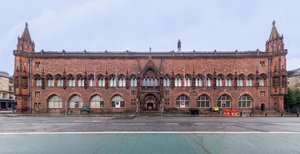 Scottish National Portrait Gallery |
Edynburg | 1 | Robert Burns, 1759 - 1796. Poet |
Każde datowane arcydzieło Peter Taylor znajdujące się na tej stronie pochodzi z 1786: oto one.
Robert Burns, 1759 - 1796. Poet (1786)
30 lat: Robert Burns, 1759 - 1796. Poet pochodzi z 1786, a Peter Taylor urodził(a) się w 1756.
Nasz katalog zawiera 1 dzieł autorstwa Peter Taylor.
Większość z nich znajduje się w Scottish National Portrait Gallery (Edynburg). Powyższa tabela zawiera listę muzeów po kolei.
Tak. Każdy obraz na tej stronie można zamówić jako ręcznie malowaną reprodukcję olejną o jakości muzealnej lub jako wysokiej jakości wydruk artystyczny w wybranym przez Ciebie rozmiarze, bezpośrednio ze strony danego dzieła.
Born in Edinburgh in 1756, Peter Taylor lived a life shaped by the practicalities of color and surface. He was a man of many trades, working as an interior decorator, a carriage painter, and a house painter. His hands were accustomed to the textures of walls and the smooth curves of transport, yet he found his way into the quiet intimacy of portraiture. He did not seek the grand scale of the academy, focusing instead on the small, the immediate, and the personal.
In the winter of 1786, a meeting at a dinner party changed the course of his small legacy. He met the poet Robert Burns, and the two shared breakfast together at Taylor's home in West Register Street. This proximity allowed for a rare kind of observation. Over three sittings, Taylor captured the poet's likeness in oil on a small panel. While other portraits of the time sought a polished ideal, Taylor’s work was noted for its resemblance to the man himself, capturing a specific air that others felt was true to the subject's character.
Beyond the canvas, Taylor looked toward the mechanics of industry. He sought to bring new methods of production to Scotland, specifically the manufacture of painted wax cloth. This was a practical endeavor, a way to create linen floor coverings that could withstand the wear of daily life. The Board of Manufactures recognized the utility of his work, granting him £100 toward the costs of his machinery and buildings in 1788.
The physical toll of his work and his health eventually led him away from the familiar streets of Edinburgh. He suffered from tuberculosis, a condition that forced a retreat to the south. He moved to Marseille, where he died in 1788, leaving behind a widow and an infant daughter. His life was a collection of small, industrious movements—from the decorative flourishes on a carriage to the careful application of oil on a small wooden panel.