Życie zanurzone w pejzażu: Świat Oskara Achenbacha
Oskar Achenbach, nazwisko być może mniej rozpoznawalne dzisiaj niż nazwiska niektórych jego współczesnych, mimo to zajmował znamienną pozycję na europejskiej scenie artystycznej XIX wieku. Urodzony w Düsseldorfie w 1827 roku i odchodzący w 1905 roku, Achenbach żył nierozerwalnie związany z nurtami artystycznymi szkoły düsseldorfer, ruchu słynącego z oddania realistycznym przedstawieniom natury i efektom atmosferycznym. Nie był on jedynie malarzem pejzaży; był interpretatorem światła, koloru i emocji zawartych w tych scenach, szczególnie urzeczony czarem Włoch. Jego historia to opowieść o akademickich fundamentach i buntowniczym duchu, o rodzinnych wpływach artystycznych oraz indywidualnej ewolucji stylu. Dziedzictwo Achenbacha wykracza poza jego płótna, wpływając na pokolenia poprzez jego nauczanie w prestiżowej Kunstakademie Düsseldorf. On i jego brat, Andreas, zostali czule nazwani „Alfa i Omega pejzażu”, co stanowi świadectwo ich wspólnej dominacji w tej dziedzinie – żartobliwe nawiązanie do ich inicjałów, odzwierciedlające symboliczny początek i koniec.Wczesne wpływy i formacja artystyczna
Droga Achenbacha do zostania cenionym artystą pejzażystą nie była z góry przesądzona przez rodzinną tradycję, choć jego brat Andreas również osiągnął znaczące uznanie. Jego ojciec zajmował się różnymi profesjami – był piwowarem, właścicielem gospody, księgowym – co nie dawało żadnych przesłanek co do nadchodzącej artystycznej świetności. Przemieszczanie się rodziny między Monachium a Düsseldorfem podczas dzieciństwa Oskara prawdopodobnie zaszczepiło w nim poczucie miejsca i uważną obserwację, cechy, które później zdefiniowały jego twórczość. Co niezwykłe, Achenbach wstąpił do klasy elementarnej Kunstakademie Düsseldorf w młodym wieku zaledwie ośmiu lat, omijając standardowe wymogi wiekowe akademii – co było jasnym dowodem jego przedwczesnego talentu. Jego początkowe studia koncentrowały się na podstawowych umiejętnościach rysunkowych i krótkim epizodzie związanym z architekturą, jednak to rezygnacja z formalnej nauki około 1841 roku okazała się kluczowa. Ta decyzja pozwoliła mu bezpośrednio zanurzyć się w naturze, podejmując intensywne, samodzielne studia krajobrazów otaczających Düsseldorf. Te wczesne eksploracje położyły fundament pod jego przyszłe wysiłki artystyczne.Włoskie przebudzenie i rozwijający się styl
Przełom w artystycznej podróży Achenbacha nastąpił wraz z jego podróżami przez Bawarię i Tyrol w 1843 roku, a następnie transformującą wyprawą do północnych Włoch z przyjacielem Albertem Flammem w 1845 roku. Doświadczenia te rozbudziły w nim dożywotnią pasję do włoskich krajobrazów, które stały się powracającym motywem w całym jego dorobku. Jego wczesne obrazy z tego okresu, choć demonstrujące biegłość techniczną, początkowo odzwierciedlały wpływ uznanych artystów, takich jak Johann Wilhelm Schirmer i Carl Rottmann – trzymając się zasad akademickich z bogatymi opisami roślinności. Jednak Achenbach wkrótce zaczął wytyczać własną ścieżkę, odchodząc od sztywnego trzymania się konwencji. Wypracował charakterystyczny styl charakteryzujący się naciskiem na efekty atmosferyczne, żywe palety barwne oraz priorytetem uchwycenia impresji światła zamiast drobiazgowego detalu. Ta zmiana oznaczała odejście w stronę bardziej emocjonalnej i subiektywnej interpretacji natury.Rzucanie wyzwania konwencjom i artystyczna niezależność
Podobnie jak wielu artystów swojej epoki, Achenbach znalazł się w konflikcie z sztywnymi ograniczeniami Kunstakademie Düsseldorf. Aktywnie poszukiwał alternatywnemu drogi dla ekspresji artystycznej, stając się wczesnym członkiem dwóch wpływowych stowarzyszeń düsseldorferskich: „Stowarzyszenia Artystów Düsseldorfskich dla Wzajemnego Wsparcia i Pomocy” oraz „Malkasten” (pudełko na farby), założonego w 1848 roku. Grupy te zapewniały żywotną platformę dla artystów działających poza kontrolą akademii, wspierając współpracę poprzez wystawy, przedstawienia teatralne i wydarzenia muzyczne. Aktywny udział Achenbacha dowodził jego zaangażowania w niezależną społeczność artystyczną – przestrzeń, w której innowacja mogła rozkwitać wolna od instytucjonalnych ograniczeń. Jego kariera zyskała znaczący impet dzięki wystawom w düsseldorferskiej galerii Eduarda Schulte od 1850 roku, będącej kluczowym miejscem prezentacji dzieł rzucających wyzwanie ustalonym normom. Dalsze podróże, w tym szczególnie wpływowa wyprawa do Włoch w 1850 roku wraz z Arnoldem Böcklinem i innymi, ugruntowały jego wizję artystyczną. Skupił się na chwytaniu impresji kolorystycznych i efektów świetlnych poprzez warstwowe nakładanie farby, stawiając atmosferę ponad precyzyjną reprezentację.Dziedzictwo i trwały wpływ
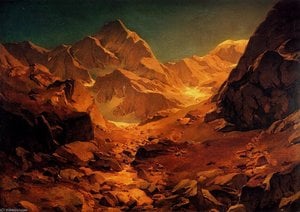
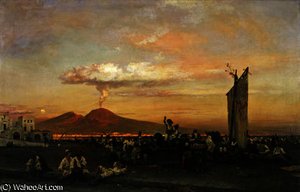
Dojrzała twórczość Achenbacha jest celebrowana za zdolność do wywoływania emocji i nastroju poprzez mistrzowskie wykorzystanie koloru i światła. Jego przedstawienia włoskich krajobrazów – Zatoki Neapolitańskiej, scen rzymskich i weneckich widoków – są szczególnie sławne. Stał się znany ze swoich żywych płócien, które chwytały esencję tych miejsc, nasycając je poczuciem ciepła, spokoju i dramatycznego piękna. Od 1863 do 1872 roku Achenbach służył jako profesor w Akademii Sztuk Pięknych w Düsseldorfie, przekazując swoją wiedzę i wpływając na kolejne pokolenia artystów. Choć jego sława mogła z czasem nieco osłabnąć, wkład Oskara Achenbacha w dziewiętnastowieczne malarstwo pejzażowe pozostaje znaczący. Stoi on jako świadectwo siły artystycznej niezależności, uroku włoskiego światła i trwałego przyciągania piękna oraz emocji wpisanych w świat natury. Jego dzieła nadal rezonują z widzami, oferując wgląd w minioną erę i będąc celebracją ponadczasowego kunsztu malarstwa pejzażowego. On naprawdę potrafił uchwycić duszę krajobrazów, które malował.Pytania i odpowiedzi
Jak mogę znaleźć dzieła artysty Oswald Achenbach w konkretnej palecie barw?
Aby znaleźć prace artysty Oswald Achenbach w konkretnej palecie barw, skorzystaj ze strony Według palet kolorystycznych poświęconej temu artyście.
Jak znaleźć wszystkie dzieła artysty Oswald Achenbach wykonane w danej technice?
Dzieła artysty Oswald Achenbach można przeglądać według techniki na stronie Wszystkie techniki artysty.
Skąd pochodzi Oswald Achenbach?
Oswald Achenbach urodził się w Niemcy.