A Life Witnessed: The Photography of Kallicharan Kally
Kallicharan Kally, a name often accompanied by the alias Ranjith Kally, stands as a powerful testament to the role of the photojournalist in documenting struggle and bearing witness to history. Born in Isipingo Beach, South Africa, in 1925, his life unfolded against the backdrop of escalating apartheid – a system he would dedicate himself to exposing through the lens of his camera. His father’s labor as an overseer in the sugarcane fields instilled in him early on an understanding of the inequalities woven into the fabric of South African society. Kally didn't simply pick up a camera; he embraced it at the age of fourteen as a tool for truth, a means to visually articulate the injustices surrounding him and give voice to those silenced by oppression. His journey wasn’t one of formal training but of self-taught skill honed through relentless observation and an unwavering commitment to his subject matter.Documenting Resistance: The Umkhumbane Years
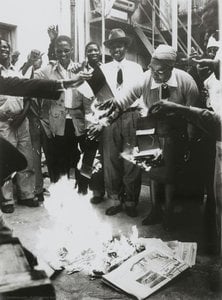
Kally's most significant work centered around the township of Umkhumbane, near Durban, during the 1950s and 60s. This period saw a surge in resistance movements against apartheid, and Kally was there to capture it all – not as an outsider looking in, but as someone deeply embedded within the community he photographed. He documented everyday life, the dignity of its people, and the growing unrest that would define the era. His images weren’t staged or contrived; they were raw, honest portrayals of families facing eviction, protests against pass laws, and the quiet resilience found in the face of systemic brutality. The infamous Pass Book Protest of 1960 became a focal point of his work, offering a visceral record of the defiance and desperation that characterized this pivotal moment. He wasn’t merely recording events; he was participating in a visual act of resistance, ensuring these stories wouldn't be erased from collective memory.Beyond the Protest: A Portrait of a Community
While Kally is rightly celebrated for his political photography, it’s crucial to understand the breadth of his vision. His work extended far beyond documenting protests and clashes with authorities. He captured intimate portraits of families within Umkhumbane, showcasing their hopes, dreams, and daily struggles. These images reveal a vibrant community spirit, a sense of belonging, and an unwavering determination to survive despite immense hardship. He understood that the fight against apartheid wasn’t just about grand political gestures; it was about preserving the humanity of those most affected by it. His photographs are filled with subtle details – children playing in the streets, women tending their gardens, men sharing a meal – all contributing to a rich tapestry of life under oppression.Legacy and Historical Significance
Kally’s work remained largely unseen for decades due to the political climate of apartheid South Africa. His negatives were hidden, protected from authorities who would have sought to suppress his message. It wasn't until after the fall of apartheid that his photographs began to receive the recognition they deserved. Today, Kallicharan Kally is considered a vital figure in South African photographic history, a pioneer whose work helped shape the visual narrative of the anti-apartheid struggle. His images serve as a powerful reminder of the injustices faced by countless individuals and the courage it took to resist them. The rediscovery of his archive has allowed for a deeper understanding of this period, offering invaluable insights into the lives of those who fought for freedom and equality. He passed away in 2017 at the age of 91, leaving behind a legacy that continues to inspire and challenge us today.Influences and Techniques
Kally’s style wasn't shaped by formal education but by an innate ability to connect with his subjects and a dedication to capturing authentic moments. He favored black-and-white photography, which lent a stark realism to his images, emphasizing the harsh realities of life under apartheid.- His work shares similarities with other documentary photographers of the era, such as Drum magazine’s photographers, but Kally's deep connection to Umkhumbane gave his photographs a unique intimacy.
- He wasn’t concerned with artistic flourishes or technical perfection; his priority was always to tell the story truthfully and powerfully.
- The influence of oral storytelling within the community likely played a role in his approach, as he sought to capture not just what things looked like but also the emotions and experiences behind them.
Pytania i odpowiedzi
Czy mogę przeglądać dzieła Kallicharan Kally według nastroju?
Strona Klimat wnętrza artysty prezentuje dzieła Kallicharan Kally pogrupowane według ich nastroju.
Ile dzieł Kallicharan Kally można przejrzeć w katalogu?
Możesz przeglądać 6 dzieł sztuki dzieł autorstwa Kallicharan Kally na stronie Wszystkie dzieła sztuki.
Gdzie można znaleźć dzieła Kallicharan Kally pogrupowane według palety barw?
Strona Według palet kolorystycznych grupuje dzieła Kallicharan Kally według ich palet kolorystycznych.