
1
Francis Jeffrey (1773–1850), Lord Jeffrey, Judge and Critic
Ręcznie malowana reprodukcja olejowa od $181 29 × 35 cm

Obrazem, który przyniósł sławę John Pairman, jest Francis Jeffrey (1773–1850), Lord Jeffrey, Judge and Critic (1823); znajduje się on w Scottish National Portrait Gallery, Edynburg. Rachel Davidson (1838) oraz Bridge over River Almond (1843) podążają za nimi w sercach kolekcjonerów i odwiedzających muzea. Z 13 dzieł John Pairman w naszym katalogu, tych 13 jest najbardziej podziwianych – każde z nich zostało przedstawione wraz z datą powstania, muzeum oraz cechami wyróżniającymi.
Ranking oparty na naszym wskaźniku popularności, który łączy liczbę wyszukiwań, wizyt oraz zamówień dla każdego dzieła. Aktualizacja: Listopad 2026. Każde arcydzieło na tej stronie można zamówić jako ręcznie malowaną reprodukcję olejną o jakości muzealnej lub jako wysokiej jakości wydruk artystyczny, w wybranym przez Ciebie rozmiarze.




5 muzeów, w których znajduje się najwięcej obrazów z tej strony.
| Muzea | Miasto | Dzieła artysty John Pairman | Obrazy z tej listy |
|---|---|---|---|
 Moat Park Heritage Centre |
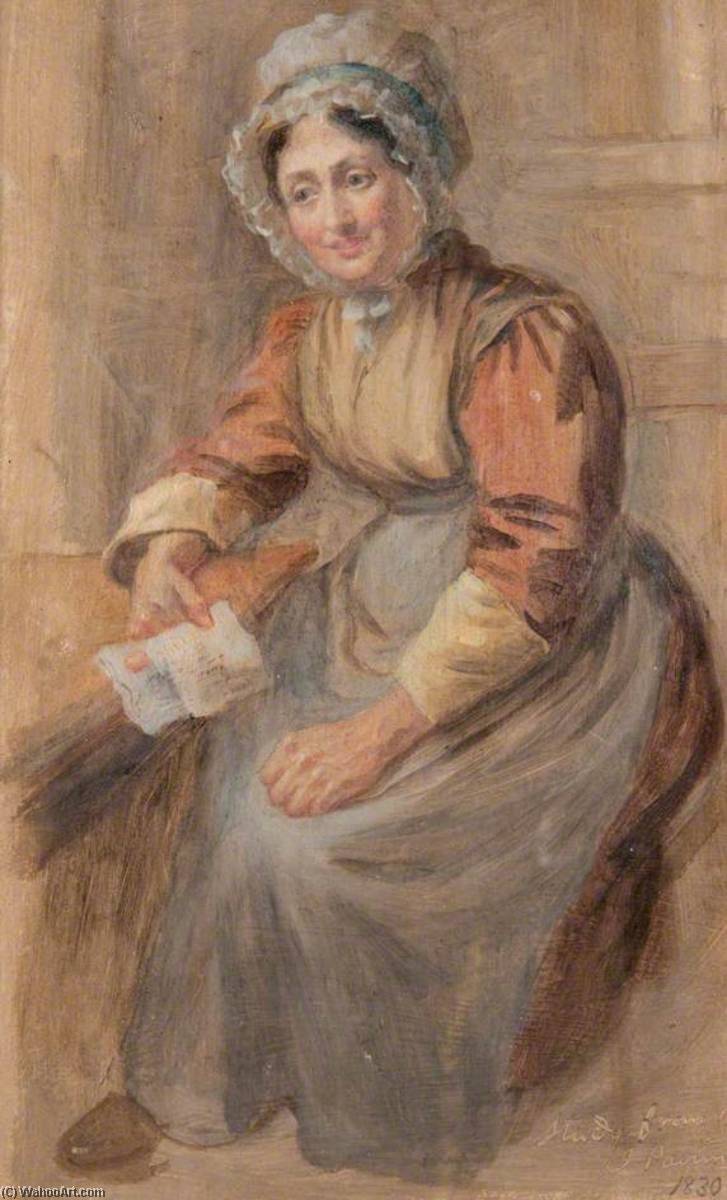
Biggar | 5 | Mrs Brown, Female Study, John Lamb of Carmichael |
 Gladstone Court |
Biggar | 4 | Rachel Davidson, Bridge over River Almond, Symington |
 Scottish National Portrait Gallery |
Edynburg | 2 | Francis Jeffrey (1773–1850), Lord Jeffrey, Judge and Critic, John Pairman (1788–1843), Artist, Self Portrait |
 The Hunterian Museum and Art Gallery |
Glasgow | 1 | A Cottage Interior |
 Holy Trinity Chapel |
Biggar | 1 | Family of Travellers Resting by a Donkey |


Francis Jeffrey (1773–1850), Lord Jeffrey, Judge and Critic (1823), Scottish National Portrait Gallery, Edynburg. Następnie pojawiają się Rachel Davidson (1838) oraz Bridge over River Almond (1843).
35 lat: Francis Jeffrey (1773–1850), Lord Jeffrey, Judge and Critic pochodzi z 1823, a John Pairman urodził(a) się w 1788.
Francis Jeffrey (1773–1850), Lord Jeffrey, Judge and Critic, Rachel Davidson, Bridge over River Almond, Mrs Brown, Female Study, Symington, A Cottage Interior, Robert Pairman (1782 1784–1867), John Lamb of Carmichael i Janet (Jess) Brown, Wife of Dr David Smith. Powyższy ranking zawiera rok oraz muzeum dla każdego z nich.
Nasz katalog obejmuje 13 dzieł autorstwa John Pairman, datowanych od 1823 do 1843.
Większość z nich znajduje się w Moat Park Heritage Centre (Biggar), Gladstone Court (Biggar) i Scottish National Portrait Gallery (Edynburg). Powyższa tabela zawiera listę muzeów po kolei.
Najwcześniejszy na tej stronie to Francis Jeffrey (1773–1850), Lord Jeffrey, Judge and Critic (1823), najpóźniejszy Bridge over River Almond (1843).
Mrs Brown, Female Study i John Lamb of Carmichael to jedne z 5 dzieł na tej stronie znajdujących się w zbiorach Moat Park Heritage Centre, Biggar.
Tak. Każdy obraz na tej stronie można zamówić jako ręcznie malowaną reprodukcję olejną o jakości muzealnej lub jako wysokiej jakości wydruk artystyczny w wybranym przez Ciebie rozmiarze, bezpośrednio ze strony danego dzieła.
John Pairman (1788–1843) stands as a significant figure in the burgeoning landscape movement of early 19th-century Britain, yet his artistic legacy extends far beyond mere topographical representation. Born in Edinburgh, Scotland, Pairman’s formative years coincided with the rise of Romanticism—a cultural aesthetic prioritizing emotion and imagination over rational observation—influencing profoundly his artistic vision.
Pairman distinguished himself from his contemporaries through a remarkable dedication to landscape painting—a genre increasingly favored by artists seeking to express profound feelings and spiritual contemplation. Unlike many painters who adhered to strict academic conventions, Pairman embraced loose brushwork and vibrant color palettes, prioritizing atmospheric effects over precise detail.
Alongside his landscape paintings, Pairman produced a substantial body of portrait commissions—primarily depicting prominent figures from Scottish society. His portraits are notable for their sensitivity and psychological accuracy, capturing not only physical likeness but also the inner life of his subjects.
John Pairman’s contribution to Scottish art history is undeniable—he remains one of the foremost landscape painters of his era. His works continue to inspire admiration for their expressive power and technical virtuosity, securing his place as a pivotal figure in the Romantic movement.


