Życie wykute między światami: Wczesne lata Jeana Arpa
Urodzony w 1886 roku jako Hans Peter Wilhelm Arp w sporny Strasburg – mieście oscylującym między francuską a niemiecką tożsamością – artysta, który stał się znany jako Jean Arp, od samych początków ucieleśniał fascynującą dwoistość. Ta geograficzna i kulturowa liminalność głęboko ukształtowała jego wizję artystyczną, zaszczepiając w nim poczucie wyobcowania oraz kwestionowanie stałych granic, co przenikało całe jego dzieło. Jego rodzice – francuska matka i niemiecki ojciec – nieświadomie położyli fundamenty pod twórczość artysty, który konsekwentnie rzucał wyzwanie wszelkim kategoryzacjom. Wczesne studia w École des Arts et Métiers w Strasburgu, a później na Weimarer Kunstschule w Niemczech, zapewniły Arpowi solidne wykształcenie artystyczne, lecz to wsparcie jego wuja, Carla Arpa, malarza pejzażystów, prawdziwie rozpaliło jego pasję. Przeprowadzka do Paryża w 1908 roku i nauka w Académie Julian jeszcze bardziej poszerzyły jego horyzonty, wystawiając go na oddziaływanie tętniących życiem prądów awangardy. Mimo to Strasburg pozostał potężnym wspomnieniem – miastem przesiąkniętym historią i symbolicznym ciężarem, które na zawsze wpłynęło na jego wrażliwość artystyczną. Ten wczesny okres nie polegał jedynie na zdobywaniu warsztatu; chodziło o chłonięcie złożoności tożsamości i przynależności – tematów, które rezonowały przez całe jego życie i twórczość.Przyjęcie chaosu: Dadaizm i narodziny form biomorficznych
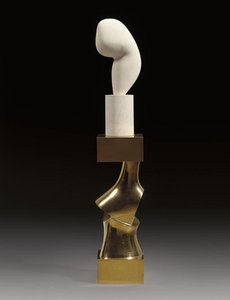
Wybuch I wojny światowej okazał się momentem przełomowym dla Arpa. Rozczarowany bezsensowną przemocą i postrzeganymi porażkami rozumu, około 1915 roku zaczął dryfować w stronę rodzącego się ruchu Dada. Nie był to jedynie wybór estetyczny; była to radykalna odmowa uznania ustalonych norm, buntownicze przyjęcie chaosu jako odpowiedzi na chaotyczny świat. Arp znalazł się w gronie artystów i intelektualistów w neutralnej Szwajcarii – wśród takich postaci jak Hugo Ball, Tristan Tzara czy Marcel Janco – którzy dążyli do demontażu tradycyjnych konwencji artystycznych. Aktywnie uczestniczył w wystawach zrzeszonych w Moderne Bund, wczesnym przymierzu sztuki nowoczesnej, i współtworzył grupę Dada w Kolonii w 1920 roku u boku Maxa Ernsta i Alfreda Grünwalda. To właśnie w tym okresie Arp zaczął eksperymentować z operacjami przypadkowymi, techniką odzwierciedlającą dadaistyczne odrzucenie artystycznej kontroli. Jego „kolaże przypadkowe”, tworzone poprzez upuszczanie fragmentów papieru na powierzchnię i przyklejanie ich tam, gdzie upadły, były rewolucyjne – stanowiły zrzeczenie się świadomego projektu na rzecz nieprzewidywalnych rezultatów. Jednocześnie zaczął zgłębiać formy biomorficzne – abstrakcyjne kształty przypominające życie organiczne – które stały się definiującą cechą jego pracy. Nie były to jedynie abstrakcyjne wzory; sugerowały one ukryte energie, fundamentalne budulce istnienia oraz podświadomą więź z naturą. Ta eksploracja była w znacznym stopniu inspirowana głębokim partnerstwem artystycznym z Sophie Taeuber-Arp, którą poślubił w 1922 roku. Ich wspólne projekty były innowacyjne i wzajemnie inspirujące, przesuwając granice praktyki obu twórców.Surrealistyczne wizje i rzeźbiarskie poszukiwania W miarę jak Dada zaczynało zanikać, artystyczna trajektoria Arpa skierowała go ku surrealizmowi. Jego prace zostały zaprezentowane na pierwszej surrealistycznej wystawie w Galerie Pierre w Paryżu w 1925 roku, co ugruntowało jego związek z ruchem zgłębiającym krainę snów i podświadomości. Arp nie przyjął jednak surrealizmu bezkrytycznie; nasycił go własną, unikalną wrażliwością. Rozpoczął znaczącą transformację od rzeźby reliefowej ku pracom trójwymiarowym, badając abstrakcję organiczną w formach wolnostojących. W tym okresie powstała seria „Human Concretion” – gładkie, zaokrąglone rzeźby, które przywoływały niejednoznaczne odniesienia zarówno do ludzkiej postaci, jak i obiektów naturalnych. Eksploracja materiału była dla Arpa równie istotna. Eksperymentował z marmurem, brązem, szkłem i drewnem, gdzie każdy materiał oferował inną teksturę i efekt, pozwalając mu na dalsze dopracowanie wizji abstrakcji organicznej. Jego formy biomorficzne wywarły głęboki wpływ na rozwój surrealizmu, szczególnie w jego fascynacji automatyzmem i obrazowaniem podświadomym. Arp nie był zainteresowany przedstawianiem rozpoznawalnych obiektów; pragnął uchwycić esencję samego życia – jego wzrost, płynność i immanentną tajemnicę.
Dziedzictwo i nieprzemijający wpływ
Wpływ Jeana Arpa na sztukę XX wieku jest niezaprzeczalny. Jego pionierska rola w abstrakcji organicznej, przyjęcie przypadku oraz eksploracja form biomorficznych ugruntowały jego miejsce jako kluczowej postaci awangardy. Wybitne dzieła, takie jak Trousse d'un dada, seria Dada Heads, Human Concretion without Oval Bowl, Le Soleil recerclé oraz The Three Graces, nieustannie zachwycają odbiorców swoją elegancką prostotą i głębokim symbolizmem. Coraz większe uznanie zdobywał w erze powojennej, co zaowocowało Grand Prix dla rzeźby na Biennale w Wenecji w 1954 roku oraz wielkimi wystawami retrospektywnymi w Museum of Modern Art w Nowym Jorku (1958) i Musée National d’Art Moderne w Paryżu (1962). Jego relief stworzony dla Harvard Graduate Center pozostaje świadectwem jego trwałego dziedzictwa. Nacisk Arpa na formy organiczne rezonował z kolejnymi pokoleniami artystów, wpływając na ruchy takie jak ekspresjonizm abstrakcyjny i późniejsze nurty. Jego fascynacja operacjami przypadkowymi wciąż inspiruje tych, którzy badają rolę losowości i niekonwencjonalne metody twórcze. Wspólna praca, którą dzielił z Sophie Taeuber-Arp, jest dziś uznawana za jeden z najważniejszych wkładów w ruch Dada, podkreślając potęgę artystycznego partnerstwa. Innowacyjne podejście Jeana Arpa, jego gotowość do rzucania wyzwania konwencjom oraz niezłomne zaangażowanie w badanie fundamentalnych sił życia sprawiają, że jego sztuka będzie inspirować i prowokować kolejne pokolenia.Pytania i odpowiedzi
Czy mogę sortować dzieła Hans Arp według koloru?
Indeks kolorystyczny artysty Hans Arp to strona, która porządkuje jego dzieła według kolorów.
Gdzie można zobaczyć wszystkie dzieła Hans Arp?
Wszystkie dzieła Hans Arp dostępne w niniejsza strona można przeglądać na stronie Wszystkie dzieła artysty.
Jakie inne pseudonimy lub nazwy stosuje Hans Arp?
Hans Arp występuje również pod innymi nazwiskami: Jean Arp.