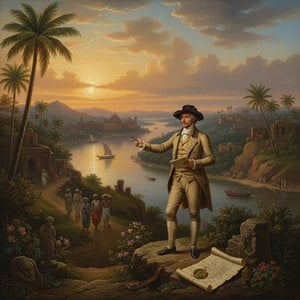
James Johnstone Barnet: Architect of Colonial Sydney
James Johnstone Barnet (1827 – 1904) stands as a pivotal figure in the architectural landscape of colonial Australia, particularly remembered for his contributions to New South Wales’s iconic landmarks. Born in Arbroath, Scotland, Barnet embarked on a journey that would ultimately see him establish himself as one of the era's most respected builders and designers—a legacy cemented by structures that continue to define Sydney’s skyline today. Barnet’s formative years instilled within him a meticulous attention to detail and an appreciation for classical principles, influences which would profoundly shape his artistic vision. He pursued studies in architecture at Edinburgh University, honing his skills before venturing into the burgeoning world of colonial engineering. His arrival in Australia in 1862 marked the commencement of a prolific career dedicated to transforming the nascent nation’s urban environment. Initially tasked with overseeing the construction of government buildings and infrastructure projects—including the formidable Macquarie Lighthouse—Barnet swiftly gained renown for his innovative designs and unwavering commitment to excellence. His architectural style embraced Beaux Arts aesthetics, prioritizing grandeur, symmetry, and harmonious proportions. Barnet skillfully blended traditional techniques with contemporary advancements, resulting in structures that embodied both elegance and practicality. Notably, he spearheaded the ambitious undertaking of St James Church in Levoča, Slovakia – a UNESCO World Heritage Site showcasing remarkable Gothic craftsmanship and artistic ambition. This project demonstrated his versatility and commitment to preserving cultural heritage alongside promoting architectural innovation. Barnet’s enduring impact extends beyond individual buildings; he championed the establishment of the NSW School of Mines and Conservatories, furthering scientific education and bolstering Australia's industrial capabilities. Furthermore, he served as President of the Royal Architectural Institute of Britain and Ireland from 1890 until his death in 1904, solidifying his position as a leader within the architectural profession. James Johnstone Barnet’s legacy resides not merely in stone and mortar but also in shaping Australia's identity and fostering advancements in design and education—a testament to his enduring contribution to Victorian architecture and colonial history.- Notable Projects: Macquarie Lighthouse, St James Church
- Architectural Style: Beaux Arts
- Influences: Classical Architecture