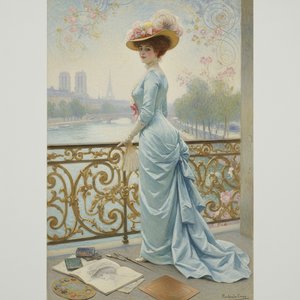
Zapomniany mistrz Belle Époque: Życie i sztuka Giuseppe Amisaniego
Giuseppe Amisani, nazwisko niemal nieobecne w głównych nurtach historii sztuki aż do niedawna, był znaczącą postacią podczas tętniącej życiem włoskiej epoki Belle Époque. Urodzony 7 grudnia 1881 roku w Mede di Lomellina, niedaleko Pawi, w Lombardii, wyłonił się jako ceniony portrecista, którego płótna chwytały elegancją i status elit swojej ery. Samo miasteczko oddało później hołd swojemu rodakowi, zmieniając nazwę Piazza Mercato na Piazza Giuseppe Amisani – co stanowi świadectwo szacunku, jakim niegdyś go darzono. Jego droga rozpoczęła się od początkowych prób studiów technicznych w Pawi, lecz nieudany kurs rysunku przekierował go ku bardziej artystycznym poszukiwaniom. Prawdziwe powołanie odnalazł w świętych murach Accademia di Brera w Mediolanie, gdzie szlifował swoje umiejętności pod okiem Cesare Tallone i Vespasiano Bignami. To formalne wykształcenie położyło fundament pod karierę zdefiniowaną przez wyrafinowaną technikę i przenikliwą zdolność rozumienia ludzkiej natury.Wzrastający uznanie i międzynarodowe horyzonty
Talent Amisaniego szybko zyskał uznanie, czego dowodem był jego triumf w 1908 roku, kiedy to otrzymał prestiżową nagrodę Mylius za obraz *L'eroe* („Bohater”). Ten wczesny sukces został umocniony kilka lat później – około 1911 lub 1912 roku – gdy zdobył nagrodę Fumagalli za malarstwo figuralne dzięki uderzającemu portretowi słynnej aktorki Lydy Borelli. Te laury wprowadziły go na światło dzienne, czyniąc go poszukiwanym portrecistą wśród mediolańskiego wyższych sfer. Jego styl w tym okresie charakteryzował się świeżością i elegancją, zdolnością do uchwycenia nie tylko podobieństwa, ale także samej esencji swoich modeli. Jednak ambicje Amisaniego sięgały daleko poza granice Włoch. Wyruszył w dalekie podróże, które głęboko ukształtowały jego wizję artystyczną. Lata spędzone w Argentynie i Brazylii wystawiły go na kontakt z nowymi kulturami i krajobrazami, podczas gdy wizyty w Anglii, Francji, Afryce Północnej i Stanach Zjednoczonych poszerzyły jego perspektywę i nasyciły jego twórczość kosmopolityczną wrażliwością. Doświadczenia te wykraczały poza zwykłą obserwację; stały się integralną częścią jego tożsamości artystycznej, wpływając zarówno na tematykę, jak i technikę.Portrecista królów i pospólstwa
W twórczości Amisaniego dominuje portret, co odzwierciedla potrzeby i gusta jego klienteli. Posiadał niezwykłą zdolność przedstawiania osób ze wszystkich warstw społecznych – od wpływowych przemysłowców, takich jak Michele Bernocchi (1937) i Davide Lanfranconi (1941), po postacie o artystycznej sławie, jak Lyda Borelli, której portret zdobi dziś Muzeum Sztuki w São Paulo w Brazylii. Jego arcydzieło *La Teletta* znajduje się w Galleria d'Arte Moderna w Mediolanie, prezentując jego umiejętność uchwycenia zarówno wyglądu zewnętrznego, jak i głębi psychologicznej. W 1924 roku otrzymał królewskie zlecenie na dekorację Ras al-Tin, pałacu Fuada I w Egipcie, gdzie uwiecznił na płótnie młodego księcia Faruka – co stanowi dowód jego międzynarodowej reputacji i kunsztu. Poza portretem Amisani zgłębiał także malarstwo pejzażowe, inspirowane swoimi podróżami, tworząc nastrojowe sceny z włoskich Alp, Rodos czy Tunezji. Jego udział w wystawach, takich jak dwunasta Esposizione Internazionale d'Arte della Città di Venezia (Wenecja Biennale) w 1920 roku, obok pokazów w Londynie i Florencji, dodatkowo ugruntował jego pozycję w europejskim świecie sztuki.Ponowne odkrycie i dziedzictwo
Mimo osiągnięcia znacznego sukcesu za życia, twórczość Amisaniego popadła w względne zapomnienie po jego śmierci 8 września 1941 roku w Portofino. Jego nazwisko zniknęło z głównych opracowań historii sztuki, a jego wkład został w dużej mierze zapomniany przez pół wieku. Zaniedbanie to można przypisać być może jego świadomemu wyborowi pozostania w ramach ustalonych konwencji artystycznych epoki, unikając radykalnych eksperymentów ruchów takich jak futuryzm czy kubizm. Dostosowywał się do preferencji swoich mecenasów, stawiając realizm i szczegółowe przedstawienie ponad awangardową innowację. Jednak retrospektywna wystawa zorganizowana w Castello Sforzesco w Vigevano w 2008 roku wzbudziła odnowione zainteresowanie jego sztuką, przywracając jego obrazy opinii publicznej po dekadach niebytu. To odkrycie ukazało artystę głęboko zakorzenionego w tradycji włoskiego renesansu – inspirowanego mistrzami takimi jak Michał Anioł i Rafael w swojej skrupulatnej dbałości o detal i realistycznym przedstawieniu ludzkiej formy – a jednocześnie unikalnie nastrojonego na elegancję i przepych Belle Époque. Historia Giuseppe Amisaniego służy jako przejmujące przypomnienie, że artystyczna wartość może czasem zostać przyćmiona przez zmieniający się gust i prądy historyczne, ale prawdziwy talent ostatecznie trwa.Charakterystyka artystyczna
Obrazy Amisaniego charakteryzują się technicznym blaskiem i wyrafinowaną wrażliwością estetyczną. Jego portrety nie są jedynie przedstawieniami fizycznego podobieństwa; to wnikliwe studia charakteru i statusu społecznego. Stosował świetlistą paletę barw i mistrzowskie pociągnięcia pędzla, aby uchwycić teksturę tkanin, niuanse odcieni skóry oraz subtelne ekspresje ujawniające wewnętrzne życie jego modeli. Choć uznawał prądy artystyczne swoich czasów, Amisani pozostał wierny tradycyjnym technikom, priorytetyzując realizm i szczegółową obserwację.- Jego pejzaże, choć mniej liczne niż portrety, wykazują podobną dbałość o detal i perspektywę atmosferyczną.
- Po mistrzowsku łączył elementy impresjonizmu z klasyczną wrażliwością, tworząc dzieła zarówno atrakcyjne wizualnie, jak i angażujące intelektualnie.
- Sztuka Amisaniego odzwierciedla wartości i aspiracje Belle Époque – okresu charakteryzującego się optymizmem, dobrobytem i celebracją piękna.
Pytania i odpowiedzi
Jak zmieniała się twórczość Giuseppe Amisani na przestrzeni lat?
Chronologiczne zestawienie twórczości Giuseppe Amisani można znaleźć na stronie Osiągnięcia artystyczne, gdzie dzieła prezentowane są w kolejności ich powstania, podzielone na poszczególne etapy kariery.
Czy dostępna jest wirtualna wycieczka 3D po dziełach Giuseppe Amisani?
Dzieła Giuseppe Amisani można podziwiać w galerii 3D na stronie Wirtualna Galeria 3D artysty.
Gdzie można zobaczyć wszystkie dzieła Giuseppe Amisani?
Wszystkie dzieła Giuseppe Amisani dostępne w niniejsza strona można przeglądać na stronie Wszystkie dzieła artysty.