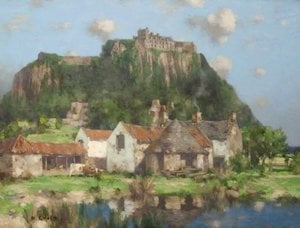
Wizjoner z Glasgow: Życie i sztuka Davida Gaulda
W tętniącym życiem, nieustannie zmieniającym się krajobrazie szkockiej kultury końca XIX wieku, niewielu artystów potrafiło uchwycić punkt styku tradycji i nowoczesności z taką gracją jak David Gauld. Urodzony w Glasgow w 1865 roku, Gauld wyłonił się nie tylko jako malarz, ale jako pionier, który połączył subtelne zawiłości projektowania graficznego z monumentalną obecnością witrażu. Jego droga była procesem głębokiej ewolucji estetycznej, mocno zakorzenionej w artystycznym fermentie ruchu Glasgow Boys – grupy dążącej do wyzwolenia się z sztywnego akademizmu epoki na rzecz podejść bardziej naturalistycznych, emocjonalnych i eksperymentalnych.
Wczesne impulsy twórcze Gaulda kształtowała skrupulatna dbałość o detal, cecha szlifowana podczas jego formacyjnych lat pracy jako litograf. Gdy w 1882 roku wstąpił do Glasgow School of Art, przyniósł ze sobą rodzącą się fascynację estetyką Wschodu. Okres ten charakteryzował się intensywnym zaangażowaniem w studiowanie japońskich drzeworytów, których spłaszczona perspektywa i odważne, kaligraficzne linie na zawsze przeniknęły do jego kompozycji. Jego pierwsze publiczne uznanie przyszło wraz z sugestywnymi rysunkami piórkiem i tuszem dla The Glasgow Weekly Citizen – dziełami, które demonstrowały mistrzowską władzę nad linią oraz rytmiczną, organiczną wrażliwość, zapowiadającą nadchodzącą rewolucję Art Nouveau.
Synteza światła i linii
W miarę postępów w karierze, medium artystyczne Gaulda rozszerzyło się z delikatnej powierzchni papieru na świetliste, półprzezroczyste medium witrażu. Ta transformacja pozwoliła mu badać interakcję światła i koloru w sposób, którego niewielu jego współczesnych mogło dorównać. Podczas pobytu w Kirkcudbright między 1891 a 1894 rokiem, Gauld podjął się znaczących zleceń dla Guthrie i Wells, tworząc okna, które były czymś znacznie więcej niż tylko architektoniczną ozdobą. Prace te stanowiły tkane światłem gobeliny, w których organiczne, płynne formy stylu Art Nouveau spotykały się z duszną, symboliczną głębią tradycji Pre-Raphaelite.
Jego technika pracy ze szkłem charakteryzowała się głębokim zrozumieniem tego, jak kolor oddziałuje z naturalnym oświetleniem. Poprzez manipulowanie teksturą i pigmentem, potrafił wywołać atmosferę wydającą się jednocześnie eteryczną i namacalną. To mistrzostwo medium odzwierciedlało jego szerszą filozofię artystyczną: przekonanie, że sztuka nie powinna jedynie reprezentować świata, ale także transformować przestrzeń, w której się znajduje. Pracując w oleju, tuszu czy szkle, Gauld dążył do uchwycenia esencji swoich tematów – czy to cichej godności portretu, czy surowego piękna szkockiego krajobrazu – przez pryzmat stylizowanej elegancji.
Dziedzictwo i znaczenie historyczne
Trajektoria życia Davida Gaulda była naznaczona zarówno współpracą, jak i samotnym doskonaleniem warsztatu. Jego związki z innymi luminarzami Glasgow School, takimi jak William Stewart Shirreffs czy Harrington Mann, umieściły go w samym sercu przełomowego okresu w historii sztuki szkockiej. Nawet gdy jego relacje zawodowe ulegały zmianie, a on sam przenosił się między Glasgow, Kirkcudbrigt i North Berwick, jego oddanie innowacji pozostawało niezachwiane. Stał się on kluczowym ogniwem łączącym dziewiętnastowieczną fascynację naturalizmem z dwudziestowiecznym przyjęciem dekoracyjnego modernizmu.
Dziś Gauld jest wspominany jako artysta o niebywałej wszechstronności i dalekowzroczności. Jego zdolność do syntezy różnorodnych wpływów – od precyzji japońskich drzeworytów po romantyzm Pre-Raphaelitów – pozwoliła mu wnieść unikalny głos do Glasgow Style. Jego dziedzictwo trwa w nieprzemijającym pięknie jego witraży oraz cichej, potężnej obecności jego malarstwa, które wciąż rezonuje z podziwem dla rzemiosła, światła i trwałego ducha szkockiej innowacji.
Pytania i odpowiedzi
Gdzie mogę zobaczyć profil kolorystyczny twórczości David Gauld?
Profil kolorystyczny twórczości David Gauld można zobaczyć na stronie Genom Palety artysty.
Na jakie okresy dzieli się kariera David Gauld?
Osiągnięcia artystyczne artysty David Gauld to interaktywna oś czasu, która prezentuje dzieła w porządku chronologicznym, pogrupowane w rozdziały odpowiadające poszczególnym etapom jego kariery.
Gdzie mogę zobaczyć dzieła David Gauld w wirtualnej galerii 3D?
Wirtualna Galeria 3D artysty David Gauld to strona prezentująca jego dzieła w wirtualnej galerii trójwymiarowej.