A Renaissance Echo in American Shores
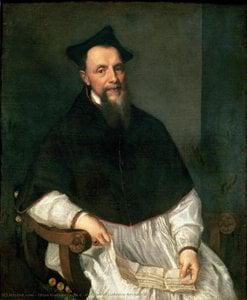
Titian Ramsay Peale II’s “St Mark” is not merely a portrait; it's a quiet invocation of the High Renaissance spirit transplanted onto American soil. The painting depicts Saint Mark, one of the Four Evangelists, rendered with a dignified composure that speaks to both his sacred role and the artist’s meticulous skill. He gazes outward, engaging the viewer with an intelligent and serene expression while holding a book – a symbol of his authorship of the Gospel. Peale's choice to portray St Mark in this manner—immersed in contemplation yet directly addressing us—creates a compelling intimacy, inviting reflection on faith, knowledge, and the enduring power of scripture.
The Legacy of a Family & A Style
Born into a distinguished artistic lineage as the son of Charles Willson Peale, Titian Ramsay Peale II inherited not only a name steeped in American art history but also a foundational understanding of portraiture. However, unlike his father’s focus on capturing the likenesses of prominent Americans, Peale II gravitated towards a more idealized aesthetic, deeply influenced by the Italian Renaissance masters. This is strikingly evident in “St Mark,” where the composition, use of light and shadow, and overall sense of harmony recall the works of Raphael or Titian himself – an intentional nod perhaps to his given name. Peale’s technique demonstrates a mastery of oil on panel, building form through subtle gradations of tone and employing a refined color palette that lends the painting a timeless quality. The inclusion of the two lions flanking St Mark is a direct reference to the saint's traditional iconography; these majestic creatures symbolize courage, royalty, and resurrection – attributes central to St Mark’s story and his enduring significance within Christian tradition.
Sacred Art & Rediscovered Masterpieces
While Peale II engaged with both portraiture and natural history illustration throughout his career—a testament to the breadth of his talents—his sacred works, like “St Mark,” represent a particularly compelling facet of his artistic output. These paintings offer a glimpse into a lesser-known aspect of 19th-century American art, where artists sought to emulate the grandeur and spiritual depth of European Renaissance masterpieces. For many years, Peale II’s work remained somewhat overshadowed by that of his father and other contemporaries. However, recent scholarship has begun to illuminate his unique contributions, recognizing him as a skilled and thoughtful artist who successfully blended Old World traditions with an emerging American sensibility. The rediscovery of paintings like “St Mark” allows us to appreciate the depth and complexity of Peale’s artistic vision, offering a fresh perspective on the development of art in the United States.
An Invitation to Contemplation
“St Mark” is more than just a beautiful object; it's an invitation to contemplation. The painting’s quiet dignity and spiritual resonance make it a captivating focal point for any space, lending an air of sophistication and timeless elegance. Whether displayed in a home library, a study, or a gallery setting, this work encourages viewers to pause, reflect, and connect with the enduring themes of faith, knowledge, and artistic beauty. A reproduction of “St Mark” offers not only a stunning visual experience but also a tangible link to a fascinating chapter in American art history—a testament to the power of artistic tradition and the enduring legacy of the Renaissance.
Pytania i odpowiedzi
Jaka technika i styl charakteryzują „St Mark” autorstwa Tytjan Ramsay Peale II?
"St Mark" powstało przy użyciu Oil On Canvas, w stylu Renaissance Echo.
Czy dzieło „St Mark” autorstwa Tytjan Ramsay Peale II znajduje się w kraju pochodzenia artysty?
Nie – dzieło znajduje się za granicą. Krajem pochodzenia Tytjan Ramsay Peale II jest Stany Zjednoczone, natomiast muzeum przechowujące oryginał dzieła „St Mark” znajduje się w Włochy.
Gdzie mogę znaleźć przewodnik do "St Mark"?
Przewodnik po "St Mark" to strona Przewodnik dzieła sztuki – nadrukowalna karta informacyjna prezentująca utwór wraz z podpisem, informacją o autorstwie oraz tabelą danych (artysta, daty, technika, wymiary oryginału, kolekcja).



 Zobacz w skali 1:1
 Przełącz na wersję drukowaną
 Wyślij
 Udostępnij
 Szczegóły
 Przewodnik

 Pobierz plik obrazu
 Podobne obiekty
 RTG
RTG Pokaz slajdów
 Statystyki


 Czytaj więcej






































 Opcja ze szkłem jest dostępna wyłącznie w rozmiarach poniżej 110 cm