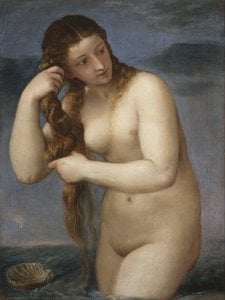
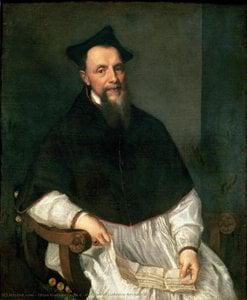
Zobacz w skali 1:1 Zobacz w AR Przełącz na wersję drukowaną Przełącz na wersję cyfrową Wyślij
Szczegóły Przewodnik Dodaj do ulubionych Pobierz plik obrazu Podobne obiekty RTG Pokaz slajdów Statystyki

Titian Ramsey Peale II

Meta Description: „Portret Samogrału” Titiana Ramsey Peale II – arcydzieło renesansu amerykańskiego, ukazujące głębokie wnętrze artysty i jego umiejętność uchwycenia esencji postaci. Znajdziesz więcej dzieł Peale II na WahooArt.com!

Tytjan Ramsay Peale II (1799-1885): Amerykański artysta łączący renesansową sztukę z obserwacją przyrody. Odkryj jego piękne obrazy i dziedzictwo!

Ręcznie malowana reprodukcja olejowa

Ręcznie malowany obraz olejny na płótnie, wykonany na zamówienie przez naszych artystów w wybranym przez Ciebie wymiarze i oprawie. ( Przełącz na wersję drukowaną Przełącz na wersję cyfrową)

Corner sample of the P118B picture frame: polistyren formowany, 5 cm wide and 3 cm thick
P118B zł10
Corner sample of the P118H picture frame: polistyren formowany, 5 cm wide and 3 cm thick
P118H zł10
Corner sample of the P118W picture frame: polistyren formowany, 5 cm wide and 3 cm thick
P118W zł10
Corner sample of the P438Z picture frame: polistyren formowany, 5.5 cm wide and 3.5 cm thick
P438Z zł10
Corner sample of the P508JH picture frame: polistyren formowany, 7 cm wide and 3.5 cm thick
P508JH zł12
Corner sample of the P508YH picture frame: polistyren formowany, 7 cm wide and 3.5 cm thick
P508YH zł12
Corner sample of the P805H picture frame: polistyren formowany, 5 cm wide and 3.5 cm thick
P805H zł10
Corner sample of the P805Z picture frame: polistyren formowany, 5 cm wide and 3.5 cm thick
P805Z zł10
Corner sample of the P919BZ picture frame: polistyren formowany, 7 cm wide and 3.5 cm thick
P919BZ zł10
Corner sample of the P919G picture frame: polistyren formowany, 7 cm wide and 3.5 cm thick
P919G zł10
Corner sample of the P919XJ picture frame: polistyren formowany, 7 cm wide and 3.5 cm thick
P919XJ zł10
Corner sample of the P959ZH picture frame: polistyren formowany, 5 cm wide and 3 cm thick
P959ZH zł10
Corner sample of the P968JZ picture frame: polistyren formowany, 6 cm wide and 4 cm thick
P968JZ zł12
Corner sample of the W106C picture frame: lite drewno, 5 cm wide and 3 cm thick
W106C zł8
Corner sample of the W218G picture frame: lite drewno, 5 cm wide and 3 cm thick
W218G zł10
Corner sample of the W218JH picture frame: lite drewno, 5 cm wide and 3 cm thick
W218JH zł8
Corner sample of the W218Y picture frame: lite drewno, 5 cm wide and 3 cm thick
W218Y zł10
Corner sample of the W307PJ picture frame: lite drewno, 6 cm wide and 3 cm thick
W307PJ zł10
Corner sample of the W316G picture frame: lite drewno, 6 cm wide and 3 cm thick
W316G zł10
Corner sample of the W316PJ picture frame: lite drewno, 6 cm wide and 3 cm thick
W316PJ zł8
Corner sample of the W316Y picture frame: lite drewno, 6 cm wide and 3 cm thick
W316Y zł10
Corner sample of the W398PJ picture frame: lite drewno, 5 cm wide and 3 cm thick
W398PJ zł8
Corner sample of the W4111J picture frame: lite drewno, 6.5 cm wide and 3.5 cm thick
W4111J zł10
Corner sample of the W500HY picture frame: lite drewno, 7 cm wide and 5 cm thick
W500HY zł15
Corner sample of the W500JH picture frame: lite drewno, 7 cm wide and 5 cm thick
W500JH zł15
Corner sample of the W692G picture frame: lite drewno, 8 cm wide and 4 cm thick
W692G zł12
Corner sample of the W849H picture frame: lite drewno, 5 cm wide and 3 cm thick
W849H zł8
Corner sample of the W940BG picture frame: lite drewno, 7.5 cm wide and 4.5 cm thick
W940BG zł15
Corner sample of the W953PJ picture frame: lite drewno, 6 cm wide and 3.5 cm thick
W953PJ zł8

Standardowy
na zamówienie
CM
INCH

Wybierz spośród naszych standardowych rozmiarów, które zachowują oryginalne proporcje dzieła sztuki.

szerokość
wysokość

Wpisz wymaganą szerokość i wysokość, aby obraz pasował do Twojej ramy lub ściany. Ponieważ jest to dzieło malowane ręcznie, w przypadku rozmiaru o innym proporcji artysta może domalować nieco więcej wokół obrazu lub przyciąć fragmenty — wybór należy do Ciebie. Przed rozpoczęciem pracy prześlemy Ci cyfrową wizualizację do zatwierdzenia. Obraz widoczny na tej stronie nie przedstawia rzeczywistego efektu — jedynie wizualizacja oddaje realny rezultat.

Przykłady możliwych zmian: Zamień twarz na zdjęcie klienta; Dodaj zwierzę domowe (np. zamień kota na psa); Ukryj wiadomość w tle; Zmień krajobraz lub elementy tła.
Po złożeniu zamówienia zespół WahooArt.com skontaktuje się z klientem drogą mailową w celu uzyskania instrukcji i prześle wizualizację projektu

Dostawa na całym świecie () w ciągu 3–4 tygodni zamiast standardowych 5 tygodni. (24 Październik). Bez kompromisów w kwestii jakości.

Bezpłatna ekspresowa wysyłka na cały świat
Wysokiej jakości płótno lniane
Pełne ubezpieczenie transportowe
Gwarancja zwrotu należności celnych i podatków importowych
Gwarancja idealnego odwzorowania barw
100-dniowy okres na zwrot dzieła w przypadku wykrycia wad produkcyjnych
Gwarancja 100% zwrotu pieniędzy
Oferta przy zakupie wielu sztuk

Cena całkowita

zł 1043

Titian Ramsey Peale II

Technika wykonania

Rozmiar reprodukcji

-

Suma do zapłaty

zł 1043

Kluczowe informacje

  • Medium: Oil on canvas
  • Movement: Renaissance
  • Influences: Renaissance
  • Year: 1562
  • Subject or theme: Introspection
  • Location: Palazzo Vescovile, Pienza, Italy

Titian Ramsey Peale II: A Renaissance Echo in the New World

Titian Ramsay Peale II occupies a fascinating, often overlooked niche within the landscape of 19th-century American art. Born in Philadelphia in 1799, he was steeped in artistic lineage as the youngest son of Charles Willson Peale, a pivotal figure in early American portraiture and founder of the nation’s first museum. While his father's legacy loomed large, Titian forged his own path, one deeply rooted in the aesthetic ideals of the High Renaissance, particularly those emanating from Venice. He wasn’t merely replicating styles; he was channeling a profound artistic sensibility, imbuing his canvases with a meticulous detail and vibrant color palette that set him apart from many of his contemporaries. His life unfolded against a backdrop of burgeoning American identity, yet his artistic heart remained tethered to the classical masters, creating a compelling tension between Old World reverence and New World expression. His work reflects this duality beautifully. Consider “Doge Antonio Grimani Kneeling Before the Faith,” housed in Palazzo Vescovile in Pienza, Italy – an exemplar of Renaissance grandeur. The meticulous rendering of Grimani’s robes and the solemn pose convey a deep respect for tradition alongside a masterful command of artistic technique. Peale II skillfully employed oil on canvas to achieve this luminous effect, mirroring the practices of artists like Michelangelo and Raphael centuries earlier. This dedication to classical principles distinguishes him from many of his peers who embraced looser styles. Furthermore, “Portrait of a Man” exemplifies Peale’s ability to capture psychological depth. The artist’s careful observation of facial expression—the stern gaze—reveals an inner contemplation that transcends mere likeness. It speaks to the Renaissance preoccupation with humanism and the exploration of individual character. This portrait demonstrates Peale II's talent for conveying emotion through subtle gestures and tonal variations, a hallmark of Renaissance painting. “Solome” showcases Peale’s mastery of still life composition. The arrangement of fruit and flowers is carefully considered, reflecting the humanist interest in observing and appreciating the natural world—a trend originating from antiquity. Like Leonardo da Vinci before him, Peale II utilized chiaroscuro – dramatic contrasts between light and dark – to heighten the visual impact and imbue the scene with a sense of atmosphere. Titian Ramsay Peale II’s prolific output includes numerous other notable pieces demonstrating his versatility as an artist. His exploration of the Rocky Mountains—documented in detailed sketches and watercolors—represents a significant contribution to American scientific illustration, aligning him with the broader intellectual currents of the era. The Maria Rodriguez de Reyero Collection houses several of these artworks, offering visitors a glimpse into Peale II’s artistic vision. For those interested in delving deeper into Titian Ramsay Peale II's oeuvre, “Titian Ramsey Peale II: Self-portrait” is available on WahooArt.com – a poignant reflection of his own artistic journey and an enduring testament to the legacy of Renaissance art in America.
  • Artist: Titian Ramsay Peale II
  • Born Year: 1799
  • Death Year: 1885
  • Birth City: None
  • Birth Country: None
Biography:

A Renaissance Echo in the New World

Titian Ramsay Peale II occupies a fascinating, often overlooked niche within the landscape of 19th-century American art. Born in Philadelphia in 1799, he was steeped in artistic lineage as the youngest son of Charles Willson Peale, a pivotal figure in early American portraiture and founder of the nation’s first museum. While his father's legacy loomed large, Titian forged his own path, one deeply rooted in the aesthetic ideals of the High Renaissance, particularly those emanating from Venice. He wasn’t merely replicating styles; he was channeling a profound artistic sensibility, imbuing his canvases with a meticulous detail and vibrant color palette that set him apart from many of his contemporaries. His life unfolded against a backdrop of burgeoning American identity, yet his artistic heart remained tethered to the classical masters, creating a compelling tension between Old World reverence and New World expression. His work reflects this duality beautifully. Consider “Doge Antonio Grimani Kneeling Before the Faith,” housed in Palazzo Vescovile in Pienza, Italy – an exemplar of Renaissance grandeur. The meticulous rendering of Grimani’s robes and the solemn pose convey a deep respect for tradition alongside a masterful command of artistic technique. Peale II skillfully employed oil on canvas to achieve this luminous effect, mirroring the practices of artists like Michelangelo and Raphael centuries earlier. This dedication to classical principles distinguishes him from many of his peers who embraced looser styles. Furthermore, “Portrait of a Man” exemplifies Peale’s ability to capture psychological depth. The artist’s careful observation of facial expression—the stern gaze—reveals an inner contemplation that transcends mere likeness. It speaks to the Renaissance preoccupation with humanism and the exploration of individual character. This portrait demonstrates Peale II's talent for conveying emotion through subtle gestures and tonal variations, a hallmark of Renaissance painting. “Solome” showcases Peale’s mastery of still life composition. The arrangement of fruit and flowers is carefully considered, reflecting the humanist interest in observing and appreciating the natural world—a trend originating from antiquity. Like Leonardo da Vinci before him, Peale II utilized chiaroscuro – dramatic contrasts between light and dark – to heighten the visual impact and imbue the scene with a sense of atmosphere. Titian Ramsay Peale II’s prolific output includes numerous other notable pieces demonstrating his versatility as an artist. His exploration of the Rocky Mountains—documented in detailed sketches and watercolors—represents a significant contribution to American scientific illustration, aligning him with the broader intellectual currents of the era. The Maria Rodriguez de Reyero Collection houses several of these artworks, offering visitors a glimpse into Peale II’s artistic vision. For those interested in delving deeper into Titian Ramsay Peale II's oeuvre, “Titian Ramsey Peale II: Self-portrait” is available on WahooArt.com – a poignant reflection of his own artistic journey and an enduring testament to the legacy of Renaissance art in America.
  • Other Works: Doge Antonio Grimani Kneeling Before the Faith
  • Other Works: Pieta
  • Other Works: Solome
Historical Context: Palazzo Vescovile in Pienza, Italy – An Example of Renaissance Art. This historic building, also known as the Bishop’s Palace, has been home to many artworks since its construction in the 15th century. Additional Research: Explore the Maria Rodriguez de Reyero Collection in NYC! Home to Frida Kahlo's “Self-Portrait on the Borderline…\" & 1930s art. Discover this unique private collection. Visit https://npg.si.edu/object/npg_PC991104?destination=edan-search/catalog_of_america%3Fpage%3D160%26edan_q%3D%25E6%259C%2580%25E5%2585%25A8%25E5%2590%2588%25E9%259B%2586%25E3%2580%2590%25E5%25B6%25B6%25E4%25BF%25A111%25E9%259B%2%E9%259B%2%E8748%25E3%2580%2591%25E2%2598%2586%25E5%25A4%25AA%25E5%2588%2%E6%25BF%2580%25E3%2580%2590%25E9%25A3%258E%25E4%25B8%25AD%25E8%258A%2%E8%2595%2%E3%2580%2591%25E5%25A4%2%E6%25B3%2%E7%2%BE%25E5%2%A5%2%E4%BA%92%25E5%2590%2%BB~%25E5%258F%2%E7%2%88%2%E3%2580%2590%25E9%25A3%2%E4%B8%AD%25E8%258A%2%E1%E8%86%E3%2580%2591%25E5%25A4%2%E7%2%BE%25E5%

Pytania i odpowiedzi

W jaki sposób "Titian Ramsey Peale II" wpisuje się w tematykę i styl twórczości Tytjan Ramsay Peale II?

"Titian Ramsey Peale II" dzieli z innymi dziełami Tytjan Ramsay Peale II styl właściwy dla Other oraz powracające motywy: classical renaissance ideals, psychological introspection, influence of venetian masters, representation of identity, early american artistic tradition, exploring human nature, notable contribution to natural history.

W jaki sposób kontrast i harmonia łączą się w "Titian Ramsey Peale II"?

Kompozycja kolorystyczna „Titian Ramsey Peale II” autorstwa Tytjan Ramsay Peale II łączy w sobie Delikatny kontrast z Subtelnie wymieszana paleta harmonią.

Czy "Titian Ramsey Peale II" to jedno z najpopularniejszych dzieł Tytjan Ramsay Peale II?

Poziom popularności odnotowany dla „Titian Ramsey Peale II” autorstwa Tytjan Ramsay Peale II wynosi Uznani*.


Biografia artysty

Echo Renesansu w Nowym Świecie

Titian Ramsay Peale II zajmuje fascynującą, często pomijaną pozycję w krajobrazie amerykańskiej sztuki XIX wieku. Urodzony w Filadelfii w 1799 roku, dorastał w artystycznej rodzinie jako najmłodszy syn Charlesa Willsona Peale’a – kluczowej postaci wczesnego portretu amerykańskiego i założyciela pierwszego muzeum w kraju. Choć dziedzictwo ojca było ogromne, Titian wytyczył własną ścieżkę, głęboko zakorzenioną w estetycznych ideałach Wysokiego Renesansu, a zwłaszcza tych płynących z Wenecji. Nie ograniczał się do naśladowania stylów; kanalizował głębokie wrażliwości artystyczne, wpajając swoim płótnom precyzyjne detale i żywą paletę barw, które odróżniały go od wielu współczesnych malarzy. Jego życie rozwijało się w tle rodzącej się tożsamości amerykańskiej, a jego serce artystyczne pozostawało związane z mistrzami klasycznymi, tworząc przekonujące napięcie między szacunkiem dla Starego Świata a ekspresją Nowego.

Od Szkicownika Przyrodnika do Płótna Malarza

Wczesne lata Peale’a charakteryzowały się podwójną fascynacją sztuką i historią naturalną – połączeniem pielęgnowanym przez wieloaspektowe zainteresowania jego ojca. Towarzyszył ekspedycjom, w szczególności podróży Stephena Harrimana Longa do Gór Skalistych w latach 1819-20, dokumentując florę i faunę z rosnącą precyzją artystyczną. Ten okres nie dotyczył jedynie rejestrowania obserwacji; chodziło o *rozumienie* formy, światła i tekstury – umiejętności, które okazały się bezcenne, gdy w pełni poświęcił się malarstwu. Jego praca jako przyrodnika wpłynęła na jego sztukę, dodając naukową precyzję do przedstawień świata natury, ale także nasycając je emocjonalnym rezonansem wykraczającym poza zwykłą dokumentację. Nie pokazywał nam tylko tego, jak rzeczy wyglądają; ujawniał ich wewnętrzne piękno i duchowe znaczenie. To oddanie obu dyscyplin widać w takich dziełach jak „Trybut,” dramatyczny obraz ukazujący mistrzowskie światło i cień przypominające Rubensa, oraz "Nimfa i Pasterz", łączące naturę, mitologię i zmysłową urodę.

Weneckie Inspiracje i Wizje Sakralne

Wpływ weneckiego koloryzmu – nacisku na bogate, świetliste barwy i efekty atmosferyczne promowane przez artystów takich jak Tycjan (od którego Titian zaczerpnął swoje imię) – jest niezaprzeczalny w twórczości Peale’a. Nie kopiował po prostu tych mistrzów; internalizował ich zasady i dostosowywał je do własnej wizji artystycznej. Jest to szczególnie widoczne w jego pracach religijnych, takich jak „Ołtarz ze Świętymi” i "Adoracja Pasterzy". Te obrazy nie są jedynie przedstawieniami scen biblijnych; to immersyjne doświadczenia, które wprowadzają widza w świat kontemplacji duchowej poprzez starannie skomponowane kompozycje i mistrzowskie użycie koloru wywołujące emocje. Skrupulatna dbałość o szczegóły w tych pracach świadczy nie tylko o jego umiejętnościach technicznych, ale także o głębokim szacunku dla tematu. „Piękność”, uderzający portret, dodatkowo demonstruje jego zdolność do uchwycenia ludzkiej formy i charakteru z elegancją i wyrafinowaniem.

Odkrycie na Nowo i Trwałe Znaczenie

Przez większą część XX wieku Titian Ramsay Peale II pozostawał w dużej mierze pomijany przez narracje historyczne sztuki. Jego praca nie pasowała idealnie do dominujących trendów, a jego oddanie klasycznemu stylowi wydawało się anachroniczne w szybko zmieniającym się krajobrazie artystycznym. Jednak w ostatnich latach obserwuje się rosnącą ponowną ocenę jego dorobku. Naukowcy i kolekcjonerzy dostrzegają unikalne połączenie amerykańskiej wrażliwości i europejskich tradycji, które charakteryzują jego obrazy. Odkrycie na nowo jego twórczości nie dotyczy jedynie wypełniania luk w historii sztuki; chodzi o pogłębienie zrozumienia złożonych sił kulturowych, które ukształtowały XIX-wieczną Amerykę. Peale reprezentuje pomost między światami, świadectwo trwałej mocy klasycznych ideałów i przypomnienie, że artystyczna innowacja często wynika z nieoczekiwanych połączeń wpływów. Jego obrazy, znajdujące się obecnie w kolekcjach takich jak WahooArt, Galeria Uffizi i Palazzo Pitti, oferują fascynujący wgląd w zapomniany zakątek amerykańskiej historii sztuki – zakątek oświetlony promienistym blaskiem Renesansu.
  • Ruch artystyczny lub styl: Wysoki Renesans
  • Artyści, którzy wpłynęli na tego artystę: Tycjan, mistrzowie weneccy
  • Data urodzenia: 1799
  • Data śmierci: 1885
  • Pełne imię: Titian Ramsay Peale II
  • Narodowość: Amerykańska
  • Znane dzieła: „Ołtarz ze Świętymi”, "Adoracja Pasterzy", „Piękność”, „Trybut”, „Święta Rodzina z Pasterzem”, „Nimfa i Pasterz”
Tytjan Ramsay Peale II

Tytjan Ramsay Peale II

1799 - 1885 , Stany Zjednoczone

Najważniejsze informacje

  • Artyści Lub Ruchy, Na Które Artysta Wpłynął: Nieznane
  • Artyści, Którzy Wpłynęli Na Artystę:
    • Tycjan
    • Rubens
  • Data Urodzenia: 1799
  • Data Śmierci: 1885
  • Miejsce Urodzenia: Filadelfia, USA
  • Narodowość: Amerykańska
  • Pełne Imię I Nazwisko: Titian Ramsay Peale II
  • Ruch Artystyczny: Wysoki renesans
  • Znane Dzieła:
    • Ołtarz ze Świętymi
    • Adoracja Pasterzy
    • Piękna
    • Trybut
    • Nimfa i pasterz
Odkryj dzieła sztuki uporządkowane według tematów, stylów i cech charakterystycznych.