Biografia artysty
Pionierka piktorializmu: Życie i dziedzictwo Gertrude Käsebier
Gertrude Käsebier, urodzona w 1852 roku jako Gertrude Stanton w Fort Des Moines (obecnie Des Moines) w stanie Iowa, wyłoniła się jako kluczowa postać wczesnej historii fotografii amerykańskiej. Jej droga do artystycznego uznania była niezwykła, szczególnie dla kobiety poruszającej się w ramach społecznych ograniczeń przełomu XIX i XX wieku. Echa przedsiębiorczego ducha jej ojca – który podczas gorączki złota przetransportował tartak do Kolorado i został pierwszym burmistrzem Golden – rezonowały w determinacji samej Käsebier, by wytyczyć nową ścieżkę, choć początkowo nie w dziedzinie sztuki. Trudne dzieciństwo, naznaczone nagłą śmiercią ojca i późniejszą przeprowadzką rodziny do Brooklynu w Nowym Jorku, zaszczepiło w niej odporność, która później zdefiniowała jej artystyczne dążenia. Jej matka dzielnie utrzymywała rodzinę, zakładając pensjonat, wykazując się siłą, która bez wątpienia wpłynęła na niezależnego ducha samej Käsebier. Małżeństwo zawarte w wieku 22 lat przyniosło troje dzieci, ale także głęboki smutek, który subtelnie przenikał niektóre z jej najbardziej przejmujących dzieł. Dopiero stosunkowo późno, gdy jej dzieci były już dorosłe, Käsebier poważnie zwróciła się ku sztuce, zapisując się do Pratt Institute of Art and Design w Brooklynie w wieku 37 lat.
Od malarstwa do fotografii: Odnajdywanie własnej wizji
Początkowo zamierzając studiować malarstwo, artystyczna trajektoria Käsebier uległa zdecydowanej zmianie, gdy zetknęła się z fotografią. Wpływ Arthura Wesley Dow, wybitnego artysty i pedagoga w Pratt Institute, okazał się transformujący. Dow promował teorie Friedricha Fröbla, podkreślając współzależność sztuki, edukacji i macierzyństwa – motywy, które stały się centralnymi punktami fotograficznej wizji Käsebier. Chłonęła te idee wraz z zasadami ruchu Arts and Crafts, kształtując wrażliwość estetyczną skupioną na rzemiośle i emocjonalnym rezonansie. Nastąpiły dalsze studia w Europie, obejmujące zgłębianie procesów chemicznych fotografii w Niemczech oraz malarstwa pod okiem Franka DuMonda we Francji. Po powrocie do Brooklynu w 1895 roku szlifowała swoje umiejętności jako asystentka fotografa portretowego Samuela H. Lifsheya, zdobywając bezcenne doświadczenie w zarządzaniu studiem i technikach drukarskich. To praktyczne szkolenie położyło fundament pod jej własne, odnoszące sukcesy studio, założone krótko potem. Jej wczesne wystawy, a zwłaszcza prezentacja 150 fotografii w Boston Camera Club w 1897 roku, zwiastowały nadejście znaczącego nowego głosu w świecie fotografii.
Macierzyństwo, rdzenni Amerykanie i ideały piktorializmu
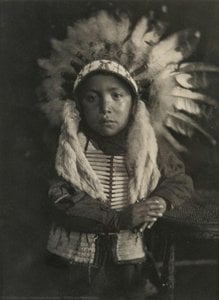
Twórczość Käsebier była niezwykle różnorodna, a jednak zawsze charakteryzowała się głęboką wrażliwością na ludzkie emocje i kwestie społeczne. Najbardziej znana jest być może ze swoich sugestywnych przedstawień macierzyństwa – obrazów, które wykraczały poza zwykły portret, by badać głęboką więź między matką a dzieckiem. Dzieła takie jak „Blessed Art Thou Among Women” (1899) stanowią przykład tego podejścia, chwytając momenty czułości i duchowej łaski. Jednocześnie podjęła przełomowy projekt dokumentujący życie i kulturę rdzennych Amerykanów, zainspirowany wspomnieniami z dzieciństwa w Kolorado i ułatwiony przez jej relację z Williamem „Buffalo Bill” Codym. Fotografie takie jak „Chief Iron Tail” i „Chief Flying Hawk”, przechowywane obecnie w Smithsonian Institution, oferują godne portrety, które rzuciły wyzwanie panującym stereotypom i celebrowały tożsamość Indian. Obrazy te nie były jedynie zapisem etnograficznym; były artystycznymi manifestami przesiąkniętymi szacunkiem i empatią. Käsebier była kluczową postacią ruchu piktorialistycznego, który dążył do wyniesienia fotografii do rangi sztuki pięknej poprzez podkreślanie wizji artystycznej i manipulację procesem fotograficznym. Stosowała techniki takie jak miękkie rysowanie (soft focus), teksturowany druk i ręczne kolorowanie, aby tworzyć obrazy przypominające malarstwo lub miedzioryty, przedkładając ekspresję estetyczną nad surowy realizm.
Trwały wpływ
Wpływ Käsebier wykraczał poza jej własne osiągnięcia artystyczne. Jako założycielka grupy Photo-Secession, u boku Alfreda Stieglitza i innych, odegrała kluczową rolę w kształtowaniu kierunku amerykańskiej fotografii. Jej prace były eksponowane w prestiowym czasopiśmie *Camera Work* wydawanym przez Stieglitza, co dodatkowo umocniło jej reputację w świecie sztuki. Aktywnie promowała również fotografię jako wiarygodną ścieżkę kariery dla kobiet, rzucając wyzwanie normom płciowym i torując drogę przyszłym pokoleniom fotografek. Choć ostatecznie odcięła się od coraz bardziej modernistycznych preferencji estetycznych Stieglitza, wybierając wierność piktorializmowi, jej dziedzictwo trwa. Jej fotografie do dziś rezonują z odbiorcami, oferując wgląd w minioną epokę, a jednocześnie badając uniwersalne tematy miłości, straty i tożsamości kulturowej. Praca Yoked and Muzzled – Marriage (ok. 1915), głęboko osobiste dzieło odzwierciedlające ograniczenia jej własnego małżeństwa, stanowi świadectwo jej odwagi w podejmowaniu trudnych tematów poprzez sztukę. Pionierski duch i wizja artystyczna Gertrude Käsebier ugruntowały jej miejsce jako jednej z najważniejszych wczesnych fotografek Ameryki, pozostawiając niezatarty ślad w historii kultury wizualnej.
Odkrywanie jej twórczości dzisiaj
Niezmienna siła przyciągania fotografii Gertrude Käsebier tkwi w ich zdolności do nawiązywania głębokiej więzi emocjonalnej z widzem. Mistrzowskie operowanie światłem i cieniem, w połączeniu z wrażliwym portretowaniem ludzkich postaci, tworzy obrazy, które są zarówno wizualnie olśniewające, jak i przejmujące. Odkryj więcej dzieł Käsebier na stronie https://WahooArt.com/@/gertrudekasebier i zapoznaj się z bogatą kolekcją Metropolitan Museum of Art, w której znajdują się jej ikoniczne fotografie. Jej twórczość służy jako potężne przypomnienie o transformującej mocy sztuki oraz o znaczeniu zachowania dziedzictwa kulturowego. Wpływowi fotografowie, tacy jak Gertrude Käsebier, nieustannie inspirują nowe pokolenia. Zamów swoją ulubioną fotografię w formie olejnej reprodukcji muzejskiej jakości już dziś na WahooArt.com.



 Zobacz w skali 1:1
 Przełącz na wersję drukowaną
 Wyślij
 Udostępnij
 Szczegóły
 Guide
Guide

 Pobierz plik obrazu
 Podobne obiekty
 RTG
RTG Pokaz slajdów
 Statystyki


 Czytaj więcej






































 Opcja ze szkłem jest dostępna wyłącznie w rozmiarach poniżej 110 cm