Sprzedawaj swoje dzieła
x
Podgląd w skaliPodgląd w skali Podgląd ARPodgląd AR Zamów wydruk Zamów wydrukKup obraz wysokiej rozdzielczości Kup obraz wysokiej rozdzielczości Wyślij jako kartkęWyślij jako kartkę
Szczegóły dziełaSzczegóły dzieła Dodaj do ulubionych Dodaj do ulubionych PobierzPobierz Podobne obiektyPodobne obiekty RTGRTG Pokaz slajdówPokaz slajdów

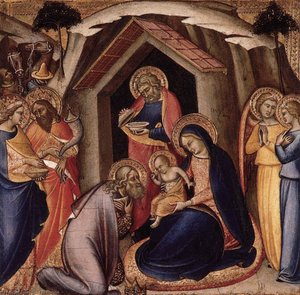
Sceny Życia Świętego Tomasza

Przepiękna reprodukcja obrazu LUCA DI TOMME "Sceny Życia Świętego Tomasza". Klasyka siennej szkoły późnego średniowiecza - doskonała dekoracja wnętrz i prezent dla miłośników sztuki!

Luca di Tomme (c. 1330-1389) was a Sienese painter known for his decorative style, influenced by Duccio & Simone Martini. Explore his tempera panels depicting saints & biblical scenes.

Ręcznie malowana reprodukcja olejowa

Ręcznie malowany obraz olejny na płótnie, wykonany na zamówienie przez naszych artystów w wybranym przez Ciebie wymiarze i oprawie. (Zamów wydruk Zamów wydrukKup obraz wysokiej rozdzielczości Kup obraz wysokiej rozdzielczości)

P118B $10
P118H $10
P118W $10
P438Z $10
P508JH $12
P508YH $12
P805H $10
P805Z $10
P919BZ $10
P919G $10
P919XJ $10
P959ZH $10
P968JZ $12
W106C $8
W218G $10
W218JH $8
W218Y $10
W307PJ $10
W316G $10
W316PJ $8
W316Y $10
W398PJ $8
W4111J $10
W500HY $15
W500JH $15
W692G $12
W849H $8
W940BG $15
W953PJ $8

Standard
custom
CM
INCH

Wybierz spośród naszych standardowych rozmiarów, które zachowują oryginalne proporcje dzieła sztuki.

szerokość
wysokość

Możesz wprowadzić własne wymiary, aby dopasować obraz do konkretnej ramy lub przestrzeni. Jeśli wybrany rozmiar nie będzie odpowiadał proporcjom oryginału, przytniecie dzieło sztuki lub rozszerzymy je o dodatkowe elementy, ręcznie domalowane przez artystę. Przed rozpoczęciem produkcji wyślemy projekt cyfrowy do Twojej akceptacji.
Należy pamiętać, że podgląd na ekranie nie odzwierciedla rzeczywistego przycinania ani rozszerzania obrazu. Tylko projekt dokładnie pokaże ostateczną kompozycję.
Choć oferujemy możliwość zamówienia niestandardowych rozmiarów, zalecamy wybór wymiaru z gotowej listy, aby zachować oryginalne proporcje dzieła.

Przykłady możliwych zmian: Zamień twarz na zdjęcie klienta; Dodaj zwierzę domowe (np. zamień kota na psa); Ukryj wiadomość w tle; Zmień krajobraz lub elementy tła.
Po złożeniu zamówienia zespół WahooArt.com skontaktuje się z klientem drogą mailową w celu uzyskania instrukcji i prześle wizualizację projektu

Dostawa na całym świecie () w ciągu 3–4 tygodni zamiast standardowych 5 tygodni. (17 Sierpień). Bez kompromisów w kwestii jakości.

why_choose_icon
Bezpłatna ekspresowa wysyłka na cały świat
why_choose_icon
Wysokiej jakości płótno lniane
why_choose_icon
Pełne ubezpieczenie przesyłki
why_choose_icon
Gwarancja zwrotu należności celnych i podatków importowych
why_choose_icon
Gwarancja wiernego odwzorowania kolorów
why_choose_icon
Polityka 60-dniowego zwrotu (tylko w przypadku wad)
why_choose_icon
Gwarancja 100% zwrotu kosztów
why_choose_icon
Zniżka przy zamówieniu wielu produktów

Suma całkowita

$ 272

reproduction

Sceny Życia Świętego Tomasza

Technika reprodukcji

Wymiary reprodukcji

-

Cena całkowita

$ 272

Szybki podgląd

  • Year: 1362
  • Influences:
    • Duccio
    • Simone Martini
  • Title: Scenes from the Life of St Thomas
  • Movement: Late Medieval Art
  • Artistic style: Sienese Decorative Style
  • Location: Edinburgh Museum
  • Artist: Luca di Tommè

Quiz o sztuce

Do każdego pytania dotyczy tylko jedna poprawna odpowiedź.

Pytanie 1:
Luca di Tommè is primarily known for his contribution to which artistic movement?
Pytanie 2:
The painting depicts a significant biblical event: Jesus giving St Thomas what symbolic gesture?
Pytanie 3:
What stylistic influence is evident in Luca di Tommè's work, particularly noticeable in the depiction of figures and drapery?
Pytanie 4:
The presence of a chair near the left side of the image serves what purpose within the composition?
Pytanie 5:
Approximately how many paintings attributed to Luca di Tommè have been confidently identified?

Opis dzieła

Luca di Tommè: A Beacon of Siena’s Late Medieval Aesthetic

Luca di Tommè, a name perhaps less resonant in the annals of art history than those of Duccio or Simone Martini, nevertheless occupies a crucial position within the vibrant artistic panorama of Siena during the latter half of the fourteenth century. Active primarily between 1356 and 1389, he represents an indispensable link in the chain connecting Siena’s most celebrated painters to subsequent artistic developments—a testament to his skill and the enduring allure of his distinctive visual language. His prolific output – exceeding fifty confirmed works – ensured that the elegant luminescence characteristic of Siena’s artistic community persisted well into the fifteenth century, cementing his legacy as a master craftsman and a champion of stylistic innovation. Born around 1330 in Italy, Luca di Tommè's biographical details remain tantalizingly elusive, shrouded in the mists of time. Emerging onto the artistic scene during a period marked by considerable dynamism—the burgeoning urban centers of Tuscany witnessed an unprecedented flourishing of creativity—he swiftly established himself as a prominent figure within Siena’s guild system and cultivated relationships with influential patrons. While precise information regarding his formative years is scarce, scholarly consensus suggests that he honed his craft initially in Florence, absorbing the stylistic influences prevalent at the time before relocating to Siena and dedicating himself wholeheartedly to its artistic traditions.

The Depiction of Sacred Narrative: Scenes from the Life of St Thomas

This panel, part of a larger predella commissioned for the Benedictine Abbey of San Giorgio Maggiore in Siena, exemplifies Luca di Tommè’s mastery of tempera paint on wood—a technique favored by Sienese artists during this period. The scene portrays a pivotal moment from Christian scripture: Jesus Christ gifting St Thomas with his stigmata – the wounds mirroring those inflicted upon Christ during his crucifixion. Executed with meticulous detail and bathed in a luminous glaze, characteristic of Siena’s artistic style, it embodies the humanist spirit that permeated Sienese art while simultaneously upholding the solemn grandeur demanded by religious iconography. The composition is carefully balanced, guiding the viewer's gaze towards the central figure of St Thomas, kneeling reverently before Jesus. Surrounding him are figures representing Mary Magdalene and Nicodemus, conveying a palpable sense of piety and contemplation.
  • Style: Luca di Tommè’s style aligns seamlessly with the broader Sienese decorative tradition—influenced profoundly by Duccio and Simone Martini—characterized by flattened perspectives, idealized figures, and an emphasis on expressive color palettes.
  • Technique: The artist skillfully employed tempera paint on wood, layering translucent glazes to achieve remarkable luminosity and depth. This technique allowed for subtle gradations of tone and hue, enhancing the visual impact of the scene.
  • Historical Context: Siena during Luca di Tommè’s lifetime was a hub of artistic activity, fueled by papal patronage and burgeoning mercantile wealth. The predella reflects the prevailing theological concerns of the era—the veneration of saints and biblical narratives served as conduits for spiritual contemplation.

Symbolism and Emotional Resonance

The imagery within “Scenes from the Life of St Thomas” is laden with symbolic significance. St Thomas’s kneeling posture signifies humility and devotion, while Jesus Christ's gesture embodies divine compassion and grace. The inclusion of Mary Magdalene and Nicodemus underscores the universality of faith—representing women and men alike who sought solace in prayer and contemplation. Furthermore, the bowl placed on the ground symbolizes repentance and purification – a visual reminder of humanity’s need for spiritual renewal. Luca di Tommè's masterful rendering captures not merely the factual recounting of scripture but also its profound emotional impact, inviting viewers to engage with themes of faith, suffering, and redemption. This reproduction aims to faithfully recreate the original artwork’s luminous quality and expressive detail, allowing collectors and interior designers alike to appreciate Luca di Tommè's enduring contribution to Sienese art history.

O artyście

Luca di Tommè: A Sienese Master of the Late Medieval Period

Luca di Tommè, a name perhaps less familiar than those of his contemporaries Duccio or Simone Martini, nevertheless stands as a pivotal figure in the vibrant artistic landscape of Siena during the latter half of the 14th century. Active primarily between 1356 and 1389, he represents a crucial link in the chain of Sienese painting, inheriting the stylistic traditions of its most celebrated predecessors while simultaneously forging his own distinctive voice within the established decorative style. His prolific output – over fifty works have been confidently attributed to him – ensured that the elegant, luminous aesthetic of Siena’s artistic community continued to flourish well into the 15th century, a testament to his skill and the enduring appeal of his art.

Born around 1330 in Italy, Luca di Tommè's early life remains somewhat shrouded in mystery. He emerged as an artist during a period of considerable artistic dynamism in Siena, a city renowned for its independent spirit and thriving patronage system. The Sienese school, deeply influenced by the innovations of Duccio and Simone Martini at Florence, was characterized by a rich palette, delicate modeling, and a profound understanding of iconography – particularly within religious narratives. Luca’s work reflects this heritage, demonstrating a masterful command of tempera on wood panels, a technique common to the period and perfectly suited to capturing the subtle nuances of color and texture.

The Influence of Sienese Tradition

Luca di Tommè's artistic development is inextricably linked to the established traditions of Siena. He was undoubtedly influenced by the pioneering work of Duccio, Simone Martini, Pietro Lorenzetti, and Ambrogio Lorenzetti – artists who had revolutionized painting with their innovative use of color, perspective, and emotional expression. However, Luca didn’t simply imitate his predecessors; he skillfully absorbed their techniques and stylistic elements, integrating them into a distinctly personal approach.

Early in his career, Luca's paintings exhibit a clear debt to the Sienese masters, particularly in their meticulous attention to detail and their adherence to established iconographic conventions. His compositions are often balanced and harmonious, reflecting the prevailing aesthetic ideals of the time. However, as he matured as an artist, Luca began to introduce subtle shifts in his style, moving towards a more expressive use of line and a greater emphasis on decorative elements. This evolution is particularly evident in his later works, where he demonstrates a growing independence from purely imitative approaches.

Key Works and Artistic Style

Luca di Tommè’s oeuvre comprises a diverse range of subjects, primarily religious scenes depicting the Virgin Mary with the Christ Child, saints, and biblical figures. His most celebrated works include “Virgin and Child with Saints,” a poignant depiction of the Madonna surrounded by a haloed assembly of holy men, and “Virgin and Child with Sts. Louis of Toulouse and Michael,” which showcases his skill in rendering delicate drapery and conveying a sense of serene spirituality. The "Madonna and Child" is another notable example of his style.

A defining characteristic of Luca’s art is his masterful use of tempera on wood panels, a medium that allowed him to achieve remarkable luminosity and depth of color. His paintings are characterized by their rich palette, shimmering surfaces, and intricate detailing. He employed a technique known as *sfumato*, creating soft transitions between colors and tones, which contributes to the ethereal quality of his works. Furthermore, Luca’s compositions often feature a dynamic interplay of light and shadow, adding drama and visual interest.

Collaboration and Legacy

Luca di Tommè's career was marked by significant collaborations, most notably with Bartolo di Fredi and Andrea di Bartolo on a large altarpiece commissioned for the cathedral of Siena in 1389. These partnerships demonstrate his ability to work effectively within a team and contribute to complex artistic projects. His association with these prominent artists further solidified his position as a leading figure in the Sienese art world.

Despite his relatively short career – he died around 1389 – Luca di Tommè left an enduring legacy. His prolific output ensured that the decorative Sienese style continued to thrive well into the 15th century, influencing subsequent generations of artists. His work serves as a valuable bridge between the late medieval and early Renaissance periods, embodying the artistic spirit of Siena during a time of profound cultural change. The meticulous documentation by Sherwood A. Fehm Jr., in his book “Luca di Tommè: A Sienese Fourteenth-Century Painter,” provides invaluable insight into this artist’s life and work.

Further Exploration

For those seeking to delve deeper into the world of Luca di Tommè, several resources offer valuable information. The Web Gallery of Art (https://www.wga.hu/bio/l/luca/biograph.html) provides a comprehensive biography and images of his works, while the Wikipedia article (https://en.wikipedia.org/wiki/Luca_di_Tomm%C3%A8) offers a detailed historical overview of his life and artistic contributions. The Museo Thyssen-Bornemisza in Madrid also houses several examples of his work, offering visitors the opportunity to admire these masterpieces firsthand.

luca di tommè

luca di tommè

1330 - 1389 , Italy

Krótka nota

  • Artistic Movement Or Style: Sienese Proto Renaissance
  • Artists Or Movements Influenced By This Artist:
    • Bartolo di Fredi
    • Andrea di Bartolo
  • Artists Who Influenced This Artist:
    • Duccio
    • Simone Martini
    • Pietro Lorenzetti
    • Ambrogio Lorenzetti
  • Date Of Birth: c. 1330
  • Date Of Death: 1389
  • Full Name: Luca di Tommè
  • Nationality: Italian
  • Notable Artworks:
    • Virgin and Child with Saints
    • Madonna and Child
    • Virgin and Child with Sts. Louis & Michael
  • Place Of Birth: Italy
Odkryj dzieła sztuki uporządkowane według tematów, stylów i cech charakterystycznych.