DARMOWA KONSULTACJA ARTYSTYCZNA

x
Zamów wydruk Zamów wydrukKup cyfrowy obraz Kup cyfrowy obraz UdostępnijUdostępnij
Szczegóły dziełaSzczegóły dzieła Dodaj do ulubionych Dodaj do ulubionych PobierzPobierz Podobne obiektyPodobne obiekty RTGRTG Pokaz slajdówPokaz slajdów

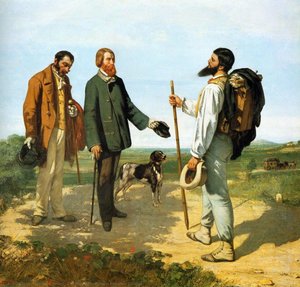
Study

Gustave Courbet (1819-1877): Żegnaj Gustave Courbet! Ikona Realizmu. Odkryj monumentalne pejzaże i obraz „Żegnaj Gustave Courbet” oraz jego wpływ na sztukę XIX wieku!

Ręcznie malowana reprodukcja olejowa

Ręcznie malowany olej na płótnie w Twoim wymiarze i ramie, tworzony na zamówienie przez naszych artystów.

P118B $10
P118H $10
P118W $10
P438Z $10
P508JH $12
P508YH $12
P805H $10
P805Z $10
P919BZ $10
P919G $10
P919XJ $10
P959ZH $10
P968JZ $12
W106C $8
W218G $10
W218JH $8
W218Y $10
W307PJ $10
W316G $10
W316PJ $8
W316Y $10
W398PJ $8
W4111J $10
W500HY $15
W500JH $15
W692G $12
W849H $8
W940BG $15
W953PJ $8

Standard
custom
CM
INCH

Wybierz spośród naszych predefiniowanych rozmiarów, które zachowują oryginalne proporcje dzieła sztuki.

szerokość
wysokość

Możesz wprowadzić własne wymiary, aby dopasować obraz do konkretnej ramy lub przestrzeni. Jeśli wybrany rozmiar nie będzie odpowiadał proporcjom oryginału, przytniecie dzieło sztuki lub rozszerzymy je o dodatkowe elementy, ręcznie domalowane przez artystę. Przed rozpoczęciem produkcji wyślemy projekt cyfrowy do Twojej akceptacji.
Należy pamiętać, że podgląd na ekranie nie odzwierciedla rzeczywistego przycinania ani rozszerzania obrazu. Tylko projekt dokładnie pokaże ostateczną kompozycję.
Choć oferujemy możliwość zamówienia niestandardowych rozmiarów, zalecamy wybór wymiaru z gotowej listy, aby zachować oryginalne proporcje dzieła.

Przykłady możliwych zmian: Zamień twarz na zdjęcie klienta; Dodaj zwierzę domowe (np. zamień kota na psa); Ukryj wiadomość w tle; Zmień krajobraz lub elementy tła.
Po złożeniu zamówienia zespół WahooArt.com skontaktuje się z klientem drogą mailową w celu uzyskania instrukcji i prześle wizualizację projektu

Dostawa na całym świecie () w ciągu 3/4 tygodni zamiast standardowych 5 tygodni. (7 Lipiec). Bez kompromisów w kwestii jakości.

why_choose_icon
Bezpłatna ekspresowa wysyłka na cały świat
why_choose_icon
Wysokiej jakości płótno lniane
why_choose_icon
Pełne ubezpieczenie przesyłki
why_choose_icon
Gwarancja zwrotu należności celnych
why_choose_icon
Gwarancja pełnego zgodności kolorystycznej
why_choose_icon
Polityka 60-dniowego zwrotu (tylko w przypadku wad)
why_choose_icon
Gwarancja 100% zwrotu pieniędzy
why_choose_icon
Zniżka przy większych zamówieniach

Suma całkowita

-

reproduction

Study

Technika reprodukcji

Wymiary reprodukcji

-

Cena całkowita

-

Szybkie fakty

  • Medium: Oil on Canvas
  • Artistic style: Realistic
  • Location: Private Collection
  • Subject or theme: Portraiture; Still Life
  • Influences: Romanticism
  • Movement: Realism
  • Artist: Gustave Courbet

Quiz o sztuce

Na każde pytanie istnieje tylko jedna poprawna odpowiedź.

Pytanie 1:
What artistic movement is Gustave Courbet’s ‘Study’ primarily associated with?
Pytanie 2:
The drawing depicts a man holding what object prominently?
Pytanie 3:
What is the dominant visual style employed in ‘Study’?
Pytanie 4:
Based on its description, what might be the purpose of this artwork?
Pytanie 5:
The inclusion of an apple and a bowl in the composition contributes to what aspect of Courbet’s artistic vision?

Opis dzieła

A Study in Quiet Observation: Gustave Courbet’s Reflection on Reality

Gustave Courbet, born Jean Désiré Gustave Courbet in Ornans, France, in 1819, stands as a pivotal figure in the history of art – a rebel who dared to confront the conventions of his era and champion an uncompromising vision of truth. More than just a painter; he was a sculptor, printmaker, and photographer, demonstrating a breadth of artistic exploration that cemented his legacy as one of France’s most influential artists.

  • Early Influences & Formal Training: Courbet's formative years were marked by familial encouragement towards artistic pursuits – a rare circumstance for the time – fostering an ambition that propelled him toward the École des Beaux-Arts in Paris. However, he swiftly recognized the limitations of academic idealism and sought inspiration from artists like Eugène Delacroix and Théodore Géricault, acknowledging their stylistic prowess while simultaneously rejecting their romanticized narratives.
  • The Birth of Realism: Courbet’s rejection of artistic dogma wasn't merely aesthetic; it was fundamentally philosophical. He argued passionately for portraying the world as he perceived it – unvarnished, honest, and devoid of embellishment—a stance that directly challenged the prevailing artistic trends of Romanticism. This conviction fueled his groundbreaking approach to painting, prioritizing meticulous observation over idealized representation.
  • “A Brook in a Clearing” - A Testament to Detail: Consider Courbet’s “A Brook in a Clearing,” completed around 1865. This landscape masterpiece exemplifies Realist principles through its painstaking attention to detail and masterful use of atmospheric perspective. The painting captures the tranquil beauty of Fontcouverte with remarkable accuracy, reflecting Courbet's dedication to faithfully documenting the natural world as he experienced it.

Exploring Symbolism Within Everyday Scenes

Courbet’s artistic vision extended beyond mere visual representation; he imbued his works with subtle symbolic resonance. Unlike Romantic artists who sought to elevate subjects to lofty ideals, Courbet focused on capturing ordinary life – farmers, laborers, and rural landscapes—transforming these commonplace scenes into vehicles for social commentary. He aimed to depict the realities of the working class, confronting societal prejudices and advocating for a more egalitarian worldview.

  • Social Critique: Courbet’s paintings frequently served as critiques of bourgeois society and its pretensions. By portraying subjects from marginalized communities with dignity and respect, he challenged artistic conventions that prioritized aristocratic grandeur over human experience.
  • The Power of Observation: His technique—characterized by thick impasto brushstrokes and a deliberate rejection of blending—served not only to convey visual accuracy but also to imbue his canvases with emotional intensity. Courbet’s approach mirrored the broader Realist movement's belief in capturing the essence of human existence through direct observation.

“Study for Landscape with Waterfall” – Romantic Echoes Amidst Precision

"Study for Landscape with Waterfall," painted circa 1867, showcases Courbet’s ability to synthesize Romantic ideals with meticulous technique. While retaining the atmospheric grandeur characteristic of Romantic landscapes—particularly evident in the misty hues and dramatic lighting—the painting demonstrates Courbet's unwavering commitment to realism through detailed rendering of foliage and rock formations.

  • Blending Styles: This artwork exemplifies Courbet’s masterful blending of stylistic influences, demonstrating that artistic innovation doesn’t necessitate abandoning established traditions but rather reimagining them within a framework of profound observation.
  • Emotional Resonance: Despite its technical precision, “Study for Landscape with Waterfall” retains an undeniable emotional depth—a testament to Courbet's conviction that art should strive to convey genuine feeling alongside accurate depiction.

A Legacy Beyond Technique

Gustave Courbet’s enduring influence stems not solely from his artistic prowess but also from his courageous assertion of artistic independence. He irrevocably altered the course of art history, establishing Realism as a dominant aesthetic and inspiring generations of artists to confront societal injustices with unflinching honesty. His unwavering belief in portraying the world truthfully continues to resonate today, reminding us that true artistry lies in capturing the complexities of human experience—warts and all.


Biografia artysty

A Rebel’s Brush: The Life and Legacy of Gustave Courbet

Jean Désiré Gustave Courbet, born in Orléans, France, on June 10, 1819, stands as a monumental figure in the history of art – a defiant iconoclast who irrevocably altered the trajectory of nineteenth-century painting. More than simply capturing visual impressions; his artistic journey embodies a profound rejection of convention and an unwavering dedication to portraying reality with uncompromising honesty. His formative years were marked by familial stability and encouragement from his mother, fostering within him a passion for artistic pursuits that would propel him toward a transformative confrontation with the established artistic landscape.

Early Training and Parisian Influences

Formal training commenced at the École des Beaux-Arts in Paris in 1839, yet Courbet swiftly recognized the limitations of academic formalism. Dissatisfaction grew as he observed the prevailing Romantic idealism – a preoccupation with emotion and mythology – which clashed violently with his own artistic sensibilities. Despite acknowledging influences from luminaries like Eugène Delacroix and Théodore Géricault, whose dramatic canvases captivated audiences, Courbet resolutely forged his own path, prioritizing observation over imaginative embellishment and truthfulness above tradition. He sought inspiration in the works of Caravaggio, particularly his masterful use of chiaroscuro – dramatic contrasts between light and dark – recognizing its ability to convey psychological depth and emotional intensity.

The Birth of Realism: Challenging Artistic Conventions

Courbet’s artistic breakthrough arrived with a deliberate repudiation of prevailing aesthetic standards. He eschewed grand narratives and heroic portrayals, instead focusing on the everyday lives of ordinary individuals—particularly laborers and rural inhabitants—a decision that would fundamentally reshape the art world. This commitment to depicting reality without romantic embellishment – Realism – initially encountered vehement opposition from critics accustomed to idealized representations steeped in myth and emotion. Early canvases explored landscapes and portraits, but soon pivoted toward scenes of working-class existence rendered on monumental scales traditionally reserved for historical or religious paintings. This wasn’t merely stylistic; it was a declaration about the inherent dignity and significance of subjects often marginalized by artistic discourse. The painting “The Stone Breakers,” completed in 1849, tragically destroyed during World War II, exemplifies this ethos—a stark depiction of two laborers toiling away under oppressive conditions, their faces obscured by exhaustion and despair. It powerfully conveyed a message of social justice and challenged the prevailing notion that art should cater solely to aristocratic tastes.

Major Works and Artistic Philosophy

Courbet’s artistic philosophy extended beyond subject matter; it encompassed technique—specifically, *impasto*, applying paint thickly onto the canvas to create textured surfaces that emphasized the materiality of the medium itself. This bold approach mirrored Caravaggio's dramatic use of light and shadow, furthering his rejection of academic conventions. Paintings like “A Burial at Ornans” (1850-51) provoked considerable controversy due to their sheer scale and unflinching realism—a deliberate provocation against societal expectations regarding artistic subject matter. Courbet’s exploration of themes such as the artist's studio (“The Painter’s Studio,” 1855) served as a visual manifesto for his belief in artistic freedom and social engagement, reflecting his conviction that art should confront uncomfortable truths and inspire critical reflection. His participation in the Salon des Refusés in 1863—an exhibition of rejected artworks—solidified his reputation as a rebellious champion of artistic liberty and underscored his unwavering defiance against institutional censorship.

Legacy and Historical Significance

Gustave Courbet’s influence on subsequent art movements is undeniable. He liberated Impressionists and Post-Impressionists from the constraints of academic tradition, encouraging them to experiment with new visual languages and explore uncharted territories of perception. His insistence on portraying reality without embellishment paved the way for later socially conscious artists who utilized their work as instruments of political commentary and social reform. Courbet’s unwavering dedication to artistic integrity—coupled with his courageous stance against societal norms—secured his place as a pivotal figure in art history, ensuring that his legacy continues to inspire generations of artists striving to capture the essence of human experience with unflinching honesty and conviction. He died April 29, 1877.
Gustaw Courbet

Gustaw Courbet

1819 - 1877 , Francja

Kluczowe informacje

  • Artistic Movement Or Style: Realizm
  • Artists Or Movements Influenced By This Artist:
    • Impressionizm
    • Post-Impressionizm
  • Artists Who Influenced This Artist:
    • Eugène Delacroix
    • Théodore Géricault
    • Caravaggio
  • Date Of Birth: 10 czerwca 1819
  • Full Name: Gustave Courbet
  • Nationality: Francuz
  • Notable Artworks:
    • Żegnaj Gustave Courbet
    • Rocky Seashore
    • Château du Chillon
  • Place Of Birth: Ornans, Francja
Odkryj dzieła sztuki uporządkowane według tematów, stylów i cech charakterystycznych.