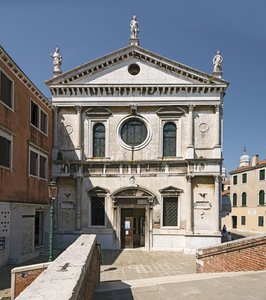
Veronese, 1528 – 1588

The 100 Most Famous Paintings by Veronese

The painting that made Veronese famous is Bryllup ved Kana (1563); it hangs in the Louvre, Paris. Feast in the House of Levi (1573) and Lucretia (1580) follow it in the hearts of collectors and museum visitors. Of the 522 works by Veronese in our catalogue, these 100 are the most admired, each presented with its date, its museum and what sets it apart.

Ranked by our popularity score, which combines the searches, visits and orders for each work. Updated October 2026. Every masterpiece on this page can be ordered as a museum-quality, hand-painted oil reproduction or a fine art print, at the size you choose.

Portrait of Veronese
Veronese · 1528 – 1588
Born · died
1528 – 1588, Verona
Movement
Renessanse
Works in our catalogue
522
Most famous
Bryllup ved Kana (1563)
Most works at
Palazzo Ducale

Veronese: the ten masterpieces

Bryllup ved Kana (1563) by Veronese
1

Bryllup ved Kana

1563 · Olje på lerret · Louvre, Paris

Paolo Veroneses “Bryllup ved Kana” er mer enn bare et bilde; det er en dør inn i en overdådig verden, et øyeblikks fanget fra en tid da kunst og religion smeltet sammen i en symfoni av farger, lys og menneskelig handling. Denne monumentale komposisjonen, som nå pryder veggene i Louvre-museet i Paris, er et bevis på Veroneses mesterskap som dekorasjonskunstner og hans evne til å skape bilder som både forfører…

Feast in the House of Levi (1573) by Veronese
2

Feast in the House of Levi

1573 · Oil On Canvas · Gallerie dell'Accademia di Venezia, Venezia

Paolo Veronese's 1573 masterpiece, *Feast in the House of Levi*, residing within the Gallerie dell’Accademia in Venice, isn’t merely a painting; it’s an immersive theatrical experience captured on canvas. Measuring a staggering 555 cm by 1280 cm – a scale that demands reverence and immediate engagement – the work immediately overwhelms with its sheer abundance of figures, vibrant colors, and meticulously rendered architectural details. It's a testament to Veronese’s unparalleled…

Lucretia (1580) by Veronese
3

Lucretia

1580 · Olje på lerret · Kunsthistorisches Museum, Wien

Paolo Veroneses “Lucretia” er mer enn bare et portrett; det er en levende skildring av renæssance-elegance, sorg og dygd. Ferdigstilt i 1580, er dette mesterverket et fascinerende innblikk i den italienske kunstens gullalder, der Veronese, sammen med Titian og Tintoretto, utformet en unik stil som kombinerte luksus, drama og en dyp følelse av menneskelig erfaring. Bildet, nå en del av et privat samlingsverk, forteller en historie om mot, tap og…

Bryllupet i Kana (1563) by Veronese
4

Bryllupet i Kana

1563 · Olje på lerret · Louvre, Paris

Paolo Veroneses monumentale mesterverk, "Bryllupet i Kana," er mer enn bare et maleri; det er en visuell symfoni som fanger essensen av renessansens overdådige eleganse og den bibelske fortellingens dype åndelighet. Skapt i 1563 for refektoriet i San Giorgio Monastery i Venezia, utstråler dette enorme lerretet en følelse av feiring og mirakuløs transformasjon som fortsatt berører oss i dag. Veronese, en mester i farge og komposisjon, skapte et verk som…

The Wedding at Cana by Veronese
5

The Wedding at Cana

Oil On Canvas · Grand Palais, Paris

To step into the world of Paolo Veronese is to enter a grand Venetian ballroom, where the air feels thick with the scent of celebration and every surface seems to shimmer with an almost impossible light. His monumental masterpiece, The Wedding at Cana, is not merely a depiction of a biblical miracle; it is an immersive theatrical experience. Painted in 1563, this colossal oil on canvas transforms the sacred story…

Dialectics (1578) by Veronese
6

Dialectics

1578 · Oil On Canvas · Palazzo Ducale, Venezia

The Enigmatic Dance of Thought: Veronese’s “Dialectics” Paolo Veronese's "Dialectics," painted in 1578-82, is not merely a portrait; it’s an invitation into the very heart of Renaissance intellectualism. More than just a depiction of a woman – identified by some scholars as Veronica Franco, a celebrated Venetian courtesan and poet – the painting unfolds as a complex allegorical tableau, brimming with philosophical symbolism and executed in Veronese's signature opulent style.…

Venus og Adonis (1586) by Veronese
7

Venus og Adonis

1586 · Olje på lerret · Kunsthistorisches Museum, Wien

Paolo Veroneses «Venus og Adonis», malt i 1586, er mer enn bare et bilde; det er en levende portal til den rike og overdådige verdenen av 16. århundrets Venezia. Dette monumentale verket, nå bevart i Museo del Prado i Madrid, utstråler en unik blanding av mytologi, lidenskap og teknisk mesterskefiende – et testament til Veroneses evne til å fange essensen av sin tid og skape kunst som fortsatt forblir betagende.…

Mars Undressing Venus (1570) by Veronese
8

Mars Undressing Venus

1570 · Oil On Canvas · National Gallery of Scotland, Edinburgh

In the heart of the Italian Renaissance, where the shimmering canals of Venice met the intellectual fervor of humanist thought, Paolo Veronese breathed life into one of the era's most captivating narratives. Mars Undressing Venus is not merely a painting; it is a theatrical performance captured in oil, a monumental tableau that invites the viewer into a private, mythic moment. Completed around 1570, this masterpiece orchestrates a delicate dance between…

Sala dell'Olimpo (1560) by Veronese
9

Sala dell'Olimpo

1560 · Fresco · Villa Barbaro, Matera

Paolo Veronese’s *Sala dell’Olimpo*, painted in 1560, is more than just a fresco; it’s an immersive journey into the heart of classical mythology and Renaissance grandeur. This monumental work, likely intended for a lavish ceiling, immediately overwhelms with its scale and density – a teeming world populated by gods, heroes, and allegorical figures engaged in a dramatic narrative that speaks to themes of power, victory, and divine authority. The sheer…

Takdekorasjon (detalje) (1578) by Veronese
10

Takdekorasjon (detalje)

1578 · Olje på lerret · Palazzo Ducale, Venezia

Takdekorasjonen, et utsnitt fra Paolo Veroneses monumentale verk i Dogepalasset i Venezia, er mer enn bare et dekorativt grep; det er en oppslukende teateropplevelse gjengitt i livlig fresko. Fullført rundt 1578, fanger dette partiet et mikrokosmos av hele komposisjonen – en blendende fremvisning av figurer, arkitektonisk prakt og en mesterlig manipulering av lys som umiddelbart trekker betrakteren inn i dets overdådige verden. Veronese, en venetiansk mester kjent for sin dramatiske…

More Veronese masterpieces, 11 to 100

Assumption of the Virgin (1586) by Veronese
#13

Assumption of the Virgin

1586 · Gallerie dell'Accademia di Venezia

Paolo Veronese’s “Assumption of the Virgin,” completed in 1586, is more than simply a religious depiction; it’s an immersive theatrical experience rendered in oil on canvas. Measuring a…

Order a reproduction →
Feast in the House of Levi (detail) (15) (1573) by Veronese
#16

Feast in the House of Levi (detail) (15)

1573 · Gallerie dell'Accademia di Venezia

To gaze upon Paolo Veronese's "Feast in the House of Levi (detail)" is to step directly into a moment suspended between earthly pleasure and divine narrative. This magnificent…

Bring it home →
Plato (1560) by Veronese
#18

Plato

1560 · Biblioteca Marciana

Paolo Veronese’s “Plato,” painted circa 1560 and currently residing in the Biblioteca Nazionale Marciana in Venice, is more than simply a portrait; it's a meticulously crafted embodiment of…

Commission a hand-painted copy →
Saint Sebastian (1565) by Veronese
#19

Saint Sebastian

1565 · Kunsthistorisches Museum

A heavy, classical stone column anchors the left side of the frame, its grey surface weathered and rough against the warmth of human skin. Bound to this cold…

Order a reproduction →
The Resurrection of Christ (1570) by Veronese
#20

The Resurrection of Christ

1570 · Gemäldegalerie Alte Meister

The Resurrection of Christ by Paolo Veronese Paolo Veronese’s “The Resurrection of Christ,” completed in 1570 during his zenith as Venetian maestro, stands as an unparalleled testament to…

Order a reproduction →
Apotheosis of Venice (1585) by Veronese
#21

Apotheosis of Venice

1585 · Palazzo Ducale

Paolo Veronese's *Apotheosis of Venice*, completed in 1585, is not merely a painting; it’s an immersive theatrical experience captured on canvas. Commissioned for the ceiling of the Sala…

Commission a hand-painted copy →
Conquest of Smyrna (1585) by Veronese
#22

Conquest of Smyrna

1585 · Palazzo Ducale

Paolo Veronese’s “Conquest of Smyrna,” painted in 1585, isn't merely a depiction of battle; it’s an immersive theatrical experience. Commissioned for the Sala del Maggior Consiglio (Great Council…

Commission a hand-painted copy →
Christ and the Adulteress (1585) by Veronese
#23

Christ and the Adulteress

1585 · Kunsthistorisches Museum

In this large-scale oil painting from 1585, we find ourselves drawn into a dramatic biblical scene of profound tension. The composition is panoramic, almost frieze-like, arranging several figures…

Bring it home →
Aristotele (1560) by Veronese
#24

Aristotele

1560 · Biblioteca Marciana

Paolo Veronese's "Aristotle," painted in 1560, isn’t merely a portrait; it’s an invitation into the heart of philosophical contemplation. This remarkable work, now residing within the Biblioteca Marciana…

Commission a hand-painted copy →
Crucifixion (1580) by Veronese
#25

Crucifixion

1580 · San Lazzaro dei Mendicanti

To stand before Paolo Veronese’s Crucifixion is to be swept into a whirlwind of 16th-century Venetian grandeur and profound spiritual tension. This monumental work, dating from 1580, transcends…

Bring it home →
Youth between Virtue and Vice (1580) by Veronese
#27

Youth between Virtue and Vice

1580 · Museo del Prado

In the grand tapestry of the late Renaissance, few works capture the tension of the human soul as poignantly as Paolo Veronese’s “Youth between Virtue and Vice.” Completed…

Bring it home →
The Coronation of Hebe (1584) by Veronese
#29

The Coronation of Hebe

1584 · Isabella Stewart Gardner Museum

The Coronation of Hebe is a significant work by Paolo Veronese, though it is currently attributed to the Studio of Paolo Veronese. This large-scale oil on canvas was…

Bring it home →
The Rape of Europa (1570) by Veronese
#31

The Rape of Europa

1570 · National Gallery

The Rape of Europa: A Venetian Masterpiece of Myth and Desire Paolo Veronese’s *The Rape of Europa*, painted in 1570, is not merely a depiction of a classical…

Bring it home →
Crucifixion (1580) by Veronese
#32

Crucifixion

1580 · Gallerie dell'Accademia di Venezia

To stand before Paolo Veronese’s Crucifixion is to be enveloped by a wave of dramatic, almost overwhelming emotion. This monumental oil painting from 1580 does not merely depict…

Order a reproduction →
Christ with the Disciples in Emmaus (1560) by Veronese
#33

Christ with the Disciples in Emmaus

1560 · Staatliche KunstSammlungen Dresden

The scene unfolds in Christ with the Disciples in Emmaus, a monumental oil on canvas by Paolo Veronese. Completed about 1560, this work captures a pivotal biblical encounter.…

Bring it home →
Conversion of Saul (1570) by Veronese
#34

Conversion of Saul

1570 · Eremitasjen

The composition centers on the sudden, violent interruption of Saul’s journey. He is captured mid-fall, thrown from his horse by a force that transcends the physical. The scene…

Order a reproduction →
St Sebastian (1558) by Veronese
#37

St Sebastian

1558 · San Sebastiano

To stand before this depiction of Saint Sebastian is to be enveloped in a moment suspended between earthly suffering and celestial grace. The composition immediately draws the eye…

Adoration of the Kings (1585) by Veronese
#38

Adoration of the Kings

1585 · Kunsthistorisches Museum

The painting titled Adoration of the Kings is an oil on canvas work attributed to the artist Paolo Veronese. Known also by his birth name, Paolo Caliari, the…

Order a reproduction →
The Vision of St Helena (1575) by Veronese
#39

The Vision of St Helena

1575 · National Gallery

Paolo Veronese's "The Vision of Saint Helena," painted in 1570-75, isn’t merely a religious depiction; it’s a profound meditation on faith, prophecy, and the enduring power of divine…

Order a reproduction →
The Allegory of Love II: Scorn (1575) by Veronese
#42

The Allegory of Love II: Scorn

1575 · National Gallery

Paolo Veronese's "The Allegory of Love II," painted in 1575, is not merely a depiction of a scene; it’s an immersive theatrical experience rendered in oil on canvas.…

Bring it home →
Resurrection of Jesus (1572) by Veronese
#44

Resurrection of Jesus

1572 · Staatliche KunstSammlungen Dresden

The painting titled Resurrection of Jesus is a work by the artist Paolo Veronese. Created about 1572, this oil on canvas captures a singular moment of divine transition.…

Bring it home →
Christ and the Centurion (1571) by Veronese
#45

Christ and the Centurion

1571 · Museo del Prado

In this significant oil on canvas, Christ and the Centurion, the artist Paolo Veronese presents a dramatic encounter set within a grand architectural framework. Painted in 1571, the…

Order a reproduction →
End wall of the Stanza del Cane (1560) by Veronese
#48

End wall of the Stanza del Cane

1560 · Villa Barbaro

Paolo Veronese's “End Wall of the Stanza del Cane,” completed in 1561, stands as a monumental testament to Venetian Renaissance artistry—a breathtaking fresco that transcends mere decoration to…

Bring it home →
Apotheosis of Venice (1585) by Veronese
#49

Apotheosis of Venice

1585 · Palazzo Ducale

A Celebration of Venetian Grandeur: Exploring Paolo Veronese’s Apotheosis of Venice The Sala del Maggior Consiglio in the Doges' Palace stands as a testament to Venetian power and…

Bring it home →
Assumption (1558) by Veronese
#51

Assumption

1558 · Basilica dei Santi Giovanni e Paolo

To gaze upon this monumental depiction of the Assumption of Mary is to be swept away by a tide of divine glory. Paolo Veronese, master of Venetian splendor,…

Commission a hand-painted copy →
Crucifixion (detail) (1580) by Veronese
#52

Crucifixion (detail)

1580 · Gallerie dell'Accademia di Venezia

This evocative scene transports the viewer directly into the heart of a dramatic medieval epoch. Though titled Crucifixion (detail), the visual evidence presents a far grander tableau—a bustling,…

Order a reproduction →
Last Supper (1585) by Veronese
#54

Last Supper

1585 · Pinacoteca di Brera

The air within the room feels heavy with the weight of a shared moment, yet the scene pulses with an unexpected energy. Around a long, expansive table, Jesus…

Commission a hand-painted copy →
Apotheosis of Venice (1585) by Veronese
#57

Apotheosis of Venice

1585 · Palazzo Ducale

To gaze upon this monumental depiction, Apotheosis of Venice, is to be swept away by a tide of color and human drama. It is not merely a painting;…

Bring it home →
Assumption (detail) (1558) by Veronese
#58

Assumption (detail)

1558 · Basilica dei Santi Giovanni e Paolo

To gaze upon this detail from Paolo Veronese’s monumental work, Assumption, is to be swept away by a tide of divine spectacle and human drama intertwined. The scene…

Bring it home →
Saturn (Time) and Historia (1560) by Veronese
#59

Saturn (Time) and Historia

1560 · Villa Barbaro

To gaze upon Paolo Veronese's "Saturn (Time) and Historia" is to step directly into the opulent, sun-drenched drama of the Italian High Renaissance. This magnificent fresco, executed in…

St Luke (1555) by Veronese
#62

St Luke

1555 · San Sebastiano

To stand before a depiction such as Paolo Veronese’s St Luke is to step directly into the luminous heart of the High Renaissance. This masterpiece, painted in 1555,…

Bring it home →
Venice, Hercules, and Ceres (1575) by Veronese
#64

Venice, Hercules, and Ceres

1575 · Gallerie dell'Accademia di Venezia

In the heart of the sixteenth century, as the Venetian Republic reached the zenith of its political and cultural influence, Paolo Veronese breathed life into the very walls…

Feast in the House of Simon (detail) (1556) by Veronese
#66

Feast in the House of Simon (detail)

1556 · Galleria Sabauda

Paolo Veronese's “Feast in the House of Simon (detail)” isn’t merely a painting; it’s an immersive experience, a vibrant snapshot of 16th-century Venetian society captured with audacious color…

Bring it home →
St Mark (1555) by Veronese
#67

St Mark

1555 · San Sebastiano

To stand before this depiction of St Mark is to be enveloped by the vibrant, theatrical spirit of High Renaissance Venice. Paolo Veronese, the undisputed master of color…

Commission a hand-painted copy →
Monk with a Black Boy (1558) by Veronese
#69

Monk with a Black Boy

1558 · San Sebastiano

To stand before Paolo Veronese's Monk with a Black Boy is to step directly into the luminous, richly colored heart of 16th-century Venice. This fresco fragment, dating from…

Feast in the House of Levi (detail) (12) (1573) by Veronese
#71

Feast in the House of Levi (detail) (12)

1573 · Gallerie dell'Accademia di Venezia

Paolo Veronese's "Feast in the House of Levi," a monumental painting dominating the Accademia Gallery in Venice, isn’t merely a depiction of a biblical scene; it’s an immersive…

Bring it home →
Pietà (detail) (1581) by Veronese
#73

Pietà (detail)

1581 · Eremitasjen

Paolo Veronese's “Pietà,” a meticulously detailed study focusing on the central figure within the larger composition, stands as a testament to the Venetian painter’s mastery of color, light,…

Order a reproduction →
Mars and Venus by Veronese
#78

Mars and Venus

To stand before Paolo Veronese’s depiction of Mars and Venus is to step across the threshold into a moment suspended between conflict and profound serenity. This masterpiece, rendered…

Bring it home →
Allegory of Love, III: Respect (1575) by Veronese
#79

Allegory of Love, III: Respect

1575 · National Gallery

In the golden age of the Venetian Renaissance, few artists could capture the intoxicating blend of opulence and human emotion as masterfully as Paolo Veronese. His 1575 masterpiece,…

Order a reproduction →
The Crucifixion (1580) by Veronese
#83

The Crucifixion

1580 · Szépművészeti Múzeum

Paolo Veronese’s “Crucifixion,” painted around 1582, isn't merely a depiction of a pivotal religious event; it’s an immersive theatrical experience rendered in the vibrant, opulent style that defined…

Bring it home →
The Triumph of Mordecai (1556) by Veronese
#84

The Triumph of Mordecai

1556 · San Sebastiano

A Venetian Spectacle: Decoding the Triumph of Mordecai Paolo Veronese, a titan amongst Venetian Renaissance painters, gifted us with “The Triumph of Mordecai,” a monumental oil on canvas…

Bring it home →
Baptism of Christ (1561) by Veronese
#87

Baptism of Christ

1561 · Santissimo Redentore

A Venetian Masterpiece: The Baptism of Christ by Paolo Veronese The scene unfolds with an arresting grandeur – *The Baptism of Christ* by Paolo Veronese, completed in 1561,…

Order a reproduction →
Adoration of the Magi (1573) by Veronese
#88

Adoration of the Magi

1573 · National Gallery

A Symphony of Color and Faith: Exploring Paolo Veronese’s ‘Adoration of the Magi’ Paolo Veronese, a Venetian visionary whose legacy continues to inspire awe centuries later, stands as…

Commission a hand-painted copy →
St Jerome (1580) by Veronese
#89

St Jerome

1580 · Gallerie dell'Accademia di Venezia

Paolo Veronese’s “St Jerome in the Wilderness,” completed around 1585–90, stands as a cornerstone of Venetian Renaissance art—a testament to Veronese’s unparalleled ability to capture both spiritual contemplation…

Commission a hand-painted copy →
Mars and Neptune (1575) by Veronese
#91

Mars and Neptune

1575 · Palazzo Ducale

Paolo Veronese's "Mars and Neptune," painted in 1575-1578, isn’t merely a mythological scene; it’s a meticulously constructed theatrical tableau vivant – a vibrant snapshot of Venetian society and…

Order a reproduction →
Music, Astronomy and Deceit (1556) by Veronese
#94

Music, Astronomy and Deceit

1556 · Biblioteca Marciana

Paolo Veronese’s “Music, Astronomy and Deceit,” painted in 1557, isn't merely a painting; it’s an immersive theatrical experience captured on canvas. This monumental tondo, now residing within the…

Order a reproduction →
The Choice Between Virtue and Vice (1565) by Veronese
#95

The Choice Between Virtue and Vice

1565 · The Frick Collection

Paolo Veronese's "The Choice Between Virtue and Vice," painted around 1565, is not merely a depiction of a classical myth; it’s a profound meditation on human morality rendered…

Bring it home →
Studies for Christ Carrying the Cross (1571) by Veronese
#96

Studies for Christ Carrying the Cross

1571 · Courtauld Gallery

Paolo Veronese's "Studies for Christ Carrying the Cross," executed in 1571, offers a rare and compelling window into the creative process of one of Venice’s most celebrated artists.…

Bring it home →
Ceiling paintings (1578) by Veronese
#97

Ceiling paintings

1578 · Palazzo Ducale

Within the opulent halls of the Palazzo Ducale in Venice, a breathtaking spectacle unfolds – Paolo Veronese's ceiling paintings, completed between 1578 and 1582. More than mere decoration,…

Bring it home →
Moderation (1578) by Veronese
#99

Moderation

1578 · Palazzo Ducale

Paolo Veronese's "Moderation," painted in 1578, is more than just a portrait; it’s a meticulously crafted tableau brimming with the opulent grandeur and complex symbolism that defined the…

Order a reproduction →

Veronese's paintings by period

The subjects Veronese painted most

The four subjects that return most often among these masterpieces, with the finest example of each.

Where to see Veronese's paintings

The 8 museums that hold the most of the paintings on this page.

Museum City Works by Veronese Paintings from this list
Palazzo Ducale, VeneziaPalazzo Ducale Venezia 29 Dialectics, Takdekorasjon (detalje), Aged Oriental with a Young Woman
Gallerie dell'Accademia di Venezia, VeneziaGallerie dell'Accademia di Venezia Venezia 25 Feast in the House of Levi, Assumption of the Virgin, Feast in the House of Levi (detail) (10)
San Sebastiano, VeneziaSan Sebastiano Venezia 27 Presentation in the Temple, St Sebastian, Martyrdom of St Sebastian (detail)
National Gallery, LondonNational Gallery London 23 The Rape of Europa, The Vision of St Helena, The Allegory of Love II: Scorn
Kunsthistorisches Museum, WienKunsthistorisches Museum Wien 20 Lucretia, Venus og Adonis, Saint Sebastian
Louvre, ParisLouvre Paris 11 Bryllup ved Kana, Bryllupet i Kana, Bryllupet i Kana (detalj) (12)
Villa Barbaro, MateraVilla Barbaro Matera 29 Sala dell'Olimpo, End wall of the Stanza del Cane, Saturn (Time) and Historia
Pinacoteca di Brera, MilanoPinacoteca di Brera Milano 8 Last Supper, Feast at the House of Simon (detail), Feast at the House of Simon (detail)

Veronese, decade by decade: the defining painting of each

  1. 1540s
    Raising of the Daughter of Jairus (1546) by Veronese
    #93 of 100

    Raising of the Daughter of Jairus

    Age 12 – 21 · Louvre

    A Symphony of Faith and Opulence: Paolo Veronese’s “Raising of the Daughter of Jairus” Paolo Veronese's "Raising of the Daughter of Jairus," completed around 1546, stands as a…

  2. 1550s
    Aged Oriental with a Young Woman (1554) by Veronese
    No. 14 of 100

    Aged Oriental with a Young Woman

    Age 22 – 31 · Palazzo Ducale

    To gaze upon this magnificent portrait is to step directly into the sun-drenched, richly colored world of 16th-century Venice. Paolo Veronese, the master whose brushstrokes seemed imbued with…

  3. 1560s
    Bryllup ved Kana (1563) by Veronese
    #1 of 100

    Bryllup ved Kana

    Age 32 – 41 · Louvre

    Paolo Veroneses “Bryllup ved Kana” er mer enn bare et bilde; det er en dør inn i en overdådig verden, et øyeblikks fanget fra en tid da kunst…

  4. 1570s
    Feast in the House of Levi (1573) by Veronese
    #2 of 100

    Feast in the House of Levi

    Age 42 – 51 · Gallerie dell'Accademia di Venezia

    Paolo Veronese's 1573 masterpiece, *Feast in the House of Levi*, residing within the Gallerie dell’Accademia in Venice, isn’t merely a painting; it’s an immersive theatrical experience captured on…

  5. 1580s
    Lucretia (1580) by Veronese
    No. 3 of 100

    Lucretia

    Age 52 – 60 · Kunsthistorisches Museum

    Paolo Veroneses “Lucretia” er mer enn bare et portrett; det er en levende skildring av renæssance-elegance, sorg og dygd. Ferdigstilt i 1580, er dette mesterverket et fascinerende innblikk…

Veronese's masterpieces: questions and answers

Which painting is Veronese best known for?Show the answer

Bryllup ved Kana (1563), Louvre, Paris. Next come Feast in the House of Levi (1573) and Lucretia (1580).

How old was Veronese when painting Bryllup ved Kana?Show the answer

35 years old: Bryllup ved Kana dates from 1563 and Veronese was born in 1528.

What are Veronese's ten greatest paintings?Show the answer

Bryllup ved Kana, Feast in the House of Levi, Lucretia, Bryllupet i Kana, The Wedding at Cana, Dialectics, Venus og Adonis, Mars Undressing Venus, Sala dell'Olimpo and Takdekorasjon (detalje). The ranking above gives the year and the museum of each.

How many works did Veronese paint?Show the answer

Our catalogue lists 522 works by Veronese, dated from 1546 to 1588.

In which museums can I see Veronese's masterpieces?Show the answer

Most of them are in Palazzo Ducale (Venezia), Gallerie dell'Accademia di Venezia (Venezia) and San Sebastiano (Venezia). The table above lists the museums one by one.

When did Veronese paint the masterpieces?Show the answer

In 1570s: 32 of the 100 works on this page date from then, among them Feast in the House of Levi.

What are the first and last famous paintings of Veronese?Show the answer

The earliest on this page is Raising of the Daughter of Jairus (1546), the latest The Sacrifice of Isaac (1588).

What were Veronese's favourite subjects?Show the answer

Renaissance (27), Allegory (16) and Venetian painting (16), among the 100 works on this page.

Which technique did Veronese favour?Show the answer

Oil On Canvas: 72 of the 100 works on this page.

What art movement is Veronese part of?Show the answer

Renessanse, as the paintings on this page show.

Which masterpieces by Veronese hang at the Palazzo Ducale?Show the answer

Dialectics, Takdekorasjon (detalje) and Aged Oriental with a Young Woman are among the 15 works on this page held by the Palazzo Ducale, Venezia.

Can I own a reproduction of a Veronese masterpiece?Show the answer

Yes. Every painting on this page can be ordered as a museum-quality, hand-painted oil reproduction or a fine art print, in the size you choose, from the painting's own page.

The life of Veronese

Sønnen til en steinhugger

I byen Verona begynte sønnen til en steinhugger ved navn Gabriele et liv som til slutt skulle kle de storslåtte salene i Venezia i farger. Født i 1528, vokste gutten kjent som Paolo Veronese opp midt i de tunge, skulpturerte formene fra farens håndverk. Denne tidlige eksponeringen for steinens uforgjengelighet la sannsynligvis grunnlaget for den arkitektoniske presisjonen som senere skulle definere hans lerreter. Han begynte sin opplæring under Antonio Badile og studerte senere hos Giovanni Francesco Caroto, hvor han lærte det grunnleggende håndverket. Da han flyttet til Venezia på 1550-tallet, hadde de skimrende kanalene og de travle markedsplassene i Serenissima allerede begynt å forme hans visjon. Han var ingen mann av asketisk spiritualitet; i stedet søkte han å fange eksistensens overflod, og forvandlet det hellige til et spektakel av jordisk prakt.

Flyttingen til Venezia ble katalysatoren for en transformasjon. Han absorberte kolorismen til Titian, men nektet å bare etterligne mestrene som hadde gått foran ham. I stedet syntetiserte han de grasiøse linjene til Raphael og elegansen til Parmigianino til en stil som føltes unikt venetiansk. Verkstedet hans ble et sted for enorm produktivitet, hvor hans bror Benedetto og sønnene Gabriele og Carlo bidro til å opprettholde en arv preget av storslått skala og nitid detaljrikdom. Han var en mann som forsto at et maleri kunne være et vindu inn i en verden av luksus, hvor lyset danser over silke og gullbroderier glitrer under tyngden av et festlig måltid.

Festens spektakel

Paolo Veronese fant sitt største uttrykk i det monumentale narrativet, særlig i scenene som transformerte bibelske hendelser til storslåtte venetianske banketter. Hans verk fra 1563, Bryllupet i Kana, skapt for benediktinerklosteret San Giorgio Maggiore, står som et dyptgående eksempel på denne tilnærmingen. Snarere enn en enkel religiøs illustrasjon, ble lerretet et panorama over 1500-tallets samfunn, fylt med elegant kledde skikkelser og musikere. Han hadde en evne til å få det guddommelige til å føles samtidsaktuelt, som om Bibelens mirakler utspilte seg i selve palassene i Venezia. Denne forkjærligheten for det teatralske førte ham ofte i konflikt med myndighetene. Da han malte Måltidet i Levi’s hus, reagerte inkvisisjonen på inkluderingen av samtidige figurer og den tilsynelatende respektløse atmosfæren i scenen. Veronese forsvarte sine valg med en dristig overbevisning, og hevdet at en maler besatt den samme kreative friheten som en poet eller en hoffnarr.

Hans evne til å mestre komplekse komposisjoner gjorde det mulig for ham å skape illusjoner av dybde som trakk betrakteren inn i hjertet av scenen. Han brukte perspektiv for å bygge enorme, arkitektoniske rom som føltes håndfaste. Hans mesterskap innen oljemaling muliggjorde en rikdom av teksturer, hvor tyngden av en tung kappe eller glansen i en polert overflate kunne føles gjennom blikket. Han malte ikke bare historie; han gjenoppfant den gjennom linsen av venetiansk rikdom og prakt.

En arv av farge og lys

Virkningen av hans arbeid strakte seg langt utover grensene til Republikken Venezia. Hans dramatiske komposisjoner og spesifikke bruk av farger har gjenlydt gjennom århundrene, påvirket utviklingen av barokken og funnet et uventet liv i den visuelle estetikken i moderne film. Han var en del av den store trioen av venetianske malere, sammen med Titian og Tintoretto, men han okkuperte et rom helt sitt eget gjennom sin rene ekshibisjonisme. Mens andre kanskje fokuserte på det sublime eller det dype, fokuserte Veronese på gleden ved den synlige verden.

Hans innflytelse kan spores gjennom verkene til mange som fulgte etter, fra Rubens' storslåtthet til Renoirs delikate penselstrøk. Selv i hans senere år, da han arbeidet med intrikate portretter som Lucretia, demonstrerte han en evne til å komprimere sin karakteristiske storhet inn i et enkelt, sjelelig blikk. Han døde i 1588 og etterlot seg et livsverk som forblir et livsviktig bindeledd til renessansens ånd – en periode som søkte å finne det guddommelige i skjønnheten i den jordiske sfære.

All 522 works by Veronese →