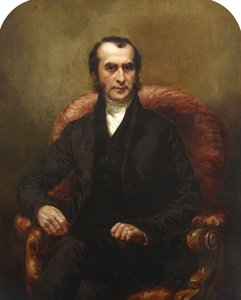
A Brushstroke of Victorian Life: The World of Phoebus Levin
Phoebus Levin, a name perhaps less heralded than some of his contemporaries, nevertheless occupies a fascinating and vital niche within the pantheon of 19th-century British artists. His canvases offer a compelling glimpse into the bustling heart of Victorian London, not through grand historical narratives or idealized landscapes, but through intimate portrayals of everyday life – the markets teeming with activity, the quiet dignity of portraiture, and the fleeting beauty of pastoral scenes. Levin wasn’t merely *recording* his time; he was capturing its essence, its energy, and its often-overlooked humanity. Born in 1840, though details surrounding his early life remain somewhat elusive, it is known that he received formal artistic training, likely at a London art school, before establishing himself as a professional painter. He quickly found favor with collectors drawn to his realistic style and ability to evoke atmosphere.
Early Career & The Rise of Realism
The mid-19th century was a period of significant change in the art world. Academic painting, with its emphasis on classical subjects and meticulous technique, still held sway, but a growing movement towards realism began to challenge these conventions. Artists like Gustave Courbet and Jean-François Millet were finding success by depicting ordinary people and scenes without romanticization or embellishment. Levin’s work aligns closely with this realist aesthetic. His early paintings, often smaller in scale, focused on London street life – flower sellers, costermongers, and the general hustle and bustle of the city's markets. These weren’t simply topographical studies; they were social commentaries, offering a window into the lives of working-class Londoners. He possessed an exceptional eye for detail, capturing the textures of fabrics, the play of light on cobblestones, and the individual character of his subjects. This dedication to authenticity resonated with a public increasingly interested in seeing themselves reflected in art.
His commitment to portraying life as it was, rather than how it *should* be, set him apart from many of his peers.
The Covent Garden Series & Pastoral Idylls
Levin’s artistic reputation solidified with his celebrated series of paintings depicting Covent Garden Market. These works are arguably his most recognizable and beloved, offering a vibrant tapestry of color, movement, and social interaction. He wasn't just painting the market itself; he was capturing its soul – the energy of the traders, the abundance of flowers and produce, and the sheer spectacle of it all. The paintings reveal a keen understanding of composition, with Levin skillfully arranging figures and objects to create dynamic and engaging scenes. Beyond Covent Garden, Levin also explored pastoral themes, particularly hop gardens in Kent and Surrey. These paintings represent a shift towards more idyllic subjects, yet they retain his characteristic realism. He depicted hop pickers at work, capturing the backbreaking labor involved while simultaneously celebrating the beauty of the countryside.
These works often carry a subtle undercurrent of social observation, hinting at the lives and struggles of those who toiled in the fields.
Influences & Artistic Development
While Levin’s style is distinctly his own, it's possible to identify several influences that shaped his artistic development. The French Realists, particularly Courbet, undoubtedly played a role in his embrace of everyday subjects and rejection of academic conventions. He also appears to have been influenced by the work of Dutch Golden Age painters like Jan Steen and Pieter de Hooch, known for their genre scenes and masterful use of light. Over time, Levin’s technique evolved from a more tightly rendered style towards a looser, more impressionistic approach. His brushwork became bolder and more expressive, and his palette expanded to include brighter, more vibrant colors. However, he never fully abandoned his commitment to realism, maintaining a strong focus on detail and accuracy even as his style became more fluid.
- French Realism: Courbet’s influence on subject matter.
- Dutch Masters: Steen & de Hooch for genre scenes.
- Victorian Social Commentary: Capturing the lives of working classes.
Legacy & Historical Significance
Phoebus Levin may not be a household name, but his work continues to captivate and inspire. His paintings offer a valuable glimpse into Victorian London, providing a social and cultural record that complements more traditional historical narratives. He was a master of capturing atmosphere and evoking emotion, imbuing even the most mundane scenes with a sense of life and energy.
His legacy lies in his ability to elevate the everyday, transforming ordinary people and places into subjects worthy of artistic attention. Today, Levin’s paintings are held in numerous public and private collections, and they continue to be exhibited and studied by art historians and enthusiasts alike. He stands as a testament to the power of realism – a painter who dedicated his life to capturing the beauty and complexity of the world around him, one brushstroke at a time. His work serves as a poignant reminder that history is not just made up of grand events and famous figures, but also of the countless ordinary lives that shape our collective past.