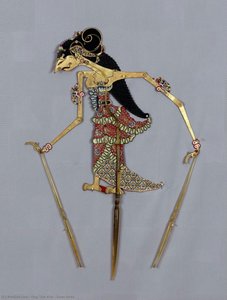
A Vision Forged in Tradition: The Life and Art of Ong Tjoe Kim
Ong Tjoe Kim, also known as Sukarma, is a figure whose life embodies a fascinating intersection of entrepreneurial spirit and artistic dedication. Born in Jakarta, Indonesia, in 1934, his story extends beyond the canvas to encompass the very fabric of Indonesian commerce. While widely recognized as the founder of the Metro department store chain – an institution now boasting twelve outlets across Indonesia and two in Singapore – Sukarma’s identity is equally that of a gifted artist deeply rooted in Javanese mythology and culture. This duality, between the pragmatic world of business and the ethereal realm of art, informs his unique perspective and artistic expression. He didn't simply build a commercial empire; he cultivated a space for beauty and storytelling within it, ultimately manifesting this vision through his own compelling artwork.
The Genesis of an Artistic Voice
Sukarma’s journey into the world of art wasn’t a conventional one. While establishing Metro in 1953, a period marked by Indonesia's burgeoning independence, he immersed himself in the nation’s rich artistic heritage. This was not merely a passive appreciation; it was a deliberate exploration that would eventually shape his creative output. He became captivated by the epic tales of the Ramayana and Mahabharata, stories deeply ingrained in Javanese society, passed down through generations via *wayang kulit* (shadow puppetry), dance, and literature. These narratives, brimming with complex characters, moral dilemmas, and vibrant symbolism, provided the foundation for his artistic exploration. Sukarma’s decision to work with leather as his primary medium was particularly significant. Leather, a material historically associated with Javanese craftsmanship – from traditional costumes to ceremonial objects – allowed him to connect directly with ancestral techniques and imbue his art with a sense of timelessness.
'Dewi Sinta' and the Depiction of Mythological Narratives
Sukarma is perhaps best known for his 1990 artwork, ‘Dewi Sinta’. This piece isn’t simply a representation of the iconic character from the Ramayana; it’s a powerful interpretation that delves into themes of virtue, resilience, and feminine strength. The use of leather lends a tactile quality to the work, emphasizing the physicality and emotional weight of Sinta's journey. His style is characterized by intricate detailing, rich textures, and a muted color palette that evokes a sense of antiquity and reverence. Beyond ‘Dewi Sinta’, Sukarma’s oeuvre includes other compelling depictions of Javanese mythology, such as 'Nakula', demonstrating his commitment to preserving and reinterpreting these cultural narratives for contemporary audiences. He doesn't merely illustrate the stories; he breathes new life into them, offering fresh perspectives on timeless themes.
Influences and Artistic Development
While Sukarma’s work is deeply rooted in Javanese tradition, it also reflects subtle influences from other artistic sources. His keen eye for design, honed through his involvement in retail, informs the composition and aesthetic balance of his pieces. The precision and attention to detail evident in his leatherwork can be seen as a reflection of his business acumen – a desire for quality and refinement. However, he consciously avoids overt Western influences, prioritizing authenticity and cultural relevance. His artistic development is marked by a consistent exploration of technique and material, always striving to enhance the expressive power of his chosen medium. He has successfully blended traditional craftsmanship with a contemporary sensibility, creating artwork that resonates with both local and international audiences.
Historical Significance and Legacy
Ong Tjoe Kim’s significance extends beyond his artistic achievements. As the founder of Metro, he played a pivotal role in shaping Indonesia's retail landscape, providing access to a wider range of goods and contributing to the nation’s economic growth. His simultaneous pursuit of art demonstrates a commitment to cultural preservation and creative expression. Sukarma’s artwork serves as a bridge between tradition and modernity, reminding us of the enduring power of storytelling and the importance of honoring our heritage. He is not simply an artist or a businessman; he is a cultural ambassador who has enriched Indonesia's artistic landscape and left an indelible mark on its commercial identity. His legacy lies in his ability to seamlessly integrate these seemingly disparate worlds, creating a unique and compelling vision that continues to inspire.