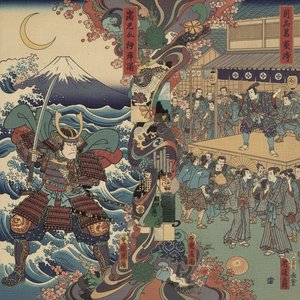
Koun Itagaki: A Pioneer of Japanese Landscape Painting
Koun Itagaki (伊藤 若冲, 1716–1800) stands as a monumental figure in Edo-period Japanese art, recognized primarily for his breathtaking landscapes—particularly those depicting birds and blossoms—that profoundly influenced subsequent generations of painters. Born into a family of Confucian scholars in Kyoto, Itagaki’s artistic journey began modestly but swiftly ascended to unparalleled renown thanks to his masterful command of *sumie* (墨絵), the monochrome ink wash technique that embodies the spirit of Zen Buddhism and Japanese aesthetics. His work transcends mere representation; it strives to capture not just what is seen but also what is felt—a profound connection with nature imbued with spiritual contemplation.
- Early Life & Training: Itagaki’s formative years were marked by rigorous Confucian education, fostering a disciplined mind and an appreciation for moral philosophy – values that would permeate his artistic vision. He initially apprenticed under Sessai Hokusa (瀬斎北洲), a celebrated landscape painter known for his iconic *Kakemono* (掛物) prints, absorbing invaluable lessons in composition, brushwork, and tonal gradation.
- The Influence of Zen Buddhism: Itagaki’s artistic sensibilities were deeply rooted in Zen Buddhist principles. This philosophical underpinning is evident in his paintings' serene atmosphere, asymmetrical arrangements, and deliberate use of negative space—elements designed to evoke contemplation and illuminate the essence of existence.
Technique & Style: Mastering Sumie Mastery
Itagaki’s distinctive style hinged on an exceptional understanding of *sumie*, a technique that prioritizes simplicity, spontaneity, and subtle tonal variations achieved through painstaking brushwork. He employed a revolutionary approach to capturing the fleeting beauty of blossoms and birds—a departure from conventional depictions that sought to reproduce exact likenesses. Instead, he utilized techniques like “dry brush” (乾筆) – applying minimal ink with a stiff brush – and “wet-on-wet” blending – layering washes of ink to create luminous gradations – to convey the ephemeral nature of these subjects. His meticulous observation of natural phenomena combined with an intuitive grasp of artistic expression resulted in landscapes that resonate with palpable emotion.
- Dry Brush Technique: Itagaki perfected the “dry brush” technique, applying barely perceptible ink strokes to create textured surfaces that mimicked the roughness of bark or stone—a masterful illusion of realism achieved through understated artistry.
- Wet-on-Wet Blending: He skillfully employed "wet-on-wet" blending, layering washes of ink and glazing techniques to produce ethereal tonal effects reminiscent of mist or dew—capturing the subtle nuances of light and atmosphere with breathtaking precision.
Notable Works & Legacy
Itagaki’s oeuvre comprises over 800 paintings, many of which are considered masterpieces of Edo landscape art. Among his most celebrated compositions include “Birds on Branch” (鳥枝), a seminal work that exemplifies the artist's innovative approach to portraying avian subjects—a painting lauded for its dynamic energy and evocative depiction of springtime blossoms. Similarly, "Pine Blossoms" (松風) showcases Itagaki’s ability to convey profound spiritual resonance through meticulously rendered pine branches adorned with delicate flowers—a testament to his artistic genius and enduring influence. His paintings reside in prestigious museums worldwide, including the Meiji Memorial Picture Gallery in Tokyo, Japan, cementing his place as one of Japan's greatest landscape painters.
Influence & Continuing Relevance
Itagaki’s groundbreaking style irrevocably transformed Edo-period landscape painting and profoundly impacted subsequent artistic movements. His emphasis on spontaneity, tonal subtlety, and spiritual contemplation established a paradigm for generations of artists who sought to emulate his vision—a legacy that continues to inspire painters today. The enduring beauty and contemplative power of Itagaki's landscapes serve as a poignant reminder of Japan’s rich artistic heritage and the timeless allure of capturing the sublime essence of nature through masterful brushwork. His work remains an exemplar of Zen aesthetics and continues to captivate audiences with its serene grandeur and profound emotional depth.