
1
John Burton
Håndmalt oljereproduksjon fra $199 28 × 36 cm
Samme størrelse som originalen $497 88 × 113 cm Bestill i original størrelse →

John Windasss mest kjente maleri er John Burton (1843), i York Art Gallery, York. Vår katalog inneholder 1 verk av John Windass; de 1 nedenfor er de som verden ser mest på, hver med årstall, museet som huser verket og hvorfor det er betydningsfullt.
Rangert etter vår popularitetsscore, som kombinerer søk, visninger og bestillinger for hvert verk. Oppdatert November 2026. Hvert mesterverk på denne siden kan bestilles som en håndmalt oljereproduksjon av museumskvalitet eller som et kunsttrykk, i den størrelsen du velger.

Museet som har flest av maleriene på denne siden.
| Museum | By | Verker av John Windass | Malerier fra denne listen |
|---|---|---|---|
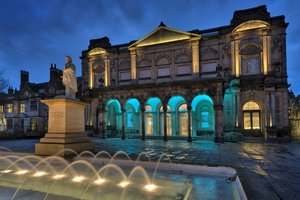 York Art Gallery |
York | 1 | John Burton |
John Burton (1843)
Vår katalog inneholder 1 verk av John Windass.
De fleste av dem befinner seg i York Art Gallery (York). Tabellen ovenfor lister opp museene ett etter ett.
Ja. Hvert maleri på denne siden kan bestilles som en håndmalt oljereproduksjon av museumskvalitet eller som et kunsttrykk i ønsket størrelse, direkte fra maleriets egen side.
John Windass remains a figure defined by the specificities of Victorian portraiture. Born in York, United Kingdom, in 1843, his life and output are anchored to the regional identity of Yorkshire. He was a painter who operated within a structured social hierarchy, capturing the likenesses of those who shaped the cultural landscape of his time. His work is not a collection of abstract ideas but a record of presence, rendered in oil on canvas.
His technical approach focused on the tangible. In his most notable surviving work, he captured the likeness of John Burton, a gallery benefactor. This portrait is a study of character through physical detail, depicting a man with a bald head and a substantial beard, caught in a moment of quiet contemplation while holding a painting and smoking a long clay pipe. It is a direct, unadorned representation of a specific individual.
Windass worked primarily with oil on canvas, a medium that allowed for the heavy, textured application necessary for Victorian portraiture. His ability to render the textures of skin, hair, and fabric provided a sense of weight to his subjects. The scale of his work, such as the 113 cm by 88 cm dimensions of his portrait of Burton, suggests a commitment to life-sized, intimate encounters between the viewer and the sitter.
The nature of his output can be categorized by the following elements:
The significance of Windass lies in his role as a visual documentarian of the Victorian era. He did not seek to reinvent the medium but to master the depiction of the people who funded and frequented the art institutions of his day. His work exists in the permanent collections of the York Museums Trust, specifically within the York Art Gallery, ensuring his contribution to the visual history of York remains intact. He died in 1938, leaving behind a body of work that serves as a factual, painted record of a bygone social order.