Early Life and Artistic Foundations
Ferdinand Andri’s story begins in the charming town of Waidhofen an der Ybbs, Austria, in 1871 – a place steeped in artistic tradition. His father was a gilder, a profession that subtly shaped young Ferdinand's understanding of materials, craftsmanship, and the delicate balance between form and function. From his earliest years, he displayed a remarkable aptitude for visual arts, an innate talent that quickly outstripped the typical expectations for a boy of his age. At just thirteen, he embarked on an apprenticeship with woodcarver and altar builder Johann Kepplinger in Ottensheim near Linz – a formative experience that instilled within him a deep appreciation for three-dimensional form and the intricate processes involved in creating tangible works of art. This early immersion in sculpture and woodworking laid the groundwork for his future explorations, providing him with a foundational understanding of materials and techniques that would inform his artistic vision throughout his career. He continued his artistic education at the Staatsgewerbeschule in Innsbruck, gaining broader exposure to various crafts and design principles. However, it was his move to Vienna’s prestigious Academy of Fine Arts in 1886 that truly cemented his path as an artist – a decision that exposed him to a vibrant intellectual and artistic environment, allowing him to study under luminaries like Julius Victor Berger, Eduard von Lichtenfels, and August Eisenmenger. These influential teachers imparted not only technical skills but also a critical understanding of art history and the evolving landscape of European aesthetics. Crucially, Andri’s education wasn't confined solely to the studio; he actively sought out experiences beyond the classroom walls, embarking on extensive travels throughout Italy, France, England, and North America – journeys that broadened his horizons immeasurably and exposed him to diverse artistic styles, cultural traditions, and innovative approaches to artmaking. These encounters profoundly influenced his own evolving aesthetic sensibilities, shaping his unique perspective and contributing to the richness of his artistic output.The Vienna Secession: Embracing Modernity
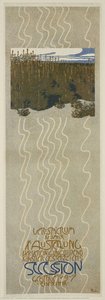
The late 19th and early 20th centuries in Austria were a period of intense artistic ferment, marked by a growing desire for change and a rejection of the conservative norms that had long dominated the art world. It was within this context that Ferdinand Andri found himself at the heart of a revolutionary movement – the Vienna Secession. Founded in 1897, the Secession represented a bold challenge to the established art academies, advocating for new forms of artistic expression that reflected the dynamism and complexities of modern life. Andri quickly became an active member, demonstrating his commitment to their ideals through both his artistic practice and his engagement with the group’s intellectual discourse. He wasn't merely a passive participant; he rose through the ranks, eventually serving as president of the Secession from 1905 to 1906 – a position that underscored his leadership qualities and his dedication to pushing the boundaries of artistic innovation. The Secession’s core philosophy centered on rejecting academic tradition in favor of a more direct, expressive approach to artmaking. They sought to create works that were both aesthetically pleasing and intellectually stimulating, reflecting the spirit of the age. Andri wholeheartedly embraced this ethos, experimenting with new techniques, exploring unconventional subjects, and challenging conventional notions of beauty. A particularly significant aspect of his involvement was his contribution to *Ver Sacrum*, the Secession’s influential Art Nouveau magazine – a platform that showcased the group's groundbreaking work and disseminated their artistic philosophy to a wider audience. *Ver Sacrum* served as a vital vehicle for promoting the Secession’s ideas, fostering dialogue among artists and intellectuals, and shaping public perception of modern art.Style and Influences
Andri’s artistic style evolved significantly throughout his career, reflecting both his personal influences and the broader trends within the Viennese art scene. Initially, his work bore a clear imprint of Art Nouveau principles – evident in its decorative flourishes, emphasis on organic forms, and a sense of flowing elegance. This stylistic influence was undoubtedly shaped by his early exposure to the craftsmanship of woodcarving and altar building, as well as his travels through Europe where he encountered the diverse artistic expressions of the continent. However, as he matured as an artist, Andri began to move beyond the purely decorative aspects of Art Nouveau, incorporating elements of realism and a greater emphasis on capturing the essence of everyday life. His landscapes and genre paintings – particularly those depicting rural scenes in Lower Austria – became increasingly prominent, offering poignant glimpses into the lives of farmers and villagers. These works were characterized by their meticulous detail, evocative atmosphere, and a deep sense of empathy for his subjects. Andri’s war paintings stand apart as a unique artistic response to conflict. Created during World War I, these powerful images captured the brutal realities of battle with unflinching honesty – blending technical skill with profound emotional depth. He didn't shy away from depicting the suffering and devastation caused by the war, but he also sought to find moments of beauty and resilience amidst the chaos. His ability to convey both the horrors and the humanity of conflict solidified his reputation as a significant voice in Austrian art during this tumultuous period.Legacy and Historical Significance
Ferdinand Andri’s artistic legacy extends far beyond his individual works; he played a pivotal role in shaping the course of modern Austrian art. His membership in the Vienna Secession, his leadership within the group, and his unwavering commitment to innovation left an indelible mark on the Viennese art scene. Following World War I, Andri continued to contribute to the artistic landscape, securing a teaching position at the Vienna Academy and establishing himself as a respected mentor to aspiring artists. Despite facing challenges during the rise of Nazism – including being included on Goebbels’ list of “worthy” artists – he remained dedicated to his craft, producing works that reflected both his personal convictions and the complexities of the era. In 1950, in a generous act of civic pride, Andri donated all remaining artworks from his possession to the city of St. Pölten, resulting in the establishment of the Ferdinand Andri Museum – a lasting tribute to his artistic legacy and a testament to his commitment to preserving Austrian cultural heritage. Today, his paintings are housed in prestigious collections throughout Austria, ensuring that his vision continues to inspire and resonate with audiences for generations to come. Ferdinand Andri’s art serves as a compelling reminder of the power of creativity to reflect, challenge, and ultimately transcend the complexities of its time – a testament to his enduring artistic significance.Style and Influences
- Art Nouveau’s Embrace: Andri's early work clearly bears the imprint of Art Nouveau principles, evident in its decorative flourishes and emphasis on organic forms—a style that resonated with the Secession’s rejection of academic rigidity.
- Vienna Secession Ideals: As a committed member of the Vienna Secession, Andri wholeheartedly embraced their pursuit of artistic innovation and their challenge to conventional aesthetic norms. This influence is visible in his willingness to experiment with new techniques and subject matter.
- Landscapes and Genre Painting: He became particularly renowned for his landscape and genre paintings that beautifully captured the essence of life and traditions among Lower Austrian farmers, offering a poignant glimpse into rural existence.
- Documenting War’s Reality: His war paintings stand apart as a unique artistic response to conflict, skillfully blending artistic talent with meticulous documentary observation—a testament to his ability to find beauty and meaning even in the midst of devastation.
- An Evolving Style: Throughout his career, Andri’s style underwent subtle but significant transformations. However, he consistently demonstrated a deep commitment to craftsmanship, elegance, and a profound connection to Austrian culture—qualities that define his enduring artistic legacy.