Selg din kunst
x
ForhåndsvisningForhåndsvisning Se i ARSe i AR Bytt til trykk Bytt til trykkBytt til bilde Bytt til bilde SendSend
Vis detaljerVis detaljer Legg til i favoritter Legg til i favoritter Last ned bildetLast ned bildet Liknende objekterLiknende objekter RøntgenundersøkelseRøntgenundersøkelse LysbildefremvisningLysbildefremvisning

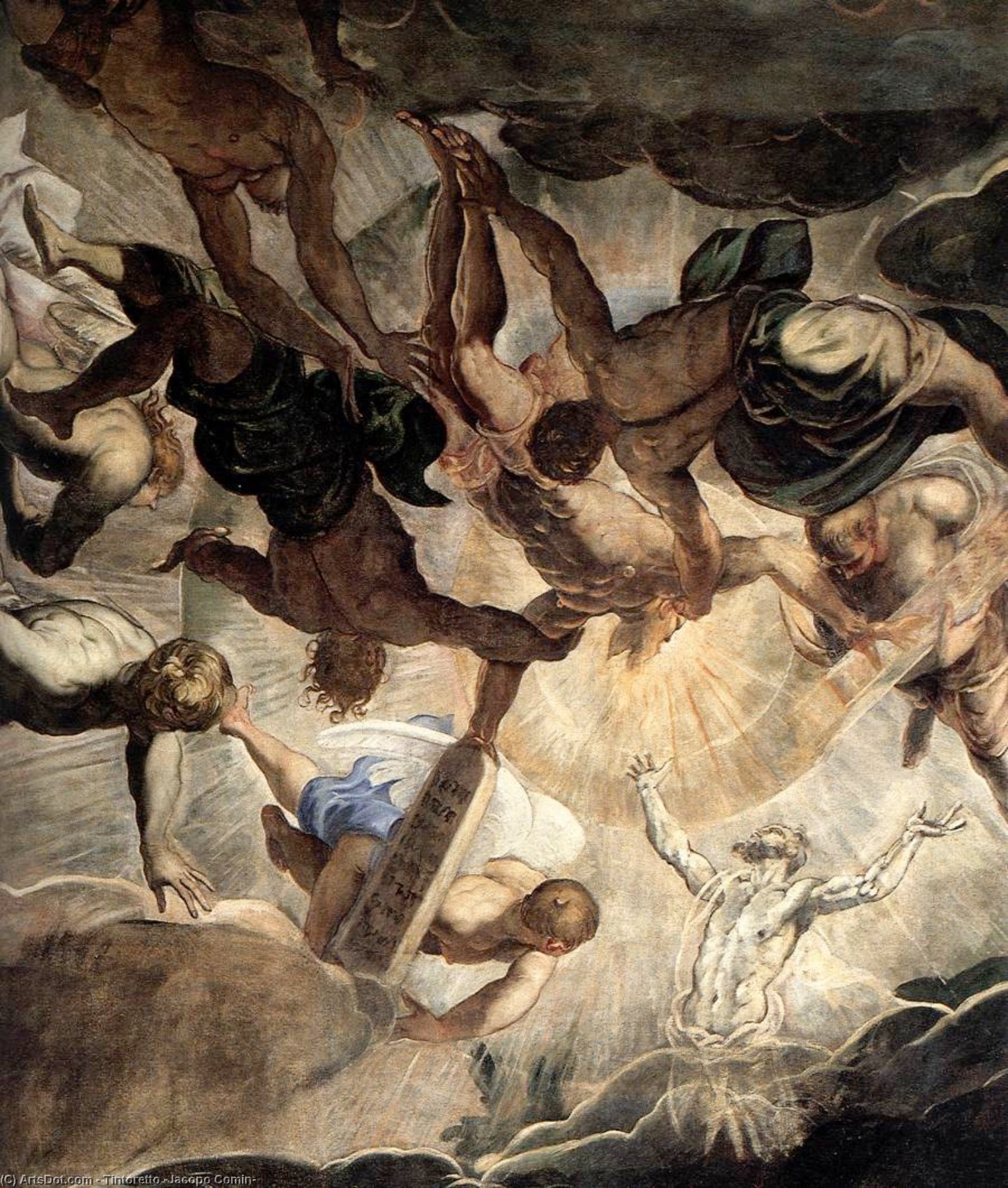
Moses Receiving the Tables of the Law

Opplev Tintoretto’s dramatiske «Moses Receiving the Tables of the Law»! Et mesterverk som fanger bibelsk historie med kraftig lys og emosjonell dybde. Se detaljerte bilder av dette ikoniske maleriet.

Jacopo Tintoretto: En dramatisk venetiansk mester kjent for sin kraftfulle stil, dynamiske komposisjoner og innovative bruk av lys & perspektiv. Oppdag hans varme kunstneriske arv!

Håndlaget oljereproduksjon

Håndmalt olje på lerret i din valgte størrelse og ramme, laget på bestilling av våre kunstnere. (Bytt til trykk Bytt til trykkBytt til bilde Bytt til bilde)

P118B $10
P118H $10
P118W $10
P438Z $10
P508JH $12
P508YH $12
P805H $10
P805Z $10
P919BZ $10
P919G $10
P919XJ $10
P959ZH $10
P968JZ $12
W106C $8
W218G $10
W218JH $8
W218Y $10
W307PJ $10
W316G $10
W316PJ $8
W316Y $10
W398PJ $8
W4111J $10
W500HY $15
W500JH $15
W692G $12
W849H $8
W940BG $15
W953PJ $8

Standard
custom
CM
INCH

Velg mellom våre forhåndsdefinerte størrelser som bevarer kunstverkets opprinnelige proporsjoner.

bredde
høyde

Du kan angi egne mål for å tilpasse en spesifikk ramme eller plass. Dersom den valgte størrelsen ikke samsvarer med originalbildets proporsjoner, vil vi enten beskjære kunstverket eller utvide maleriet med ytterligere håndmalte elementer. En digital mockup vil bli sendt til din godkjenning før produksjonen starter.
Vennligst merk at forhåndsvisningen på skjermen ikke gjenspeiler den faktiske beskjæringen eller utvidelsen. Kun mockuppen vil vise den endelige komposisjonen nøyaktig.
Selv om tilpassede størrelser er tilgjengelige, anbefaler vi å velge et mål fra den forhåndsdefinerte listen for å bevare de originale proporsjonene.

Eksempler på hva som kan endres: Erstatt ansikt med bilde av kunden; Legg til kjæledyr (f.eks. bytt ut katt med hund); Inkluder en skjult melding i bakgrunnen; Endre bakgrunnslandskap eller elementer.
Etter bestilling vil WahooArt.com-teamet sende e-post til kunden for instruksjoner og sende et utkast (mockup) som forhåndsvisning.

Verdensomspennende levering () på 3–4 uker i stedet for standard 5 uker. (5 August). Ingen kompromisser med kvaliteten.

why_choose_icon
Gratis ekspressfrakt over hele verden
why_choose_icon
Lerretsduk av høykvalitets lin
why_choose_icon
Full forsikring under transport
why_choose_icon
Garanti for refusjon av toll og importavgifter
why_choose_icon
Garantert korrekt fargegjengivelse
why_choose_icon
60 dagers returrett (kun ved feil)
why_choose_icon
100% pengene tilbake-garanti
why_choose_icon
Rabatt ved flere kjøp

Totalpris for bestilling

$ 272

reproduction

Moses Receiving the Tables of the Law

Teknikk for reproduksjon

Størrelse på reproduksjon

-

Endelig pris

$ 272

Kort om verket

  • Influences: Michelangelo
  • Movement: Venetian School, Mannerism
  • Year: 1560-1562
  • Artistic style: Chiaroscuro, Baroque
  • Location: Madonna dell'Orto, Venice
  • Title: Moses Receiving the Tables of the Law
  • Notable elements: Dramatic lighting, dynamic composition

Beskrivelse av kunstverket

Tintoretto’s Divine Encounter: A Journey Through “Moses Receiving the Tables of the Law”

In the heart of Venice’s Madonna dell’Orto museum resides a painting that transcends mere depiction—it is an experience. Tintoretto’s “Moses Receiving the Tables of the Law,” completed in 1560, isn't simply a recounting of a biblical event; it’s a visceral plunge into the drama of divine authority, human fallibility, and the weighty responsibility of sacred law. This monumental canvas, bathed in an almost unbearable light, immediately commands attention, drawing the viewer into a scene brimming with movement, intense emotion, and a profound sense of spiritual significance. It's a testament to Tintoretto’s unparalleled ability to translate complex theological ideas into a visually arresting and emotionally resonant work.

The painting centers on Moses, not as the stoic figure of ancient texts, but as a man consumed by revelation. His posture is one of intense concentration, his outstretched arms mirroring the gesture of receiving—a gesture that simultaneously conveys both triumph and an overwhelming sense of responsibility. The tablets themselves, radiating with an ethereal glow, are held aloft – symbols of the Ten Commandments, the very foundation upon which God’s covenant with humanity rests. But it's not just a straightforward narrative; Tintoretto masterfully layers symbolism throughout the composition. Observe the stark contrast between the upper portion of the painting—dominated by Moses and the radiant figures of angels—and the lower section, where the Israelites are depicted in a state of captivated distraction, preparing to construct a golden calf. This deliberate juxtaposition immediately establishes a powerful thematic tension: the allure of earthly desires versus the unwavering pursuit of divine righteousness – a central concern that resonated deeply within the Renaissance.

A Masterclass in Venetian Technique

Tintoretto’s genius lies not only in his dramatic storytelling but also in his breathtaking technical mastery. Painted in oil on canvas, “Moses Receiving the Tables” showcases his signature style—a vibrant palette of rich reds, blues, and golds, bold brushstrokes that seem to vibrate with energy, and a masterful manipulation of light and shadow. He employs *chiaroscuro* with astonishing effect, bathing Moses in an almost blinding radiance while simultaneously plunging the scene below into relative darkness. This dramatic contrast heightens the sense of drama and emphasizes the divine nature of the event. The artist’s rapid technique—earning him the nickname “Il Furioso” (The Furious)—is evident in the swirling draperies, the dynamic movement of the figures, and the sheer energy contained within the canvas. The use of layered brushstrokes creates a remarkable sense of depth and texture, inviting the viewer to lose themselves in the details of this complex composition.

Furthermore, Tintoretto’s understanding of perspective is exceptional. He utilizes atmospheric perspective—the gradual fading of colors and detail with distance—to create a convincing illusion of space. The distant figures appear fainter and less defined, while Moses and the immediate surroundings are rendered in sharp detail. This masterful use of perspective contributes to the overall sense of drama and immerses the viewer within the scene. The sheer scale of the painting – nearly 12 feet high and over 16 feet wide – further amplifies this immersive effect, drawing the viewer into a world of intense emotion and spiritual contemplation.

Symbolism and Spiritual Depth

Beyond its technical brilliance, “Moses Receiving the Tables of the Law” is rich in symbolism. The tablets themselves represent divine law—a set of rules designed to guide humanity towards righteousness. Moses’s role as intermediary between God and humankind underscores the importance of faith and obedience. The golden calf, a symbol of idolatry and rebellion against God, serves as a potent reminder of the consequences of straying from the path of righteousness. The angels surrounding Moses represent divine guidance and support, while the Israelites' preoccupation with earthly desires highlights the dangers of materialism and self-worship. But perhaps the most compelling element is the inclusion of the clay model of the calf – a visual representation of humanity’s inherent tendency towards idolatry—a desire to create substitutes for the true God. The scene, therefore, becomes not just a recounting of a historical event but an allegory about the human condition and the eternal struggle between faith and temptation.

Preservation and Reproduction: Bringing Tintoretto to Life

The Madonna dell’Orto museum provides a vital space for preserving this masterpiece for future generations. The museum's dedication to maintaining the rich cultural heritage of Venice ensures that “Moses Receiving the Tables of the Law” remains accessible to art enthusiasts and scholars alike. For those seeking to experience the power and beauty of Tintoretto’s vision, WahooArt offers meticulously crafted oil painting reproductions of this iconic work. These reproductions are created using traditional techniques and materials, ensuring that the essence of the original is faithfully preserved. Each reproduction captures the drama, light, and symbolism of the masterpiece, allowing art lovers to bring a piece of Venetian history into their homes. Consider a Tintoretto reproduction for your grand hall – its scale and intensity will undoubtedly become a focal point, sparking conversation and inspiring awe.

Explore more works by Tintoretto on WahooArt: Tintoretto (Jacopo Comin). And delve deeper into the Madonna dell’Orto museum at The Museum Madonna dell'Orto (Venice, Italy).


Om kunstneren

A Venetian Master of Drama and Light

Jacopo Tintoretto, født Jacopo Robusti i Venezia rundt 1518, forblir en av de mest fascinerende og gåtefulle figurene i den høye renessansen og den tidlige barokken. Hans egen kallenavn, “Tintoretto” – «den lille maleren» – avslører familiens yrke, men skjuler samtidig den enorme kunstneriske dyktigheten som ville skille ham fra alle andre. I motsetning til mange kunstnere som benyttet seg av strukturert læretid under en mester, var Tintorettos vei i stor grad selvbestemt, drevet av en grenseløs nysgjerrighet og en utrettelig søken etter innovasjon. Selv om det finnes rapporter om et kort og mislykket opphold under Titian, den anerkjente maleren av venetiansk fargebruk, virker det som denne erfaringen viste seg å være mer strid enn formende. Titans anklagede avvisning av den unge Jacopo – enten på grunn av jalousi eller kunstnerisk uenighet – stimulerte Tintoretto til en egen vei, preget av dristig eksperimentering og en unikt dynamisk stil. Han fordypet seg i anatomi-studier, antagelig gjennom dissekasjoner, og finpusset sine ferdigheter ved å nøye kopiere klassiske skulpturer og verkene til andre mestere. Denne dedikasjonen la grunnlaget for en karriere som ville omdefinere venetiansk maleri.

Forging a Distinctive Style: *Il Furioso*

Tintorettos kunstneriske utvikling ble preget av en nesten feberaktig energi, noe som tjente ham en annen, evocative kallenavn: *Il Furioso* – «Den Vredesfulle». Dette kallenavnet var ikke bare beskrivende for hans arbeidsrytme, men fanget også intensiteten og den emosjonelle ladningen som gjennomsyrte hans lerret. Hans tidlige verk antydet allerede en avvik fra tradisjonelle venetianske konvensjoner. Selv om han anerkjnt Titian’s innflytelse i fargebruk, vendte Tintoretto seg mot Michelangelos kraftfulle figurer og dramatiske komposisjoner. Han syntetisere disse influensene til noe helt nytt: en stil preget av forlange former, virvlende draperier og et innovativt bruk av perspektiv som ofte skapte en følelse av blendende dybde og bevegelse. Han forlot den omhyggelige ferdigstillelsen som mange samtidige foretrakk, og valgte i stedet en rask, nesten skisseaktig penselstrøk som formidlet umiddelbarhet og rå emosjon. Denne teknikken, kombinert med hans mesterskap i å manipulere lys og skygge – *chiaroscuro* – tillot ham å skape scener av uovertruffen drama og psykologisk intensitet. Han malte ikke bare hendelser; han formidlet deres emosjonelle kjerne.

Monumental Achievements: San Rocco and Beyond

Tintoretto’s enorme produksjon spennte over flere tiår, inkludert religiøse narrativer, historiske allegorier og portretter. Likevel er hans mest betydningsfulle prestasjon arbeidet han skapte for Scuola Grande di San Rocco, en venetiansk confraternite dedikert til helgen St. Roch. Over en periode på mer enn femti år, dekorerte Tintoretto Scuolaens haller med over seksti lerret, og transformerte det til et fantastisk visuelt vitnesbyrd om tro og menneskelig erfaring. Verk som «Den siste måltid» (fullført sent i livet hans), demonstrerer hans fortsatte eksperimentering med perspektiv og komposisjon. Avvikende fra tradisjonelle fremstillinger, plasserte Tintoretto scenen i et dramatisk opplyst, arkitektonisk ustabilt rom, og understrekte de emosjonelle spenningene knyttet til Kristus’ siste måltid med sine disipler. Andre bemerkelsesverdige verk inkluderer «Miraklet av St. Markus som frigjør en slave», et kraftfullt uttrykk for dynamisk komposisjon og forkortelse, og en rekke malerier for venetianske kirker og palasser som viser hans mesterskap i skala og narrativ fortelling. Disse monumentale prosjektene sikret Tintoretto’s rykte som en av Venedices viktigste kunstnere.

Influences and Artistic Roots

Tintoretto's artistic journey was deeply rooted in the traditions of Venetian painting, yet he boldly pushed beyond them. He drew inspiration from the classical sculptures that adorned Venice’s public spaces, as well as the works of Michelangelo, whose powerful figures and dramatic compositions served as a key influence. His early training under Titian, though ultimately contentious, provided him with a foundation in color theory and technique. However, Tintoretto's independent spirit allowed him to develop his own unique style, characterized by its dynamism, emotional intensity, and innovative use of perspective. He was also influenced by the Mannerist painters of the late 15th century, particularly Parmigianino, whose elongated figures and complex compositions foreshadowed some of Tintoretto’s later innovations. Furthermore, he studied the works of other masters, including Leonardo da Vinci and Raphael, absorbing their techniques and ideas.

Legacy and Historical Significance

Jacopo Tintoretto døde i Venezia i 1594, og etterlot seg et enormt og innflytelsesrikt kunstverk. Han brot gapet mellom den høye renessansen og barokken, og forutså mange av de stilistiske innovasjonene som skulle definere den sistnevnte. Hans dramatiske komposisjoner, uttrykksfulle penselstrøk og innovative bruk av lys og skygge påvirket kunstnere som Caravaggio, Rembrandt og Delacroix dypt. Han var ikke bare en maler; han var en visuell forteller som forsto hvordan man kunne bruke kunsten til å vekke følelser og inspirere undring. Som en av de tre store venetianske malerne på 1500-tallet – sammen med Titian og Paolo Veronese – spilte Tintoretto en avgjørende rolle i å forme kunstens landskap i Venezia under dets gullalder. Hans verk gjenspeiler ikke bare den religiøse fervor og politiske spenninger i sin tid, men også hans unikt personlige visjon som fortsatt resonerer med publikum i dag, og sikrer ham en plass blant historiens mest fascinerende kunstnere. *Hans arv er et vitnesbyrd om kunstnerisk innovasjonens vedvarende kraft og den transformerende potensialet til menneskelig kreativitet.*
Tintoretto

Tintoretto

1518 - 1594 , Italia

Kort om kunstneren

  • Artistic Movement Or Style: Renæssanse, Manierisme
  • Artists Or Movements Influenced By This Artist:
    • Caravaggio
    • Barokke
  • Artists Who Influenced This Artist:
    • Tiziano
    • Michelangelo
  • Date Of Birth: 1518, Venezia
  • Date Of Death: 1594, Venezia
  • Full Name: Jacopo Robusti
  • Nationality: Italiensk
  • Notable Artworks:
    • Mirakel St. Markus
    • Seneste Søndag
    • Helligånd
  • Place Of Birth: Venezia, Italia
Utforsk kunstverk organisert etter temaer, stiler og kjennetegn.