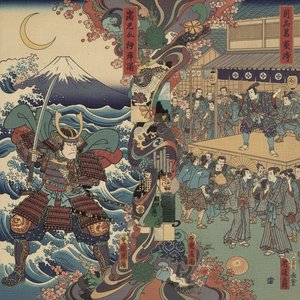
Yasuo Kuniyoshi: Bridging East and West Through Visionary Art
Yasuo Kuniyoshi’s artistic journey is a remarkable tale of cultural fusion, marked by an unwavering dedication to innovation amidst the challenges posed by immigration history. Born in Okayama, Japan, on September 1, 1889, his life unfolded as a testament to the transformative power of embracing diverse influences—a synthesis that would ultimately define his distinctive artistic style and solidify his place within the pantheon of American Modernism.Early Life and Artistic Awakening
Kuniyoshi’s formative years were steeped in Japanese tradition, yet he harbored an innate curiosity about the wider world. Rejecting military service at seventeen, he embarked on a bold path—one that led him to emigrate alone to the United States with aspirations of mastering English and pursuing a career as a translator. This initial ambition proved fleeting; captivated by the burgeoning art scene of early 20th-century America, Kuniyoshi swiftly abandoned linguistic pursuits in favor of artistic expression. His formative studies at Los Angeles School of Art and Design laid the groundwork for his future endeavors, fostering an appreciation for visual storytelling and shaping his aesthetic sensibilities. It was here that he encountered Kenneth Hayes Miller, who would become a pivotal mentor—introducing him to the principles of Impressionism and influencing his artistic trajectory.Cubist Influences and Parisian Exploration
Kuniyoshi’s artistic evolution gained momentum during his extended stays in Paris between 1927 and 1930. Immersed in the epicenter of European Modernism, he absorbed the stylistic innovations championed by artists like Renoir, Cézanne, and Jules Pascin—artists who profoundly impacted his visual vocabulary. The influence of Cubism is palpable in early works such as “Little Joe with Cow,” where fragmented forms and tilted planes disrupt conventional perspective, reflecting Kuniyoshi’s embrace of experimental techniques. This Parisian experience catalyzed a significant shift in his artistic approach—moving away from memory-based painting toward direct observation and prioritizing expressive color palettes.The American Landscape and Artistic Engagement
Returning to New York City in 1910, Kuniyoshi established himself as a respected artist within the city’s vibrant cultural landscape. He honed his skills at the National Academy and subsequently studied under Homer Boss at the Independent School of Art—further refining his artistic technique and deepening his understanding of visual representation. His involvement with the WPA during World War II underscored his commitment to civic engagement, channeling his creative talents into producing propaganda art that championed American values amidst wartime anxieties. Notably, he taught at the Art Students League alongside luminaries like Stuart Davis and Edward Hopper—inspiring a new generation of artists while simultaneously navigating the complexities of identity as an immigrant artist.Legacy: A Synthesis of Tradition and Innovation
Yasuo Kuniyoshi’s artistic legacy transcends mere stylistic imitation; it embodies a profound synthesis of Eastern and Western artistic traditions. His oeuvre—characterized by evocative still lifes, poignant portraits, and bold explorations of color—stands as a testament to his unwavering belief in the transformative potential of cultural exchange. He mentored numerous artists, including Nan Lurie and Irene Krugman, nurturing the next generation of creative talent. Kuniyoshi’s final artistic phase—marked by a return to Japanese ink painting—served as a poignant reflection on his life's journey—a testament to the enduring power of heritage and artistic expression. His unwavering patriotism during WWII solidified his place in American history, demonstrating that true artistry can inspire courage and compassion amidst adversity. Ultimately, Yasuo Kuniyoshi’s story remains an inspiring illustration of how embracing diverse influences can yield extraordinary creative outcomes—leaving an indelible mark on the annals of 20th-century art.Vraag en antwoord
Hoe kan ik alle kunstwerken van Yasuo Kuniyoshi bekijken?
Alle werken van Yasuo Kuniyoshi op deze website zijn te bekijken op de Alle kunstwerken pagina van de kunstenaar.
Welke stemmingen drukken de kunstwerken van Yasuo Kuniyoshi uit?
De werken van Yasuo Kuniyoshi kunnen per stemming worden bekeken op de Sfeercollectie pagina van de kunstenaar, waar de kunstwerken zijn gerangschikt op basis van hun vastgelegde stemmingen.
Waar en wanneer is Yasuo Kuniyoshi geboren?
Yasuo Kuniyoshi werd geboren in Okayama in 1893.