Paul Klee, 1879 – 1940

Paul Klee Paintings: The 100 Most Famous Works, Ranked

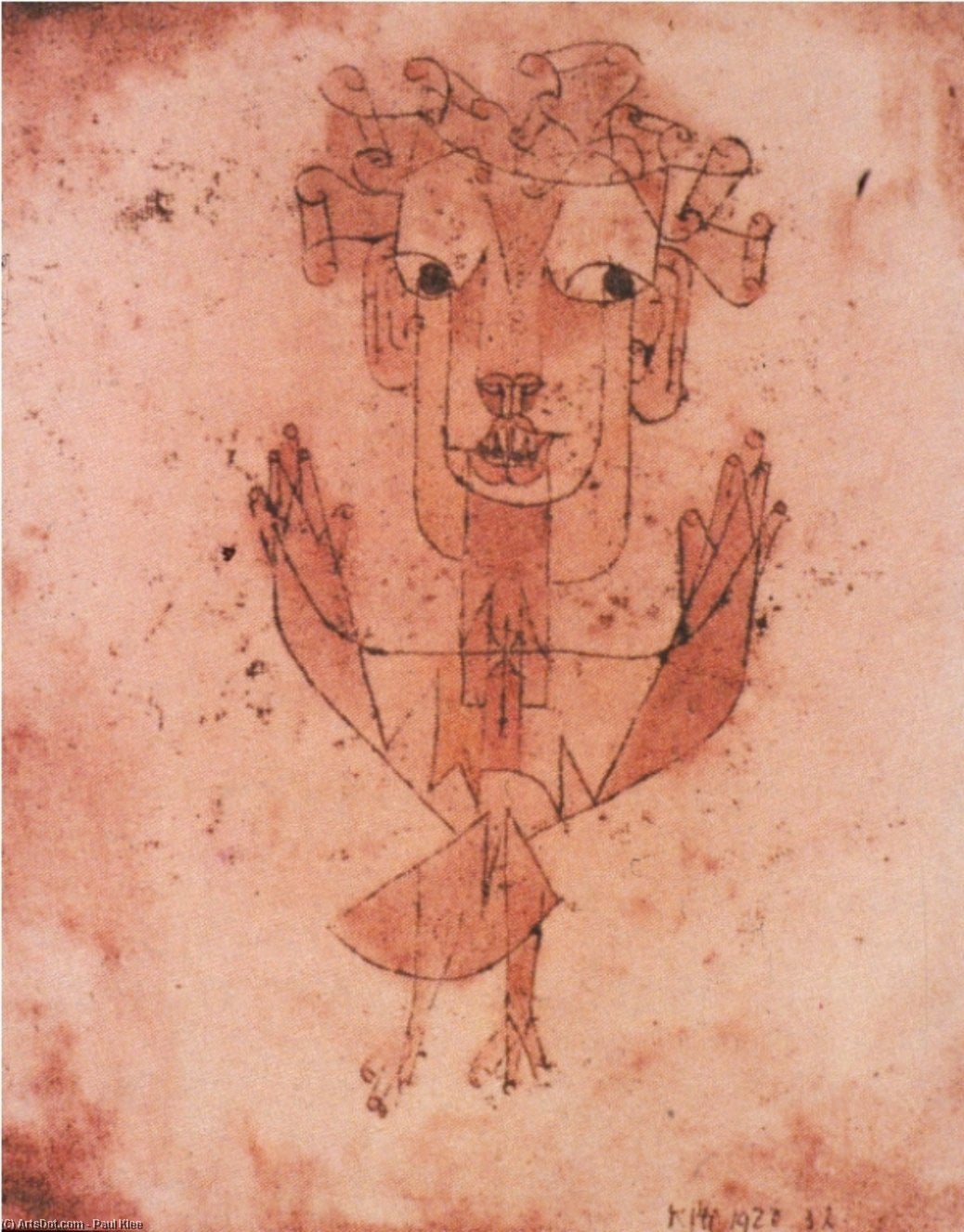
Paul Klee's most famous painting is Nieuwe Engel (1920), in the Israël Museum, Jeruzalem. With De Zwitscher-Maschine and To Parnassus - Een prachtige mosaïek schilderkunst die abstractie en symboliek combineert. Ontdek de innovatieve techniek en rijke geschiedenis – perfect voor kunstcollectoren. (1932), it completes the three works everyone recognises. Our catalogue lists 669 works by Paul Klee; the 100 below are the ones the world looks at most, each with its year, the museum that holds it and why it matters.

Ranked by our popularity score, which combines the searches, visits and orders for each work. Updated oktober 2026. Every masterpiece on this page can be ordered as a museum-quality, hand-painted oil reproduction or a fine art print, at the size you choose.

Portrait of Paul Klee
Paul Klee · 1879 – 1940
Born · died
1879 – 1940, Münchenbuchsee
Movement
Expressionisme
Works in our catalogue
669
Most famous
Nieuwe Engel (1920)
Most works at
Metropolitan Museum of Art

The 10 most famous Paul Klee paintings

Nieuwe Engel (1920) by Paul Klee
1

Nieuwe Engel

1920 · Monotypie · Israël Museum, Jeruzalem

Geschaffen in 1920, biedt Nieuwe Engel van Paul Klee een fascinerende blik in de unieke visie van de kunstenaar. Dit werk is een monotype, een keuze die de interesse van Klee in de unieke, onherhaalbare kwaliteiten van een enkele afdruk weerspiegelt. Het is een verstild werk, dat steunt op een scherp zwart-wit palet om zijn aanwezigheid te vestigen. De compositie concentreert zich op een vogelkop, een motief waar Klee regelmatig…

De Zwitscher-Maschine by Paul Klee
2

De Zwitscher-Maschine

Inkt op papier · MoMA - Museum of Modern Art, New York City

Created around 1922, this captivating artwork by Paul Klee embodies the spirit of early modernism, blending playful imagery with profound symbolic depth. Often referred to as “Twittering Machine,” it’s a seminal example of Klee's unique artistic language – one that bridges abstraction, expressionism, and a childlike sense of wonder.

To Parnassus - Een prachtige mosaïek schilderkunst die abstractie en symboliek combineert. Ontdek de innovatieve techniek en rijke geschiedenis – perfect voor kunstcollectoren. (1932) by Paul Klee
3

To Parnassus - Een prachtige mosaïek schilderkunst die abstractie en symboliek combineert. Ontdek de innovatieve techniek en rijke geschiedenis – perfect voor kunstcollectoren.

1932 · Acryl op canvas · Kunstmuseum Bern, Bern

Betoverend Onderwerp en Symboliek Dit opmerkelijke kunstwerk presenteert een levendig en gelaagd landschap dat de kijker uitnodigt tot een wereld van verbeelding en contemplatie. Centraal in de compositie staat een lichtgevende oranje cirkel, die doet denken aan een zon of maan, en die energie, verlichting en het verstrijken van de tijd symboliseert. Onder dit hemellichaam suggereert een prominente driehoekige vorm een berg of piramide, wat stabiliteit, aspiratie en spirituele opgang…

Legende van de Nijl (1937) by Paul Klee
4

Legende van de Nijl

1937 · Olieverf op canvas · Kunstmuseum Bern, Bern

Een verkenning van de rijke thematiek en culturele symboliek Dompel u onder in een levendig weefsel van cultureel verhaal en mythische symboliek met dit meeslepende kunstwerk. Geïnspireerd door de legendarische Nijl, weeft het werk een narratief van water, leven en spiritualiteit door middel van abstracte motieven en symbolische vormen. De compositie hint naar oude Egyptische thema's, met hiëroglief-achtige symbolen, gestileerde planten en waterwezens die de tijdloze verbinding tussen de Nijl…

Flora on sand (1927) by Paul Klee
5

Flora on sand

1927 · Olieverf op canvas

Flora on Sand: A Symphony of Color and Geometric Form Paul Klee, a Swiss-born German painter, was renowned for his unique blend of expressionism, cubism, and surrealism. His impact on modern art is evident in his theoretical writings, notably his 'Paul Klee Notebooks.' One of his notable works, Flora on Sand, created in 1927, exemplifies his abstract style and showcases his fascination with children's art. This painting isn’t merely a…

Landschap met gele vogels (1923) by Paul Klee
6

Landschap met gele vogels

1923 · Acryl op canvas

Landschap met gele vogels Paul Klee’s Landschap met gele vogels is een essentieel voorbeeld van de unieke versmelting van expressionisme en surrealisme door deze meester. Dit kunstwerk, geschilderd in 1923, toont de innovatieve benadering van Klee wat betreft kleur, vorm en compositie. De Artistieke Context Paul Klee, een in Zwitserland geboren Duitse kunstenaar, speelde een cruciale rol in de ontwikkeling van de moderne kunst. Zijn werk werd beïloed door diverse…

Fish Image (1925) by Paul Klee
7

Fish Image

1925 · Acryl op canvas

A World Suspended: Decoding Paul Klee’s *Fish Image* (1925) Paul Klee's *Fish Image*, created in 1925, is more than just a depiction of aquatic life; it’s a captivating exploration of movement, symbolism, and the liminal space between reality and dream. Measuring 40 x 61 cm, this delicate painting exemplifies Klee’s unique artistic voice – one deeply rooted in Expressionism yet subtly influenced by Cubism and Surrealism. It invites viewers into…

With the eagle by Paul Klee
8

With the eagle

Painting · Zentrum Paul Klee, Bern

In the vast, kaleidoscopic landscape of twentieth-century modernism, few artists possess the ability to translate the invisible rhythms of the soul onto canvas as masterfully as Paul Klee. His work, With the Eagle, serves as a profound testament to this unique gift, acting not merely as a painting, but as a window into a psychological realm where color and form dance in a delicate, often mysterious, equilibrium. Created during the…

In the Style of Kairouan (1914) by Paul Klee
9

In the Style of Kairouan

1914

In the annals of modern art, few moments are as transformative as Paul Klee’s 1914 masterpiece, "In the Style of Kairouan." This work serves as a profound declaration of independence from the constraints of representational art, marking Klee's pivotal transition toward an abstract expressionism that would redefine the twentieth century. The painting is not merely a composition of shapes; it is a visual manifestation of a spiritual and artistic epiphany.…

Rozentuin (1920) by Paul Klee
10

Rozentuin

1920 · Mixed media · Lenbachhaus, München

In de verstilde hoeken van het Lenbachhaus in München wacht Paul Klee’s “Rose Garden” (1920) op de toeschouwer, met een visuele ervaring die de grenzen van louter schilderkunst overstijgt. Het aanschouwen van dit meesterwerk is als het stappen in een wereld waar het organische en het architecturale dansen in een perfect, ritmisch unisono. Geschonken aan een cruciaal moment in Klee's leven—vlak na zijn diensttijd in de Eerste Wereldoorlog en rond…

Paul Klee, paintings 11 to 100

Schoolhuis (1920) by Paul Klee
#11

Schoolhuis

1920 · Art Institute of Chicago

Kom dichterbij en observeer hoe de ruimte in zichzelf lijkt te vouwen. In Schoolhuis stuiten we op een wereld die niet de regels van het perspectief volgt waar…

Order a reproduction →
Handbil van de komieken (1938) by Paul Klee
#12

Handbil van de komieken

1938 · Metropolitan Museum of Art

Introductie tot Paul Klee en Comedians' Handbill Paul Klee, een in Zwitserland geboren Duitse schilder (1879-1940), werd wereldberoemd om zijn unieke versmelting van expressionisme, kubisme en surrealisme. Als…

Order a reproduction →
May Picture (1925) by Paul Klee
#13

May Picture

1925 · Metropolitan Museum of Art

May Picture: A Fragmented Landscape of Color and Rhythm Paul Klee’s “May Picture,” painted in 1925, stands as a testament to the artist's unwavering commitment to abstraction while…

Commission a hand-painted copy →
Prestidigitator (Tovertruc) (1927) by Paul Klee
#14

Prestidigitator (Tovertruc)

1927 · Philadelphia Museum of Art

Het canvas herbergt een verzameling vormen die weigeren tot rust te komen. Een donkere, cirkelvormige bol rust zwaar tegen een achtergrond van gevlekte rode en roze tinten, als…

Bring it home →
Analyse van diverse perversiteiten (1922) by Paul Klee
#15

Analyse van diverse perversiteiten

1922 · Centre Pompidou

The artwork presents a layered arrangement of geometric and organic shapes on a paper surface mounted on board. The palette consists of muted tones including violet, magenta, deep…

Bring it home →
Arctische Dauw (1920) by Paul Klee
#16

Arctische Dauw

1920 · Sezon Museum of Modern Art

In de etherische wereld van Paul Klee’s “Arctische Dauw” vervagen de grenzen tussen realiteit en verbeelding in een lichtgevende dans van kleur en ritme. Dit fascinerende werk uit…

Bring it home →
Untitled (1914) by Paul Klee
#17

Untitled

1914 · Metropolitan Museum of Art

There is a quiet, rhythmic pulse within this 1914 watercolor that suggests a world composed entirely of light and geometry. The piece presents an arrangement of overlapping rectangular…

Order a reproduction →
Serpent (1926) by Paul Klee
#18

Serpent

1926 · Museum of Fine Arts

In the quiet, monochromatic realm of Paul Klee’s 1926 masterpiece, Serpent (also known as Schlangenbeute), a primal drama unfolds with breathtaking subtlety. This graphite drawing is far more…

Commission a hand-painted copy →
Avondvuur (1929) by Paul Klee
#19

Avondvuur

1929

Paul Klee's "Avondvuur", geschilderd in 1929, is een fascinerend voorbeeld van abstracte kunst dat de kijker direct uitdaagt. In plaats van te kiezen voor een realistische weergave van…

Commission a hand-painted copy →
The messenger of autumn (1922) by Paul Klee
#20

The messenger of autumn

1922

The Messenger of Autumn Paul Klee’s “The Messenger of Autumn” stands as an emblem of artistic innovation—a painting that transcends mere representation to embody a profound exploration of…

Order a reproduction →
La Kash-Ne (1933) by Paul Klee
#21

La Kash-Ne

1933 · Metropolitan Museum of Art

In 1933, een periode die werd gekenmerkt door diepgaande politieke verschuivingen en persoonlijke ontheemding, creëerde de kunstenaar La Kash-Ne. Dit werk manifesteert zich als een monochrome studie, waarbij…

Order a reproduction →
Wallflower by Paul Klee
#23

Wallflower

In the quiet, contemplative realm of Paul Klee’s 1938 masterpiece, 'Wallflower,' we encounter a work that transcends mere botanical depiction to become a profound meditation on existence. At…

Order a reproduction →
Flora op rotsen Zon (1940) by Paul Klee
#24

Flora op rotsen Zon

1940 · Kunstsammlung Nordrhein-Westfalen

In de schemering van zijn buitengewone carrière schonk Paul Klee de kunstwereld met 'Flora op rotsen Zon' een meesterwerk uit 1940, dat dient als een diepgaande meditatie over…

Order a reproduction →
Botanisch Theater (1934) by Paul Klee
#25

Botanisch Theater

1934 · Lenbachhaus

Een Droomlandschap van Flora en Vorm In het verstilde, evocatieve rijk van Paul Klee’s Botanical Theater vervagen de grenzen tussen realiteit en verbeelding in een betoverende dans van…

Bring it home →
Woman in Peasant Dress (1940) by Paul Klee
#26

Woman in Peasant Dress

1940

Paul Klee, a Swiss-born German painter whose legacy extends far beyond his artistic output, remains an enigma to many. Born December 18, 1879, he defied categorization, forging a…

Bring it home →
Collectie van beeldjes (1926) by Paul Klee
#27

Collectie van beeldjes

1926 · Metropolitan Museum of Art

Introductie tot Paul Klee en het Expressionisme Paul Klee, een in Zwitserland geboren Duitse schilder (1879-1940), werd wereldwijd gevierd om zijn unieke versmelting van expressionisme, kubisme en surrealisme.…

Order a reproduction →
Dancing Girl (1940) by Paul Klee
#28

Dancing Girl

1940 · Art Institute of Chicago

A single, dark figure moves across a textured field. This humanoid form, rendered with thick and gestural lines, suggests a skeletal grace. It is a stick-figure shape that…

Order a reproduction →
Vrouw aan het breien (1915) by Paul Klee
#29

Vrouw aan het breien

1915 · Boca Raton Museum of Art

Woman Knitting – A Fragment of Geometric Harmony Paul Klee’s “Woman Knitting” stands as a deceptively simple yet profoundly resonant exploration of domesticity and abstraction, born from the…

Order a reproduction →
Sterke Droom (1929) by Paul Klee
#31

Sterke Droom

1929

Een venster naar het onderbewuste: de verkenning van Paul Klee’s “Sterke Droom” Paul Klee's "Sterke Droom", vervaardigd in 1929, is een fascinerend voorbeeld van moderne kunst dat diep…

Order a reproduction →
With the Egg (1917) by Paul Klee
#32

With the Egg

1917

Introduction to Paul Klee and His Artistic Style Paul Klee, a Swiss-born German painter (1879-1940), was celebrated for his unique blend of expressionism, cubism, and surrealism. A master…

Bring it home →
Seventeen (1923) by Paul Klee
#33

Seventeen

1923

Paul Klee's “Seventeen,” created in 1927, stands as a cornerstone of Surrealist art—a testament to his singular ability to translate inner vision onto canvas. More than just an…

Order a reproduction →
Mask of Fear by Paul Klee
#35

Mask of Fear

MoMA - Museum of Modern Art

Introduction to Paul Klee and Expressionism Paul Klee, a Swiss-born German painter (1879-1940), was celebrated for his unique blend of expressionism, cubism, and surrealism. A master draftsman with…

Bring it home →
Hot Pursuit (1939) by Paul Klee
#36

Hot Pursuit

1939 · Fogg Museum

The canvas breathes with a primitive energy, as if we are witnessing a ritual frozen in a moment of frantic motion. Dark, heavy black lines slash across the…

Commission a hand-painted copy →
Puppet theater (1923) by Paul Klee
#37

Puppet theater

1923

Puppet Theater: A Surrealist Dance of Forms by Paul Klee Paul Klee’s “Puppet Theater,” painted in 1923, isn't merely a depiction of theatrical imagery; it’s an embodiment of…

Commission a hand-painted copy →
Temple Gardens (1920) by Paul Klee
#38

Temple Gardens

1920 · Metropolitan Museum of Art

Paul Klee's “Three Panels,” painted circa 1920, isn’t merely a collection of landscapes; it’s a carefully constructed meditation on perception, memory, and the fractured nature of experience. Emerging…

Commission a hand-painted copy →
Exoten (1939) by Paul Klee
#40

Exoten

1939 · Art Institute of Chicago

De blik dwaalt af door een landschap van in elkaar grijpende vormen, waar diep terracotta en gebrand sienna botsen met vlekken van leigrijs en mosterdgeel. Er is hier…

Bring it home →
Remembrance of a Garden (1914) by Paul Klee
#41

Remembrance of a Garden

1914

A Visionary Landscape of MemoryIn Paul Klee’s 1914 masterpiece, Remembrance of a Garden, the viewer is not merely presented with a landscape, but invited into a profound meditation…

Bring it home →
Vreemde Blik (1930) by Paul Klee
#42

Vreemde Blik

1930 · Art Institute of Chicago

Een ovale vorm neemt het middelpunt in beslag van een donker, getextureerd veld, waarbij een gezicht wordt gesuggereerd door middel van minimalistische geometrie. De compositie steunt op een…

Order a reproduction →
Boy in Fancy Dress (1931) by Paul Klee
#43

Boy in Fancy Dress

1931 · Metropolitan Museum of Art

A single figure emerges from a dense, rhythmic grid of color, appearing less like a solid person and more like a delicate arrangement of tiny, rectangular patches. This…

Bring it home →
The Pathos of Fertility (1921) by Paul Klee
#44

The Pathos of Fertility

1921 · Metropolitan Museum of Art

The artwork consists of a centered, seated humanoid figure rendered through delicate black outlines on paper. The figure possesses a large, rounded belly that is decorated with organic…

Bring it home →
Heroïsch Vioolspel by Paul Klee
#45

Heroïsch Vioolspel

MoMA - Museum of Modern Art

Introductie: Paul Klee, een in Zwitserland geboren Duitse schilder (1879-1940), werd wereldwijd gevierd om zijn unieke versmelting van expressionisme, kubisme en surrealisme. Als een meesterlijke tekenaar met een…

Order a reproduction →
Arab Song (1932) by Paul Klee
#46

Arab Song

1932 · The Phillips Collection

In 1932, Paul Klee composed a visual arrangement that translates the atmosphere of North Africa into a simplified, rhythmic language. The work utilizes oil on burlap to create…

Commission a hand-painted copy →
Flower Family V. (1922) by Paul Klee
#48

Flower Family V.

1922 · Solomon R. Guggenheim Museum

Three stylized figures, possessing qualities of both human forms and botanical life, occupy a dark, textured space. A larger figure with an orange-toned body and a circular white…

Commission a hand-painted copy →
Forgetful angel by Paul Klee
#49

Forgetful angel

Paul Klee's “Forgetful Angel,” painted in 1939 amidst the gathering storm clouds of war, is not merely a depiction of an angel; it’s a profound meditation on memory,…

Bring it home →
A Couple of Gods (1924) by Paul Klee
#51

A Couple of Gods

1924 · Scharf-Gerstenberg Collection

Step closer to observe these two figures. They emerge from a dark, textured void, appearing less like painted subjects and more like relics unearthed from a forgotten era.…

Commission a hand-painted copy →
Walpurgis Night (1935) by Paul Klee
#53

Walpurgis Night

1935

The surface of Walpurgis Night consists of gouache applied to fabric stretched over plywood. A monochromatic blue palette dominates the visual field, ranging from deep navy and near-black…

Bring it home →
Static-Dynamic Gradation by Paul Klee
#54

Static-Dynamic Gradation

Metropolitan Museum of Art

# Introduction to Expressionism and Paul Klee Expressionism is an art movement that emerged in the early 20th century, characterized by its emphasis on emotional experience and individual…

Order a reproduction →
Colorful Architecture (1917) by Paul Klee
#55

Colorful Architecture

1917 · Metropolitan Museum of Art

A City Born of Dreams: Unveiling Paul Klee’s “Colorful Architecture” Paul Klee's 1917 watercolor, “Colorful Architecture,” is not a rendering of any identifiable place, but rather an evocation—a…

Commission a hand-painted copy →
Possibilities at Sea (1932) by Paul Klee
#56

Possibilities at Sea

1932 · Norton Simon Museum

A white-outlined diamond holds red grid lines against a dark grey background. On the right, this structure dominates the space. A single, bright white arrow points toward a…

Bring it home →
Rose Wind by Paul Klee
#57

Rose Wind

A Symphony in Color: Exploring Paul Klee’s Rose Wind The moment one encounters Rose Wind, there is an immediate sense of being swept into a rhythmic, breathing landscape…

Bring it home →
Angel in the Making by Paul Klee
#59

Angel in the Making

Paul Klee's ‘Angel in the Making’, painted around an unspecified date, is not merely a visual composition; it’s a whispered meditation on potentiality, a glimpse into the nascent…

Bring it home →
Dying Down (1940) by Paul Klee
#60

Dying Down

1940 · Scharf-Gerstenberg Collection

The composition presents an arrangement of calligraphic, black lines that weave through patches of saturated color. These thick, fluid strokes intersect with deep crimson, burnt sienna, and ochre,…

Order a reproduction →
Tighter rhythms and freer by Paul Klee
#61

Tighter rhythms and freer

In the vibrant realm of Expressionist abstraction, Paul Klee’s Tighter rhythms and freer stands as a captivating exploration of color and structure. The painting presents an intricate composition…

Order a reproduction →
The rumors (1939) by Paul Klee
#62

The rumors

1939 · Barnes Foundation

In the quiet, evocative depths of Paul Klee’s 1939 watercolor masterpiece, "The Rumors," we encounter a visual language that speaks far more than words ever could. Created during…

Bring it home →
Rose garden (1920) by Paul Klee
#63

Rose garden

1920

A Garden of Geometric Dreams: Unveiling Paul Klee’s ‘Rose Garden’ Paul Klee's *Rose Garden*, painted in 1920, is far more than a depiction of flowers; it’s a pivotal…

Bring it home →
Ad marginem (1930) by Paul Klee
#64

Ad marginem

1930 · Kunstmuseum Basel

Step closer to observe the quiet tension held within this 1930 composition. At first glance, the eye is drawn to a central, deep terracotta red orb, a circular…

Order a reproduction →
Untitled (Reconstruction) (1926) by Paul Klee
#65

Untitled (Reconstruction)

1926 · KODE Art museums and composer homes

A Labyrinth of Form Step closer to observe the density of this 1926 composition. There is no single point for the eye to rest; instead, one finds oneself…

Bring it home →
Tree Nursery (1929) by Paul Klee
#67

Tree Nursery

1929 · The Phillips Collection

A rhythmic, horizontal composition defines this 1929 work, utilizing layered bands of pale blue, soft pink, light yellow, sage green, and earthy ochre. The surface is marked by…

Commission a hand-painted copy →
Fire in the Evening (1929) by Paul Klee
#68

Fire in the Evening

1929 · MoMA - Museum of Modern Art

To look closely at this small work is to encounter a quiet, structured energy. Created in 1929, the piece presents itself through an arrangement of horizontal bands and…

Commission a hand-painted copy →
The rumors (1939) by Paul Klee
#69

The rumors

1939

In the quiet, evocative depths of Paul Klee’s 1939 masterpiece, “The Rumors,” we encounter a visual language that speaks far more than words ever could. Created during one…

Bring it home →
Salida de la luna St. Germain (1915) by Paul Klee
#70

Salida de la luna St. Germain

1915

In the vast landscape of twentieth-century modernism, few works possess the quiet, rhythmic intensity found in Paul Klee’s “Salida de la luna St. Germain.” Created in 1915, this…

Bring it home →
Getroffen Stad (1936) by Paul Klee
#71

Getroffen Stad

1936 · Metropolitan Museum of Art

De compositie presenteert een abstract, zwaar getextureerd oppervlak dat doet denken aan een gefragmenteerde, skeletachtige stedelijke omgeving. Een grote, massieve zwarte pijl daalt neer vanuit het bovenste middelpunt…

Commission a hand-painted copy →
Populaire Wandschildering (1922) by Paul Klee
#72

Populaire Wandschildering

1922 · Metropolitan Museum of Art

Een enkele, langgerekte figuur neemt het midden van het papier in beslag, haar aanwezigheid voelbaar door een delicate compositie van vormen en lijnen. Ze staart naar buiten met…

Bring it home →
Crucifers und Spiral Flowers by Paul Klee
#74

Crucifers und Spiral Flowers

Introduction to Paul Klee and Expressionism Paul Klee, a Swiss-born German painter (1879-1940), was celebrated for his unique blend of expressionism, cubism, and surrealism. A master draftsman with…

Bring it home →
Kleuren van een afstand (1932) by Paul Klee
#76

Kleuren van een afstand

1932 · Israël Museum

De compositie presenteert een dicht, niet-figuratief raster van overlappende vierkanten en rechthoeken. Een netwerk van fijne, donkere lijnen doorkruist het oppervlak en creëert kleine, celachtige vormen die doen…

Commission a hand-painted copy →
View into the Fertile Country (1932) by Paul Klee
#77

View into the Fertile Country

1932 · Städel Museum

The Nile flows as a single, wavy line across the foreground. Behind this blue thread, geometric shapes rise like silent buildings. Rows of multicolored horizontal stripes stretch toward…

Bring it home →
Polyphony (1932) by Paul Klee
#78

Polyphony

1932 · Kunstmuseum Basel

Small squares of deep blue, forest green, and ochre settle into a dense, rhythmic grid. Each rectangle rests against its neighbor like a note placed upon a staff.…

Commission a hand-painted copy →
Evening in the Valley by Paul Klee
#79

Evening in the Valley

In the quiet transition between day and night, where the sun’s final warmth meets the encroaching cool of shadows, Paul Klee found a profound visual language. Evening in…

Bring it home →
Bust of a Child by Paul Klee
#80

Bust of a Child

Bust of a Child: An Expressionist Exploration by Paul Klee A Glimpse into Childhood Through Abstract Forms Paul Klee's "Bust of a Child" is a captivating artwork that…

Bring it home →
The Lamb (1920) by Paul Klee
#81

The Lamb

1920 · Städel Museum

In the quiet, transformative landscape of early twentieth-century modernism, few works capture the intersection of spiritual devotion and geometric innovation as poignantly as Paul Klee’s “The Lamb,” completed…

Commission a hand-painted copy →
Interior with the Clock (1913) by Paul Klee
#82

Interior with the Clock

1913 · National Gallery of Art

The paper holds a soft, ethereal world where shapes drift like clouds through an unseen room. Pale yellows and light blues mingle with lavender and dusty rose, creating…

Order a reproduction →
Girl with Doll by Paul Klee
#84

Girl with Doll

In the vast landscape of modern art, few works possess the intimate, rhythmic charm found in Paul Klee’s "Girl with Doll Carriage" (Mädchen mit Puppenwagen). Painted in 1923,…

Bring it home →
Municipal Jewel (1917) by Paul Klee
#85

Municipal Jewel

1917 · Metropolitan Museum of Art

The painting Municipal Jewel presents an intricate cityscape composed of various shapes and colors. The palette features a vibrant mix of red, blue, yellow, green, and purple. Within…

Order a reproduction →
Fruits on Red (1930) by Paul Klee
#88

Fruits on Red

1930 · Lenbachhaus

The composition presents a delicate network of thin stems and rounded geometric forms set against a warm copper-red ground. Rather than a traditional arrangement of harvested produce, the…

Order a reproduction →
Poort in de tuin (1926) by Paul Klee
#89

Poort in de tuin

1926 · Kunstmuseum Bern

Diep in een donkere, stemmige atmosfeer ontvouwt zich een ritmische dans van textuur. De blik wordt onmiddellijk naar de linkerbovenhoek getrokken, waar een rechthoekige vorm pulseert met concentrische…

Order a reproduction →
Captive (1940) by Paul Klee
#91

Captive

1940

A Portrait of Resilience: Paul Klee’s “Captive” Paul Klee's "Captive," painted in 1940 during the twilight years of his life and just months before his passing, is far…

Order a reproduction →
Sunset (1930) by Paul Klee
#92

Sunset

1930 · Art Institute of Chicago

The oil on canvas, measuring 46.1 x 70.5 cm, presents an abstract arrangement of geometric and organic shapes. A neutral background is covered by a dense, layered pattern…

Bring it home →
In Position (1939) by Paul Klee
#93

In Position

1939

Step closer to observe the delicate balance within this 1939 watercolor. There is a certain stillness here, an arrangement that feels both intentional and fragile. The composition rests…

Bring it home →
Crystal Gradation by Paul Klee
#95

Crystal Gradation

Kunstmuseum Basel

In the vast landscape of twentieth-century abstraction, few works possess the hypnotic, rhythmic quality found in Paul Klee’s "Crystal Gradation." Created during the artist's profound period in Murnau,…

Order a reproduction →
Landscape with yellow church tower (1920) by Paul Klee
#97

Landscape with yellow church tower

1920 · Bayerische Staatsgemäldesammlungen

A complex, grid-like structure defines this 1920 landscape, utilizing a mosaic of geometric shapes to suggest a village setting. Horizontal lines traverse the canvas, establishing a rhythmic, layered…

Bring it home →

Paul Klee's paintings by period

The subjects Paul Klee painted most

The four subjects that return most often among these masterpieces, with the finest example of each.

Where to see Paul Klee's paintings

The 8 museums that hold the most of the paintings on this page.

Museum City Works by Paul Klee Paintings from this list
Metropolitan Museum of Art, New YorkMetropolitan Museum of Art New York 56 Handbil van de komieken, May Picture, Untitled
Art Institute of Chicago, ChicagoArt Institute of Chicago Chicago 10 Schoolhuis, Dancing Girl, Exoten
MoMA - Museum of Modern Art, New York CityMoMA - Museum of Modern Art New York City 9 De Zwitscher-Maschine, Mask of Fear, Heroïsch Vioolspel
Kunstmuseum Basel, BazelKunstmuseum Basel Bazel 8 Ad marginem, Polyphony, Crystal Gradation
Lenbachhaus, MünchenLenbachhaus München 6 Rozentuin, Botanisch Theater, Fruits on Red
Bayerische Staatsgemäldesammlungen, MünchenBayerische Staatsgemäldesammlungen München 20 Singer of the Comic Opera, Landscape with yellow church tower
The Phillips Collection, Washington, D.C.The Phillips Collection Washington, D.C. 8 Arab Song, Tree Nursery
Scharf-Gerstenberg Collection, BerlinScharf-Gerstenberg Collection Berlin 6 A Couple of Gods, Dying Down

Paul Klee's most famous painting of each decade

  1. 1910s
    In the Style of Kairouan (1914) by Paul Klee
    #9 of 100

    In the Style of Kairouan

    Age 31 – 40

    In the annals of modern art, few moments are as transformative as Paul Klee’s 1914 masterpiece, "In the Style of Kairouan." This work serves as a profound declaration…

  2. 1920s
    Nieuwe Engel (1920) by Paul Klee
    Rank 1 / 100

    Nieuwe Engel

    Age 41 – 50 · Israël Museum

    Geschaffen in 1920, biedt Nieuwe Engel van Paul Klee een fascinerende blik in de unieke visie van de kunstenaar. Dit werk is een monotype, een keuze die de…

  3. 1930s
  4. 1940s
    Flora op rotsen Zon (1940) by Paul Klee
    #24 of 100

    Flora op rotsen Zon

    Age 61 · Kunstsammlung Nordrhein-Westfalen

    In de schemering van zijn buitengewone carrière schonk Paul Klee de kunstwereld met 'Flora op rotsen Zon' een meesterwerk uit 1940, dat dient als een diepgaande meditatie over…

Questions about Paul Klee's paintings

What is Paul Klee's most famous painting?Show the answer

Nieuwe Engel (1920), Israël Museum, Jeruzalem. Next come De Zwitscher-Maschine and To Parnassus - Een prachtige mosaïek schilderkunst die abstractie en symboliek combineert. Ontdek de innovatieve techniek en rijke geschiedenis – perfect voor kunstcollectoren. (1932).

How old was Paul Klee when Nieuwe Engel was painted?Show the answer

41 years old: Nieuwe Engel dates from 1920 and Paul Klee was born in 1879.

What are the top 10 paintings by Paul Klee?Show the answer

Nieuwe Engel, De Zwitscher-Maschine, To Parnassus - Een prachtige mosaïek schilderkunst die abstractie en symboliek combineert. Ontdek de innovatieve techniek en rijke geschiedenis – perfect voor kunstcollectoren., Legende van de Nijl, Flora on sand, Landschap met gele vogels, Fish Image, With the eagle, In the Style of Kairouan and Rozentuin. The ranking above gives the year and the museum of each.

How many paintings did Paul Klee make?Show the answer

Our catalogue lists 669 works by Paul Klee, dated from 1910 to 1940.

Where are Paul Klee's most famous paintings?Show the answer

Most of them are in Metropolitan Museum of Art (New York), Art Institute of Chicago (Chicago) and MoMA - Museum of Modern Art (New York City). The table above lists the museums one by one.

When did Paul Klee paint the most famous works?Show the answer

In 1920s: 36 of the 100 works on this page date from then, among them Nieuwe Engel.

What are Paul Klee's earliest and latest famous paintings?Show the answer

The earliest on this page is Flower stand with watering can and bucket (1910), the latest Flora op rotsen Zon (1940).

What did Paul Klee paint most often?Show the answer

Geometric shapes (44), Geometrische vormen (13) and Color theory (12), among the 100 works on this page.

What medium did Paul Klee use most?Show the answer

Watercolor: 21 of the 100 works on this page.

Which art movement does Paul Klee belong to?Show the answer

Expressionisme, as the paintings on this page show.

Which Paul Klee paintings can I see at the Metropolitan Museum of Art?Show the answer

Handbil van de komieken, May Picture and Untitled are among the 17 works on this page held by the Metropolitan Museum of Art, New York.

Can I buy a reproduction of a Paul Klee painting?Show the answer

Yes. Every painting on this page can be ordered as a museum-quality, hand-painted oil reproduction or a fine art print, in the size you choose, from the painting's own page.

About Paul Klee

Het Vroege Leven van Paul Klee

Geboren op 18 december 1879 in Münchenbuchsee, nabij Bern, Zwitserland, groeide Paul Klee op in een huis dat werd gedefinieerd door de discipline van de muziek. Hij was het tweede kind van Hans Wilhelm Klee, een Duitse muziekdocent, en Ida Marie Klee, een Zwitserse zangeres. De klanken van de beroepen van zijn ouders hebben waarschijnlijk de sfeer van zijn jeugd gevormd en boden een ritmisch fundament dat hem tot in zijn latere jaren zou vergezellen. Al op elfjarige leeftijd toonde Klee een aanzienlijk talent voor de viool, wat hem een uitnodiging opleverde om te spelen bij de Bern Music Association.

Ondanks zijn muzikale aanleg begon er naarmate hij ouder werd een ander pad aan hem te roepen. In 1898 verhuisde hij naar München om te beginnen aan zijn studie aan de Academie voor Beeldende Kunsten. Tussen 1898 en 1901 werd hij opgeleid onder Heinrich Knirr en Franz von Stuck. Deze vroege jaren van formele studie waren een periode van intensief leren en strijd. Hoewel hij een natuurlijk talent voor tekenen toonde, vond hij het gebruik van kleur vaak een moeilijke hindernis om te overwinnen tijdens die eerste koude winters in München.

Een Reis naar Abstractie

De weg naar een nieuwe manier van kijken was geen rechte lijn. In zijn vroege jaren reisde Klee van oktober 1901 tot mei 1902 naar Italië met Hermann Haller. Hoewel deze ervaring van groot belang was, merkte hij later op dat de strijd met kleur een voortdurende, langdurige uitdaging bleef. Hij bevond zich gevangen tussen de klassieke tradities van het verleden en een groeiend verlangen om een meer persoonlijke visuele taal te vinden. Gedurende lange tijd bleef zijn werk grotendeels gericht op tekeningen en zwart-wit composities, waarbij hij vaak neigde naar het groteske of het satirische.

Een diepgaande verschuiving vond plaats in 1914 tijdens een reis naar Tunesië met August Macke en Louis Moilliet. Het heldere, limpide licht van Noord-Afrika veranderde alles voor hem. In dat intense zonlicht begon hij kleur los te koppelen van de plicht om fysieke objecten te beschrijven. In plaats van kleur te gebruiken om de wereld na te bootsen, hanteerde hij het als een onafhankelijke kracht. Dit besef gaf hem de nodige impuls om richting abstractie te bewegen. Tegen 1915 had hij de rug naar de natuur gekeerd en schilderde hij nooit meer naar een model; in plaats daarvan koos hij ervoor de wereld uit te drukken via zijn eigen innerlijke symbolen en verbeelding.

  • Hammamet met zijn moskee (1914)

De Bauhaus-jaren en zijn tijd als docent

In 1920 brak er een nieuw tijdperk aan toen Walter Gropius Paul Klee uitnodigde om deel uit te maken van de faculteit van het Bauhaus. Hij bracht het daar het volgende decennium door, werkend in nauwe verbondenheid met Wassily Kandinsky. Deze periode zou wel eens zijn meest vruchtbare tijdperk kunnen zijn; bijna de helft van zijn totale oeuvre werd tijdens deze tien jaar gecreëerd. Zijn verblijf aan het Bauhaus bood hem de unieke kans om de complexe relatie tussen kleur en vorm te onderzoeken met een bijna wetenschappelijke precisie, een proces dat hij uitgebreid vastlegde in zijn persoonlijke notitieboeken. Deze geschriften zijn uitgegroeid tot onmisbare bronnen voor iedereen die de diepere mechanica van de moderne compositie tracht te doorgronden.

De stabiliteit van zijn academische carrière werd echter abrupt verstoord door de politieke verschuivingen in Duitsland. In 1933 werd Paul Klee uit zijn functie aan de Kunstakademie in Düsseldorf gezet door de opkomst van het nationaalsocialistische regime, dat zijn werk als "ontaard" bestempelde. Deze politieke uitsluiting dwong hem de academie te verlaten en terug te keren naar zijn geboortestad Bern. De veranderende omgeving en de toenemende politieke onrust begonnen de toon van zijn werk fundamenteel te beïnvloeden; de speelse lichtheid uit zijn eerdere jaren maakte langzaam plaats voor een somberdere en zwaardere visie op de wereld.

Techniek en Artistieke Stijl

Paul Klee was een aangeboren tekenaar die beschikte over een diep, bijna wetenschappelijk begrip van kleurtheorie. Zijn benadering van het canvas was zelden gericht op eenvoudige imitatie; in plaats daarvan bouwde hij zijn composities op via een uiterst individuele stijl, doordrenkt van invloeden uit het expressionisme, het kubisme en het surrealisme. Hij werkte vaak op kleine schaal met delicate media, zoals aquarel op gaas of papier met een krijtgrond. Deze experimenteerdrift stelde hem in staat om de interactie tussen licht en pigment te verkennen op manieren die de traditionele olieverfschilderkunst niet kon vangen. Daarnaast was hij een productieve graficus, die zinketsen en litho's gebruikte om zijn visuele taal verder te verbreden.

In zijn beeldtaal schuilde een zekere speelsheid die zowel geraffineerd als eenvoudig aanvoelde. Hij vulde zijn werken regelmatig met terugkerende motieven: kleine stokfiguurtjes, zwevende vissen en maangezichten. Deze symbolen werden vaak gerangschikt in rasters of patronen die aanvoelden als visuele muziek. Zijn technische nieuwsgierigheid leidde hem zelfs naar onconventionele methoden, zoals het tekenen met een naald op zwart glas, een techniek waarmee hij negenenvijftig afzonderlijke werken creëerde. Deze methode vereiste een vaste hand en een nauwkeurig inzicht in hoe het licht de krassen in het donkere oppervlak zou vangen.

Belangrijke Werken en Opmerkelijke Composities

De gave van Paul Klee om het onzichtbare te vertalen naar iets tastbaars, is wellicht het meest treffend zichtbaar in zijn werken uit zijn middelste jaren. In 1915 schilderde hij Woman Knitting, een werk dat een gevoel van verstilde, ritmische beweging vastlegt. Naarmate zijn fascinatie voor de wisselwerking tussen kleur en vorm verdiepte, creëerde hij in 1925 Fish Magic, een compositie die zijn vermogen demonstreert om met eenvoudige vormen iets dat veel complexer en mysterieuzer is te suggereren. Zijn composities leunden vaak op een specifieke vorm van visuele muziek, waarbij lijnen en kleuren fungeerden als noten op een partituur.

Tegen het einde van de jaren twintig kreeg zijn werk een meer gestructureerde, bijna architecturale kwaliteit. Ships in the Dark, vervaardigd in 1927, toont zijn meesterschap in het balanceren van licht en schaduw om een suggestie van ruimte te creëren. Naarmate het politieke klimaat in Europa zwaarder werd, volgde zijn kunst die beweging. De speelsheid uit zijn eerdere jaren begon te vervagen, vervangen door een somberdere toon. Deze verschuiving is duidelijk merkbaar in Comedians' Handbill uit 1938, waarin de lijnen dikker worden en de vormen algemener. Zelfs in zijn laatste levensjaren, terwijl zijn gezondheid achteruitging, bleef hij manieren vinden om de ernst van zijn omgeving uit te drukken, zoals te zien is in het werk uit 1939, Angel Applicant.

  • Woman Knitting (1915)
  • Fish Magic (1925)
  • Ships in the Dark (1927)
  • Comedians' Handbill (1938)
  • Angel Applicant (1939)

De Latere Jaren en het Overlijden

Het politieke klimaat in Europa begon in de jaren dertig aanzienlijk te verduisteren. In 1933 verklaarden de nationaalsocialisten zijn kunst tot "ontaard", een besluit dat hem dwong zijn docentschap aan de Kunstakademie in Düsseldorf op te zeggen. Deze ontslagperiode maakte een einde aan een tijdperk van relatieve stabiliteit en stuurde hem terug naar zijn geboortestad Bern. Naarmate de schaduwen van de oorlog en de politieke onrust langer werden, begon zijn werk te transformeren. De lichtheid uit zijn eerdere jaren vervaagde en maakte plaats voor een somberder en melancholischer perspectief. Zijn lijnen werden zwaarder, veranderden vaak in dikke zwarte balken, en zijn vormen werden algemener en breder van aard.

Deze verschuiving in zijn schilderkunst weerspiegelde de toenemende ernst van de wereld om hem heen. De speelsheid die ooit zijn composities definieerde, maakte plaats voor een gevoel van gewicht en ernst. Zelfs terwijl zijn eigen gezondheid achteruitging, bleef hij werken die de spanning van die tijd vangen. Zijn latere werken voelden vaak gestript en essentieel aan, waarbij hij gebruikmaakte van eenvoudigere kleuren en meer substantiële vormen om een gevoel van verlies of zwaarte uit te drukken. Hij overleed op 29 juni 1940 in Muralto, Zwitserland.

  • Comedians' Handbill (1938)
  • Angel Applicant (1939)

Waar u zijn werken vandaag de dag kunt bewonderen

Om de sporen van zijn vruchtbare oeuvre te volgen, kan men een reis maken naar Bern, Zwitserland. Het Zentrum Paul Klee herbergt een aanzienlijke collectie van zijn werk en biedt een unieke ruimte om de visuele taal te ervaren die hij gedurende zijn leven heeft ontwikkeld. Niet ver daarvandaan bewaart het Kunstmuseum Bern eveneens fragmenten van zijn geschiedenis, waaronder meesterwerken zoals To Parnassus.

Zijn invloed reikt echter veel verder dan de grenzen van Zwitserland. In New York beheert het Metropolitan Museum of Art een substantiële collectie, inclusief negentig werken die door Heinz Berggruen werden geschonken. Deze werken stellen de toeschouwer in staat om de evolutie van zijn denkwereld te ontdekken door zijn specifieke gebruik van kleur en vorm. Ook in Londen vindt men diverse composities in de collectie van de Tate, zoals Walpurgis Night.

  • To Parnassus
  • Walpurgis Night

All 669 works by Paul Klee →