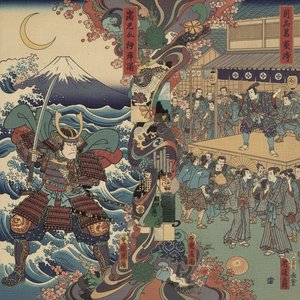
Hoashi Kyōu: A Pioneer of Nihonga Landscape Painting
Hoashi Kyōu (帆足杏雨), born in 1810 in Bingo no Kuni (present-day Oita Prefecture), Japan, stands as a pivotal figure in the late Edo and early Meiji eras—a period marked by dramatic shifts in Japanese art and culture. His artistic legacy resides primarily within the Nihonga movement, a reaction against Western Impressionism that championed traditional Japanese aesthetics and techniques. Kyōu’s life was dedicated to mastering these traditions, ultimately establishing himself as one of its most respected practitioners.
Early Training and Influences: The Legacy of Nan-ga
Kyōu's artistic journey began under the tutelage of Chikuden Tanomura and Syunnkin Uragami, masters of Nan-ga (南画), a style deeply rooted in Chinese literati painting. This influence instilled in him a profound appreciation for calligraphy, landscape composition, and the subtle nuances of tonal color—elements that would characterize his distinctive visual language. The Nan-ga tradition emphasized introspection and spiritual contemplation alongside meticulous observation of nature, mirroring Confucian ideals prevalent during the Edo period. Kyōu’s exposure to these principles shaped his artistic sensibility and provided him with a foundational understanding of Japanese art history.
The Nihonga Movement: Embracing Tradition Amidst Change
As Japan opened its doors to Western influence in 1868 with the Meiji Restoration, the Nihonga movement emerged as a concerted effort to preserve Japanese cultural identity. Artists like Kyōu deliberately rejected the flamboyant brushstrokes and vibrant palettes of Yōga (洋画), opting instead for muted tones and simplified forms—a stylistic choice that prioritized conveying emotion and capturing the essence of the natural world rather than photographic realism. This deliberate rejection wasn’t merely aesthetic; it represented a broader philosophical stance against Western materialism and championed the values of harmony, balance, and reverence for beauty inherent in Japanese culture. Kyōu's landscapes frequently depicted serene mountain vistas and bamboo groves—subjects that resonated deeply with the spiritual sensibilities of his time.
Notable Works and Artistic Style
Kyōu’s oeuvre showcases a remarkable sensitivity to detail and an unwavering commitment to capturing atmospheric conditions. His paintings, such as “Ink Plum and Bamboo” (Matsumoto Shoeido), exemplify this approach, utilizing delicate brushstrokes and subtle gradations of color to evoke the tranquility and grandeur of Japanese landscapes. Similarly, "Boating Scene with Poem" (Minneapolis Institute of Art) demonstrates Kyōu’s ability to infuse his compositions with symbolic meaning—a hallmark of Nihonga aesthetics. He skillfully employed techniques honed from generations of Chinese literati painters, prioritizing expressive brushwork and tonal harmony above all else. His works are characterized by a profound connection to the natural world and convey a sense of contemplative beauty that continues to captivate viewers today.
Legacy and Influence: Shaping Japanese Landscape Painting
Hoashi Kyōu’s contribution to Nihonga is undeniable—he helped solidify its stylistic conventions and elevated it to new heights of artistic achievement. His influence extended beyond his own paintings; he mentored younger artists who carried forward the traditions he championed, ensuring that Nan-ga's spirit persisted into the 20th century. Furthermore, Kyōu’s work aligns with the broader Bunjinga movement (文人画), which drew inspiration from Chinese literati painting and calligraphy—a stylistic convergence that underscores the interconnectedness of Japanese and Chinese artistic traditions. Ultimately, Hoashi Kyōu remains a testament to the enduring power of tradition in confronting modernity and shaping the visual landscape of Japan’s formative years.