Early Life and Artistic Foundations
Ferdinand Andri’s artistic journey began in the heart of Austria, specifically in Waidhofen an der Ybbs, a charming town steeped in tradition. Born in 1871, he was the son of a gilder, an occupation that subtly yet profoundly shaped his nascent aesthetic sensibilities from a very young age. This early exposure to the meticulous craft of applying paint and creating decorative effects instilled within him a deep appreciation for detail, texture, and the transformative power of visual artistry. From his earliest years, Ferdinand demonstrated a remarkable aptitude for visual expression—a natural inclination that led him to an apprenticeship with Johann Kepplinger, a skilled woodcarver and altar builder in Ottensheim near Linz at the tender age of thirteen. This formative period proved invaluable; it provided him with hands-on experience in three-dimensional form, honing his skills in sculpting, carving, and assembling intricate structures—a foundation that would later inform his approach to painting and sculpture. He continued his artistic education at the Staatsgewerbeschule in Innsbruck, a vocational school focused on practical arts and design, before ultimately making his way to Vienna’s prestigious Academy of Fine Arts in 1886. There, he immersed himself in the rigorous training offered by luminaries such as Julius Victor Berger, Eduard von Lichtenfels, and August Eisenmenger—masters who instilled within him both traditional techniques and a burgeoning awareness of the possibilities inherent in modern artistic expression. Crucially, Andri’s education wasn't confined to the studio walls; he embarked on extensive travels throughout Italy, France, England, and North America, seeking inspiration from diverse cultural landscapes and artistic styles. These journeys broadened his horizons immeasurably, exposing him to a wealth of influences that would subtly yet significantly shape his own evolving artistic vision—a testament to his intellectual curiosity and desire for continuous growth. A pivotal moment in his personal life arrived in 1897 with his marriage to Charlotte Hampel, a painter herself—eight years his senior—a union that fostered a stimulating creative exchange and undoubtedly enriched his artistic perspective.Embracing Modernity: The Vienna Secession
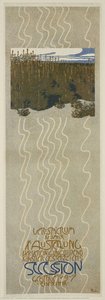
The late 19th and early 20th centuries in Austria were characterized by a fervent spirit of artistic rebellion, and Ferdinand Andri found himself at the very heart of this movement as an active member of the Vienna Secession from 1899 to 1909. This audacious group of artists bravely challenged the conservative norms that had long dominated the established art academies, seeking new forms of expression that reflected the rapidly changing social and cultural landscape. Andri wasn’t merely a passive participant; he rose through the ranks, eventually serving as president of the Secession from 1905 to 1906—a position of considerable influence and responsibility. His leadership demonstrated his commitment to the group's radical ideals and his willingness to champion innovative artistic approaches. The Secession’s core mission was to break free from academic constraints and explore uncharted territories in art, rejecting the rigid conventions of the traditional art schools. Andri played a key role in this endeavor, actively contributing to *Ver Sacrum*, the Secession’s influential Art Nouveau magazine—a platform that showcased the group's groundbreaking work and disseminated their artistic philosophy to a wider audience. *Ver Sacrum* wasn’t just a publication; it was a manifesto of modern art, embracing new techniques, subjects, and aesthetics. Andri’s involvement in *Ver Sacrum* highlights his willingness to experiment with diverse media—including graphic design, illustration, and typography—demonstrating the Secession's holistic vision of art as encompassing all aspects of visual culture. During this period, Andri exhibited remarkable versatility, working across multiple disciplines while maintaining a consistent focus on craftsmanship, elegance, and a deep connection to Austrian identity. This multifaceted approach reflected the Secession’s belief that art should be both aesthetically pleasing and socially relevant—a principle that guided Andri's artistic practice throughout his career.War and Remembrance: A Painter of Conflict
The outbreak of World War I dramatically altered Ferdinand Andri’s artistic trajectory, forcing him to confront the brutal realities of conflict through his art. From 1915 onward, he served as a war painter for the Imperial and Royal War Press Headquarters, tasked with documenting the harrowing experiences of soldiers on the front lines—a role that demanded both artistic skill and unflinching honesty. This assignment took him to some of the most desolate and dangerous landscapes of Europe—Belgrade, Montenegro, Albania, and the rugged Dolomites—where he meticulously captured scenes of devastation, heroism, and human suffering. Andri’s war paintings weren't simply glorified depictions of battle; they were poignant reflections on the psychological and emotional toll of war—a testament to his ability to convey complex emotions through visual imagery. He skillfully blended artistic talent with meticulous observation, creating works that offered a powerful and often unsettling glimpse into the realities of armed conflict. Beyond his direct documentation of battles, Andri channeled his artistic energies into supporting the home front, designing impactful posters for organizations like the Children’s Relief Fund and wartime exhibitions—a crucial effort to raise awareness about the war's impact and encourage public support. These posters served as potent appeals to empathy and compassion, utilizing the graphic art skills he had honed during his time with the Vienna Secession to convey urgent messages of hope and resilience.Later Years, Legacy, and Artistic Significance
Following the conclusion of World War I in 1918, Ferdinand Andri sought a stable teaching position at the Vienna Academy, ultimately securing a coveted role that allowed him to share his knowledge and experience with a new generation of artists. He relocated to St. Pölten, where he remained until 1939, continuing to mentor aspiring painters and sculptors. Despite facing significant challenges during this period—including the rise of Nazism and the subsequent suppression of modern art—Andri persevered in his artistic pursuits, producing a body of work that remains both deeply personal and profoundly resonant. In 1950, as a final act of generosity, he donated all remaining works from his possession to the city of St. Pölten, establishing the Ferdinand Andri Museum—a lasting tribute to his artistic legacy and a testament to his commitment to preserving Austrian cultural heritage. Ferdinand Andri passed away in Vienna on May 19, 1956, leaving behind a rich and multifaceted body of work that continues to captivate audiences today. His paintings are now housed in prestigious collections across Austria—including the Österreichische Galerie Belvedere in Vienna, the Lentos Kunstmuseum Linz, and the Museum Niederösterreich—ensuring that his artistic vision will continue to inspire and resonate for generations to come. Andri’s art stands as a powerful reminder of the enduring capacity of creativity to reflect, challenge, and ultimately transcend the complexities of its time.Style and Influences
- Art Nouveau’s Embrace: Andri's early work clearly bears the imprint of Art Nouveau principles, evident in its decorative flourishes and emphasis on organic forms—a style that resonated with the Secession’s rejection of academic rigidity.
- Vienna Secession Ideals: As a committed member of the Vienna Secession, Andri wholeheartedly embraced their pursuit of artistic innovation and their challenge to conventional aesthetic norms. This influence is visible in his willingness to experiment with new techniques and subject matter.
- Landscapes and Genre Painting: He became particularly renowned for his landscape and genre paintings that beautifully captured the essence of life and traditions among Lower Austrian farmers, offering a poignant glimpse into rural existence.
- Documenting War’s Reality: His war paintings stand apart as a unique artistic response to conflict, skillfully blending artistic talent with meticulous documentary observation—a testament to his ability to find beauty and meaning even in the midst of devastation.
- An Evolving Style: Throughout his career, Andri’s style underwent subtle but significant transformations. However, he consistently demonstrated a deep commitment to craftsmanship, elegance, and a profound connection to Austrian culture—qualities that define his enduring artistic legacy.