GRATIS KUNSTADVIES

x

1851 - 1932

Kerngegevens

  • Born: 1851, United Kingdom
  • Also known as: John Alfred Wheeler
  • Copyright status: Public domain
  • Nationality: United Kingdom
  • Works on APS: 8
  • Meer…
  • Art period: 19th Century
  • Top-ranked work: 'the Abbot Of St Mark'
  • Lifespan: 81 years
  • Died: 1932
  • Top 3 works:
    • 'the Abbot Of St Mark'
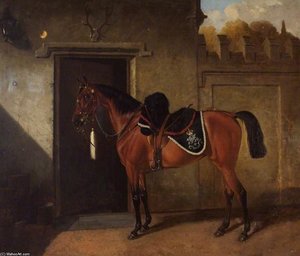
    • 'time Keeper', The Charger Of W. H. Kennedy-erskine
    • Coach And Four Horses

Kunstquiz

Er is slechts één correct antwoord op elke vraag.

Vraag 1:
Alfred Wheeler was born near which city?
Vraag 2:
What subject matter is Alfred Wheeler primarily known for painting?
Vraag 3:
Alfred Wheeler's paintings are characterized by their...
Vraag 4:
Which artistic movement significantly influenced Wheeler's work?
Vraag 5:
What is one of Alfred Wheeler’s notable artworks?

A Life Immersed in the Victorian Countryside: The World of Alfred Wheeler

Alfred Wheeler, born near Bath, Somerset, in 1851 or 1852, was a painter deeply rooted in the traditions of British landscape and animal painting. His life unfolded against the backdrop of a rapidly changing England, yet his artistic vision remained steadfastly focused on capturing the beauty and tranquility of rural scenes—a world increasingly threatened by industrialization and urbanization. Wheeler wasn’t merely documenting a way of life; he was preserving an emotional connection to the land, a sentiment that resonated deeply with Victorian audiences. His father, John Alfred Wheeler (1821-1877), was also a successful painter of similar subjects, and it is widely believed that Alfred received his initial artistic training under his guidance. This familial influence proved pivotal in shaping not only his technical skills but also his thematic preferences. The two Wheelers often worked closely together, leading to occasional confusion regarding attribution—a testament to the shared aesthetic sensibility within their family workshop.

The Art of Observation: Technique and Style

Wheeler’s paintings are characterized by a remarkable degree of realism, reflecting the prevailing artistic standards of the Victorian era. He possessed an exceptional eye for detail, meticulously rendering textures, light, and shadow to create scenes that felt both authentic and emotionally evocative. While he exhibited at venues like the Royal Academy, his primary livelihood stemmed from commissioned works—portraits of horses and dogs belonging to the gentry. This demand speaks volumes about his ability to capture not just the physical likeness of his subjects but also their character and spirit. He was particularly adept at portraying equine anatomy with precision and grace, a skill honed through careful observation and study. Often working in oil on canvas, Wheeler’s palette favored earthy tones—rich browns, greens, and grays—that evoked the natural world he so admired. His compositions were typically balanced and harmonious, creating a sense of calm and serenity that appealed to a clientele seeking representations of their cherished possessions and pastoral ideals.

Themes of Sport and Society: A Glimpse into Victorian Life

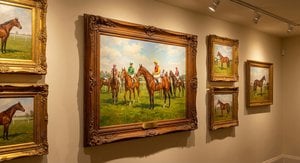
Wheeler’s subject matter provides a fascinating window into the social fabric of Victorian England. His paintings frequently depict scenes of hunting—fox hunts, horse racing, and equestrian pursuits—activities that were central to the lives of the landed aristocracy. These works weren't simply celebrations of sport; they also served as subtle commentaries on class, status, and leisure. The gentry featured prominently in his compositions, often portrayed with an air of confidence and authority, while their horses were depicted as symbols of wealth, power, and refinement. Beyond sporting scenes, Wheeler also painted intimate portraits of animals—particularly dogs—revealing a genuine affection for the creatures he depicted. These works offer a more personal glimpse into his artistic sensibilities, showcasing his ability to capture the playful energy and loyal companionship that characterized the human-animal bond.

Legacy and Influence: Preserving a Vanishing World

Although Wheeler’s output may not have been as prolific as some of his contemporaries, his paintings remain highly sought after by collectors today. His works are valued for their technical skill, historical significance, and emotional resonance. They offer a glimpse into a bygone era—a time when the countryside was still largely untouched by industrialization and when sporting pursuits were central to the lives of the upper classes. Museums like The Munnings Art Museum hold examples of his work, ensuring that his legacy continues to inspire and captivate audiences. While he drew inspiration from earlier masters such as George Stubbs, Wheeler developed a distinctive style that set him apart—a blend of realism, emotional depth, and meticulous attention to detail. His paintings serve as enduring reminders of the beauty and tranquility of Victorian England, preserving a vanishing world for generations to come.