
1
in the studio
Ranku tapyta aliejaus reprodukcija nuo $224 37 × 27 cm
Pusė kaip originalo $459 101 × 80 cm Užsakyti originalų dydį →

in the studio (1868) yra garsiausias Alfons Spring paveikslas. A Cleaning Day (1900) ir Interior of a Farmhouse (1869) yra kitos dvi labiausiai žinomos pasaulyje kūrybosios darbai. Iš 5 Alfons Spring darbų mūsų kataloge – štai 4 dažniausiai analizuojami kolekcionerių bei lankytojų muziejų, su informacija apie metus, muziejų bei kiekvieno kūrinio istoriją.
Rango vieta nulegiama pagal mūsų populiarumumo balas, kurią sudaro kiekvieno kūrinio paieškos, apsilankėjimai ir užsakėjimai. Atnaujinta lapkritis 2026. Kiekvieną šio puslapio šedevrą galite užsisakyti kaip muziejoriaus kokybės rankų darbo alievinę reprodukciją arba aukščiausios kokybės meninį spausdiną jūsų pasirinktu dydžiu.


2 muziejai, kuriuose saugoma daugiausia šioje pusėje esamų paveikslų.
| Muzejaus | Miestas | Alfons Spring darbai | Šiojo sąrašo paveikslai |
|---|---|---|---|
 Bavarijos valstybinės paveikslų kolekcijos |
Miunchas | 2 | A Cleaning Day, Kitchen Interior in Ladis |
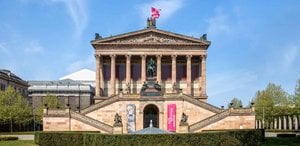 Alte Nationalgalerie |
Berlinas | 1 | Interior of a Farmhouse |


in the studio (1868). Toliau eina A Cleaning Day (1900) ir Interior of a Farmhouse (1869).
25 metų amžiaus: in the studio sukurta 1868 m. ir Alfons Spring gimė 1843.
Mūsų kataloge yra 5 Alfons Spring darbų, datuojamų nuo 1868 iki 1900.
Dauguma jų yra Bavarijos valstybinės paveikslų kolekcijos (Miunchas) ir Alte Nationalgalerie (Berlinas). Viršuje esančiame lange muziejai išvardyti po vieni.
1860s laikotarpyje: 2 iš 4 šioje pusėje esančių darbų sukurtos tada, iš jų – in the studio.
Pirmasis šioje pusėje yra in the studio (1868), paskutinis – A Cleaning Day (1900).
A Cleaning Day ir Kitchen Interior in Ladis yra vieni iš 2 šioje puslapyje esamų darbų, kuriuos saugo Bavarijos valstybinės paveikslų kolekcijos, Miunchas.
Taip. Kiekvieną šioje pusėje esantį paveikslą galite užsakyti kaip muziejoriaus kokybės rankų darbų alievinę kopiją arba aukščiausios kokybės spausdinį pasirinktu jūsų pageidaujamu dydžiu tiesiai iš paties paveikslą puslapio.
In the tapestry of late nineteenth-century European art, certain names whisper of a profound, quiet intimacy that transcends the mere application of pigment to canvas. Alfons Spring, a German painter born in 1843, belonged to this delicate tradition. His life, spanning from the mid-nineteenth century until his passing in 1908, was defined by an observant eye and a devotion to the subtle narratives found within domestic and natural settings. While he may not have sought the thunderous acclaim of the avant-garde movements that were beginning to reshape the continent, Spring’s work remains a testament to the enduring power of genre painting and the evocative strength of the singular, captured moment.
Spring's artistic journey was rooted in the rich traditions of German painting, a lineage that valued meticulous detail and a deep connection to the subject matter. His ability to breathe life into the inanimate—to find a soul within a birdcage or a story within the folds of a hat—suggests an artist deeply attuned to the textures of everyday existence. There is a certain melancholy beauty present in his compositions, where light and shadow dance across scenes of quiet contemplation, inviting the viewer to linger on the small, often overlooked details of life.
The oeuvre of Alfons Spring is characterized by its remarkable ability to transform simple subjects into profound emotional landscapes. His works often revolve around themes of companionship, solitude, and the passage of time. In pieces such as Ein gefiederter Freund (A Feathered Friend), one perceives a tender preoccupation with the natural world and the delicate relationships between living creatures. This fascination with the small-scale wonders of life is a recurring motif that lends his work an intimate, almost voyeuristic quality, as if we are peering into a private corner of a forgotten era.
Beyond the natural world, Spring explored the human condition through genre scenes that capture moments of quiet drama or domestic stillness. His paintings often feature:
Technically, Spring’s work demonstrates a sophisticated command of light. He utilized illumination not merely to define form, but to direct the emotional temperature of the painting. A soft glow might suggest the warmth of a peaceful afternoon, while deeper, more encroaching shadows can instill a sense of mystery or even a gentle, poignant sadness. This mastery of chiaroscuro allows his compositions to possess a three-dimensional depth that pulls the spectator into the very heart of the scene.
Though the historical record of Alfons Spring’s life remains as focused and contained as his paintings, his significance lies in his contribution to the tradition of observational realism. He did not seek to reinvent the world, but rather to honor it through a lens of profound empathy. In an age of rapid industrialization and shifting social structures, Spring’s art provided a sanctuary for the enduring and the intimate.
Today, his works serve as vital windows into the aesthetic sensibilities of the late 1800s. He remains a painter of the quiet pulse of life, reminding us that there is immense artistry to be found in the stillness of an attic, the presence of a companion, or the simple, haunting beauty of a single feather. His legacy is one of perceptive grace, ensuring that the small, meaningful moments of the past continue to resonate with contemporary hearts.