A Portrait of Inner Turmoil: Examining Egon Schiele’s Untitled (1872)
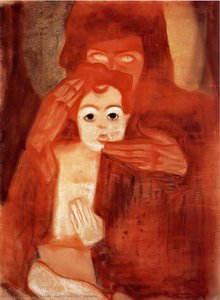
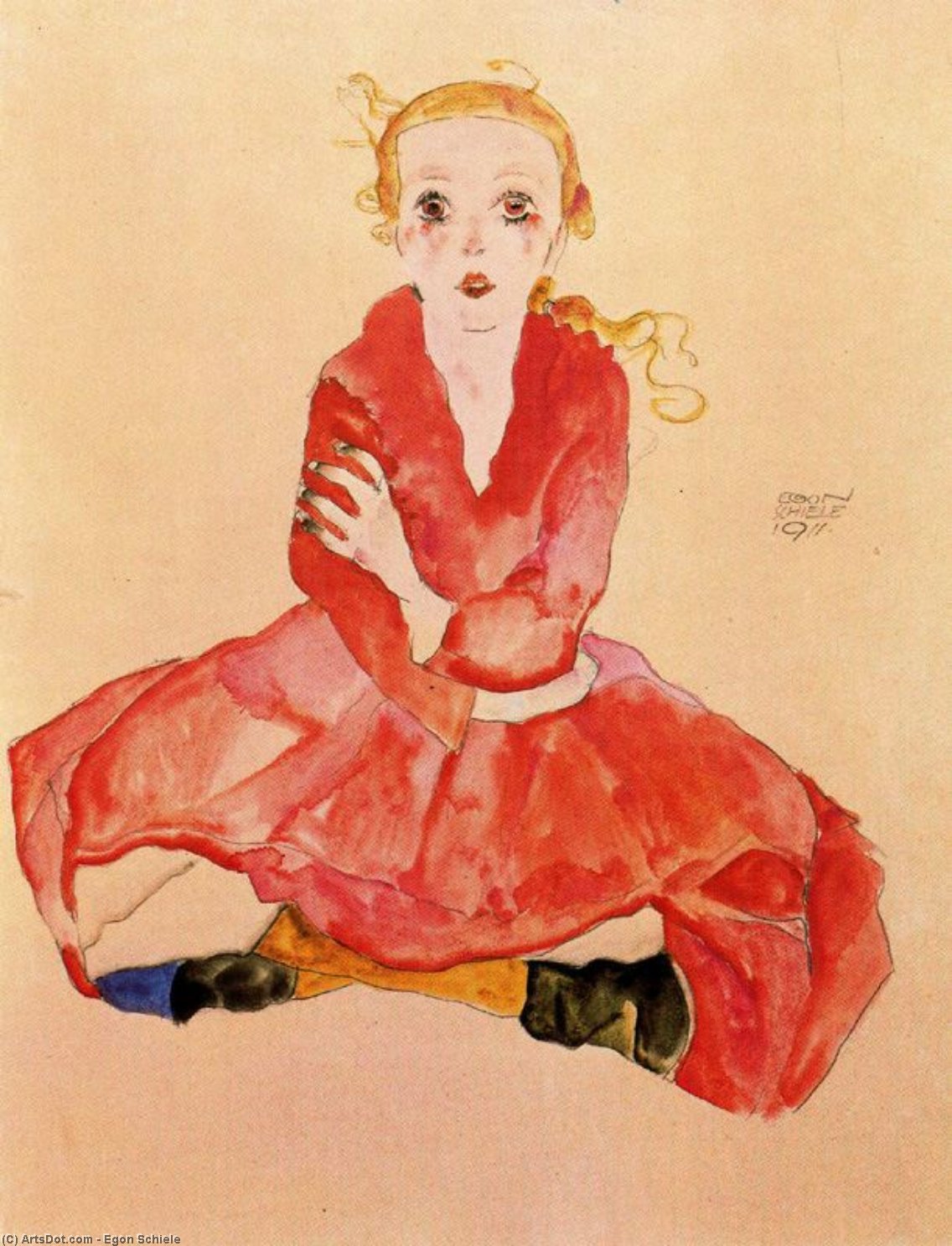
Egon Schiele's "untitled (1872)" stands as a haunting testament to the anxieties and psychological complexities characteristic of Expressionism, capturing a moment frozen in time yet brimming with unspoken emotion. Painted during his formative years—a period profoundly shaped by personal tragedy and artistic experimentation—this enigmatic portrait transcends mere representation; it delves into the depths of human consciousness. The image depicts a woman seated on the ground, her legs crossed in a posture that conveys both vulnerability and defiance. Her gaze is averted, suggesting introspection rather than outward engagement, furthering the impression of profound inner contemplation.
- Subject Matter: The figure embodies a solitary female form—a recurring motif in Schiele’s oeuvre—representing themes of isolation, femininity, and perhaps even repressed desire.
- Style & Technique: Employing bold lines and flattened planes—hallmarks of Expressionist painting—Schiele eschews traditional illusionistic rendering to prioritize conveying emotional intensity. The artist utilizes a palette dominated by reds, creating a dramatic visual impact that amplifies the sense of unease and urgency.
Historical Context: The Shadow of Trauma
Schiele’s artistic output was inextricably linked to his own turbulent life experiences. Following the untimely death of his father due to syphilis—a devastating event that instilled in him a lifelong preoccupation with mortality—the artist wrestled with grief, illness, and existential questioning. This biographical context informs “untitled (1872),” imbuing it with an aura of melancholy and hinting at the pervasive influence of trauma on artistic creation. The painting emerged during a time when Expressionist artists sought to confront uncomfortable truths about human psychology and societal anxieties—a reaction against the optimism of preceding eras.
Symbolism: The woman’s posture, combined with the muted color scheme, speaks volumes about psychological states. Crossed legs can symbolize defensiveness or vulnerability, while the averted gaze represents a retreat from external stimuli – an attempt to grapple with internal struggles. The red hue—often associated with passion and danger—further underscores the painting's emotional resonance.
Emotional Impact: A Window into Schiele’s Soul
“untitled (1872)” isn’t merely a depiction of a woman; it’s a conduit for accessing Schiele’s innermost feelings. The artist’s masterful use of line and color compels the viewer to confront uncomfortable emotions—fear, sorrow, and perhaps even longing—mirroring the artist's own internal landscape. It remains a powerfully evocative piece that continues to fascinate audiences today, prompting reflection on themes of identity, vulnerability, and the human condition. Its enduring appeal lies in its ability to capture the essence of psychological experience with unflinching honesty.
- Interior Designer’s Note: Consider incorporating shades of red into complementary color palettes for a dramatic yet sophisticated aesthetic.
- Collector's Perspective: This artwork exemplifies Schiele’s signature style—a bold exploration of emotion and form—making it an exceptional choice for discerning collectors seeking pieces that resonate with intellectual depth.



 Pirkti atspaudą
 Pasidalinti
 Dalintis
 Išsamiau

 Atsisiųsti
 Panašūs eksponatai
 Rentgenogramą
 Automatinė diorama
 Skaityti daugiau






































 Stiklo variantas prieinamas tik pasirinkus dydį iki 110 cm